Booda Dome Litter Box Review: Live Up To The Hype?
Tired of litter tracked across your floors? You are not alone.
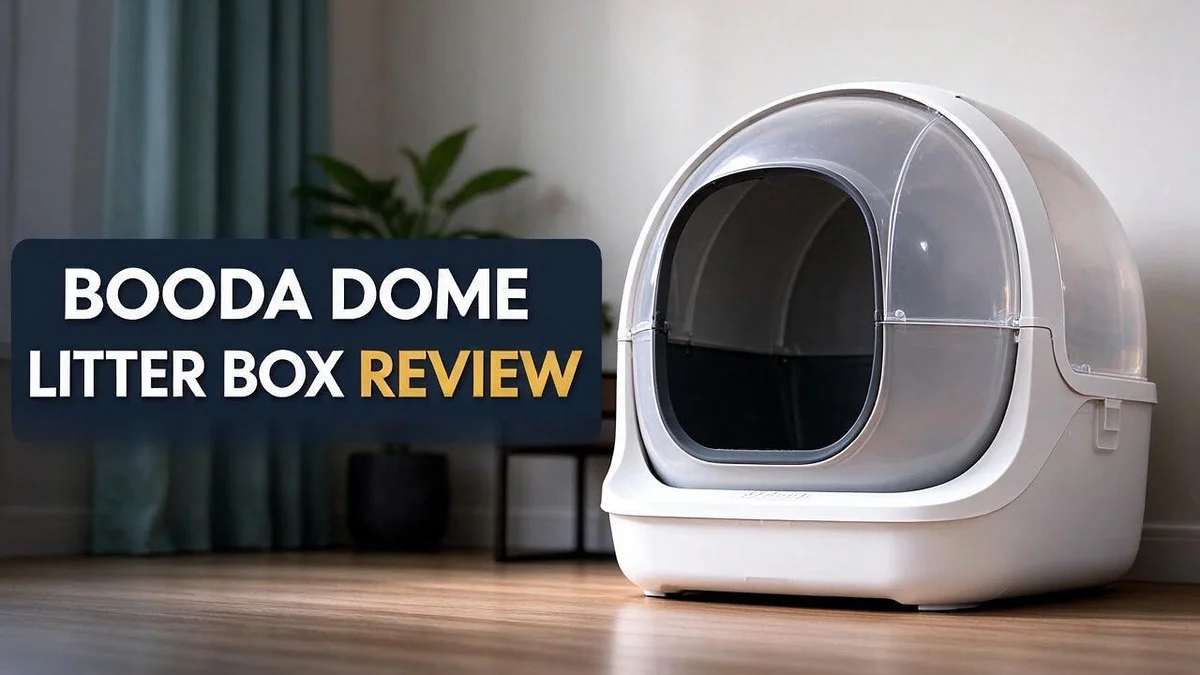
The Petmate Booda Dome Cleanstep aims to solve that problem. It has an enclosed hooded design with a step entry. The ramp catches litter from paws before your cat walks away.
Roughly 50 percent larger than the average cat box, according to the manufacturer. That extra room gives your cat space to move. The hood also adds privacy for shy cats.
Users often report far less litter on the floor. Still, one reviewer notes that a carpet in front helps catch stray granules when cats exit. Is this the right choice for your home?
This review covers the key features, real user feedback, and a few drawbacks. Keep reading to see if this dome litter box fits your cat and your home.
In a Nutshell
- Enclosed design keeps litter inside the box while your cat digs and covers its waste. This closed shape helps your cat feel secure during each visit.
- Hooded top gives your cat a private corner to use. Shy cats often feel safer in a covered box, which can make the routine calmer for nervous pets.
- Step entry ramp catches litter from paws as cats leave. Each step helps shake granules off before they land on your floor, so cleanup takes less effort.
- Titanium and Brushed finishes help the box blend into most rooms. Pick the look that matches your flooring, walls, or existing furniture.
- Igloo style fits some homes better than others. One reviewer says the shape looks more like an igloo than a dome, so check the look before you buy.
- Carpet mat recommended helps stop stray granules from scattering. A reviewer suggests placing one in front of the box for cats exiting.
Enclosed Dome Design and Build

- KEEP LITTER IN THE BOX, NOT ON THE FLOOR: Unique, patented, clean step entrance captures litter scatter...
Last update on 2026-11-24 / Affiliate links / Images from Amazon Product Advertising API
The enclosed build sets this litter box apart from open pans. The full dome shape creates a closed space for your cat. Many owners want that kind of cover in a busy home.
A closed space also changes how a cat feels inside. Some cats enjoy a quiet, covered spot. Others may feel boxed in at first, so watch their behavior closely during the first week.
Cleaning access deserves a close look too. A dome means you reach into a covered box each time you scoop. Check how easily the top opens before you commit to a model.
Size matters inside a dome. The interior needs enough room for your cat to turn around and dig. Measure your floor space first, since the larger footprint may not fit every corner.
Ventilation is another design point. Enclosed boxes can hold odors more than open pans do. Regular scooping and good room airflow help keep the area fresh.
Entry height matters for senior cats and cats with joint pain. A gentle slope or low threshold makes getting in easier. Watch how your cat climbs in during the first few visits.
The base and pan deserve attention too. A sturdy pan keeps the litter level and stops wobbling. Look for a base that feels stable when your cat steps inside.
Pan depth also affects how much litter stays put. Shallow pans may let granules roll out, while deeper ones hold more. Choose a depth that suits your cat’s digging style.
Overall, the dome build suits owners who want a contained setup. It keeps the box neat and private. Think through cleaning, size, and your cat’s comfort before deciding.
A quick look at the lid can reveal a lot. Check whether it lifts off or hinges open. A clear opening makes daily scooping faster and less awkward for busy owners.
Your home layout matters as well. Place the box in a quiet corner with easy access, away from food and water bowls. Cats prefer calm spaces when they go.
Entry Ramp and Litter Trapping
Think of the ramp as a small landing zone. Your cat pauses there before stepping onto the floor.
That short pause gives loose granules time to drop back into the box.
A stable ramp also helps cats feel steady. Many cats prefer a clear, predictable path in and out. A gentle slope lets them move without jumping or scrambling.
Some cats dislike stepping on loose litter. A clean ramp surface can make the box feel more inviting. Wipe it often so your cat keeps good footing.
Litter trapping depends on paw habits. Some cats rush out of the box. Others pause, lift each foot, and shake. Both habits affect how much litter escapes.
You can test trapping at home with a simple check. Watch your cat leave the box for a few days. Note where the granules land most often.
Ramp grooves can collect dust and tiny pieces. Corners hold litter that a quick wipe may miss. Use a small brush or handheld vacuum each week to clear them.
Check the ramp seams during setup. Loose edges let granules slip underneath, where they are hard to reach. Press every joint firmly before you add litter.
Litter choice also shapes tracking. Fine dust clings to paws more easily than larger granules. Try a few types and see which one stays in the box best.
Pay attention to changes over time. If a trail suddenly appears beyond the ramp, something may have shifted. Your cat might be stressed, or the litter level may be too low.
Small adjustments often fix the problem fast. Refill the litter to a steady depth. Clean the ramp more often for a few days and check again.
A well used ramp keeps floors cleaner day after day. It turns a common mess into a quick sweep. Your cat still enjoys its private space.
Size and Capacity for Cats
Start by measuring your cat before you judge this dome. Measure from the nose to the base of the tail. Then add a few inches so your cat can turn around comfortably.
The maker says this dome holds about 50% more space than an average cat box. That extra room helps bigger cats stretch and dig without feeling squeezed.
Big breeds need extra attention. A Maine Coon or a heavy tabby often needs more floor space than a standard pan can offer. Wide dome interiors suit these cats best.
Multi-cat homes need careful planning. A common guideline suggests one box per cat plus one extra. Shared boxes fill up faster than most owners expect.
Kittens grow quickly. A box that fits a small kitten may feel tight within a few months. Watch for signs that your cat no longer fits comfortably.
Litter depth matters too. Most cats prefer about three inches of litter. A roomy dome leaves space for that depth without crowding your cat’s body.
Watch how your cat moves inside. If it presses against the walls or hunches to turn, the box feels cramped. Calm cats use boxes that feel open.
Think about floor space, not just height. A wider footprint suits cats that circle before they squat. A narrow box may force awkward positions and messy results.
Placement affects size too. A dome that takes up too much floor can block a hallway or doorway. Measure the room before setup so the box fits the space.
Older cats may need more room to move. Stiff joints can make tight corners hard to manage. Extra space helps them settle in without strain.
Look for a dome that leaves room for your pet to grow. Tall walls give taller cats standing space. Good proportions keep the box comfortable for years.
Final tip: if your cat stays neat and relaxed, the size works well. Keep an eye on use patterns during the first few weeks. Adjust your plan if needed.
Top 3 Alternatives
Catit Hooded Litter Pan

- ODOR CONTROL: The easy access flap door seals in odors and keeps particles from spilling onto the floor...

Last update on 2026-11-24 / Affiliate links / Images from Amazon Product Advertising API
This litter box gives your cat a little privacy. The hood keeps litter inside the box and hides odors from the room. Many cats feel safer in an enclosed space, so this option works well for shy pets. The top has a flap, and the pan lifts out for quick cleaning. Scoop out waste often and wash the pan with mild soap every few weeks.
Modkat Flip Litter Box

- NO SEAMS. BETTER CONTAINMENT. The seamless one-piece base and tall protective walls help keep litter...
Last update on 2026-11-24 / Affiliate links / Images from Amazon Product Advertising API
This box is a great pick for cats that like to dig. It uses a sifting tray with a liner that lets clean litter fall through while waste stays on top. You can flip the liner and tip waste into a bag. This saves time and keeps your hands clean. Replace the liner when it gets worn, and add fresh litter as needed.
PetSafe ScoopFree Litter Box

- Health Counter: Logs how often your cat visits; an early flag for any meaningful change in routine; ships...
Last update on 2026-11-24 / Affiliate links / Images from Amazon Product Advertising API
This tray works on its own, so you do not need to scoop every day. A sifting rake moves waste into a sealed compartment. The crystal litter soaks up moisture and helps control smells. You will need to change the tray liner and refill the crystals on a set schedule. This box suits busy owners who want less daily work.
Odor Control and Routine Upkeep
Odor control matters a lot in any covered litter box. A closed top can hold smells inside.
Scoop clumps every day. Waste left behind for hours releases the strongest smells. Daily scooping keeps the air fresh.
Use a small scoop with fine holes. It lifts clumps without pulling out too much clean litter.
Pick a litter that clumps tightly. Tight clumps lift out clean and leave less residue on the pan.
Wipe the dome walls once a week. Grime on the inside can soak up odor over time.
Use mild soap and warm water for cleaning. Strong bleach or ammonia cleaners can upset cats and leave lingering fumes.
Dry every part before refilling. Damp surfaces grow bacteria fast. A dry pan keeps the box smelling clean.
Plan a full wash every few weeks. Empty all the litter, scrub the pan, and rinse well.
Keep a simple log for the first month. Note when you scoop, wash, and refill. A routine makes upkeep easy.
Watch for sudden smell changes. Stronger odors can signal health concerns. Call your vet if the smell shifts suddenly.
Store extra litter in a sealed bin. Dry, airtight storage keeps bags from smelling musty.
Wash your hands after each cleaning session. It keeps your home smelling fresh and helps prevent germs from spreading.
Keep a steady routine. Cats notice when a box smells off. Consistent cleaning helps them keep using it.
Replace all the litter when odor returns, even after scooping. Old litter holds moisture and smells, even when clumps look clean.
Keep a stash of unscented wipes nearby. Quick spot cleans handle small messes before they spread.
Cats may leave scent marks on the dome walls. A quick wipe removes these traces so your cat feels safe.
Some owners sprinkle a light layer of baking soda under the litter. Keep it light so your cat does not mind the texture.
Overall, the Booda Dome rewards simple habits. Quick daily scoops and weekly wipes keep odor low.
Pros and Cons
Pros
- The enclosed design helps contain litter scatter.
- The hooded top gives cats a sense of privacy.
- Many users notice far less litter on the floor.
- The ramp catches granules from cats’ paws as they exit.
- Finishes like Titanium and Brushed suit many home styles.
Cons
- A mat or carpet is often needed in front to catch stray granules.
- Some reviewers say it looks more like an igloo than a dome.
- Shy cats may hesitate to enter a fully hooded space.
- Color and finish options can vary, so check availability before you choose.
Who Should Buy It
The Booda Dome suits a specific kind of cat owner. It fits people who want an enclosed box with a clean look. It also works well when the litter area sits in plain view.
Renters and small apartment dwellers often find it useful. A dome sits close to a wall and fills a corner well. Owners can place it in a hallway or bathroom without blocking the walkway.
Busy owners who work long hours may appreciate this design. A covered space hides the box from guests. It also helps keep the room looking neat between visits.
Owners with a dog in the house should think twice. Dogs may dig at the ramp or nose through the entry. A determined pup can make a mess fast, so supervision helps.
Pet parents with senior cats should check mobility first. Cats with stiff joints may struggle with any high entry. A quick visit to the vet can confirm if this style fits.
Owners who want zero scooping may prefer another model. This dome still needs regular manual care. Those who want automatic self cleaning should compare options like the Petlibro Luma Smart.
Gift buyers may also consider this model. A covered box feels like a thoughtful upgrade for a new cat owner. It gives a first time cat parent a neat start.
Final buyers should set clear expectations. This model is not a fix for every litter problem. It works best when paired with a patient approach and regular checks.
Your cat’s past habits offer useful clues. If your pet already loves a quiet corner, this style may feel natural.
Those who want a clear answer should read reviews from owners with similar cats and homes. A short visit to a local pet store may help too, since staff often see many models.
Think about your home and your cat before you decide. The right fit depends on your space, your pet, and your cleaning habits. Choose the option that fits your daily life best.
Final Verdict
The Booda Dome earns a strong place on the shortlist. It solves a real problem with a simple, practical design.
Think about your cat first. A shy or senior cat may need a different entry height. A confident adult cat usually adapts within a few days.
Your home setup matters too. Pick this model if you want a tidy corner and a box that blends in with your furniture. Skip it if your dog likes to dig or nose around the entry.
Renters and small apartment dwellers can gain the most from a compact footprint. Pick a spot where you can open the hood easily for cleaning.
Competitors still have strong points. The Petlibro Luma Smart suits owners who want automatic cleaning.
The Frisco Multi Function Covered box offers a simpler build. The Tuft and Paw Cubby leans toward a stylish look.
A stainless steel XL pan with a plastic guard is another route. It suits owners who want an open box and easy pan swaps.
Compare these options side by side before you decide. Focus on the features you use daily, not the ones that sound impressive.
Test the fit in your space before you buy. Measure the corner and the door path first.
Set up your box for success on day one. Place it on a mat in front. Keep the ramp clear of clumps.
Check the entry height against your cat’s age and mobility. Watch how your cat reacts during the first week.
If your cat avoids the box, remove the hood for a few days. Then add it back slowly.
The final call comes down to your routine. The Booda Dome suits owners who accept regular manual care.
It does not replace daily scooping, but it keeps the mess close to the box. For many homes, that trade feels worth it.
If you want a covered box that feels like a thoughtful upgrade, this dome delivers. Pair it with a mat, a sealed litter bin, and a steady cleaning habit.
Your cat’s comfort should always come first. Trust your observations more than any review.
Frequently Asked Questions
Is the Booda Dome a good fit for kittens?
Kittens often learn box habits fast. A hooded design can feel safe for a young cat. Still, watch your kitten closely during the first week. Make sure it can see out and jump in easily without strain.
How often should you clean the Booda Dome?
Scoop solid waste every day. Wash the whole unit every few weeks. A regular wipe down stops odor from building up under the hood, so your home smells fresher.
Can two cats share one Booda Dome?
Yes, but space matters. The common rule is one box per cat plus one extra. Two cats may use the same box, yet a crowded box can lead to accidents. If you notice one cat avoiding it, add a second box.
What litter works best in a covered box?
Pick a low dust clumping litter. Dust collects inside a closed space and can irritate sensitive noses. Unscented options suit most cats best. Test one bag first, then decide if you want to switch.
Where should you place the Booda Dome at home?
Choose a quiet corner away from food and water bowls. Cats prefer privacy, so avoid high traffic areas. Keep the box away from loud appliances like washers too. Your cat will feel calmer and use it more often.