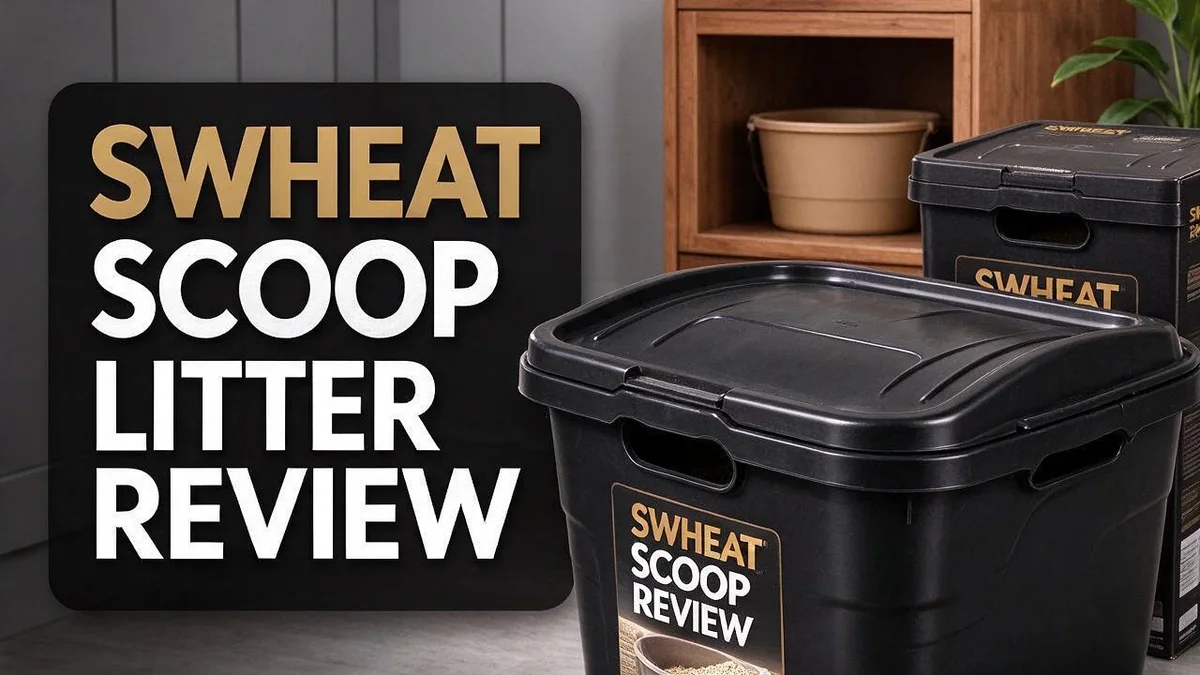
sWheat Scoop Litter Review 2026: Should You Try This?
Looking for a cat litter that keeps your home fresh? You are in the right place. sWheat Scoop is a wheat based clumping litter that many cat owners now try.
Cats can be picky. Your home needs fresh air too. This sWheat Scoop litter review looks at what really works for daily use.
Here is what stands out. The brand says its litter is 99.5% dust free. It also uses odor neutralizing enzymes and has a mild wheat bread scent.
Still, every cat is different. One owner reported weaker clumping, so we will check the facts together. Keep reading to see if this litter fits your cat and your home.
In a Nutshell
-
Wheat is the core ingredient. This litter comes from wheat instead of clay or silica. That plant base appeals to people who want a more natural option for their cats.
-
Enzymes tackle odors at the source. Built-in enzymes work to break down smells rather than just covering them up. Many owners want that extra help between cleanings.
-
A version for several cats exists. The brand also offers a option made for homes with more than one cat. Households with several litter boxes may find that helpful.
-
Clumping gets mixed reviews. One Reddit user said the litter did not clump well and switched to Scoop Away. Test it in your own box before you commit to a large bag.
-
Kittens need extra care. Scented litter is usually not advised for young kittens. Since the scent in sWheat is not confirmed as unscented, check with your vet first.
-
Flushing carries risks. Some sources warn against flushing any litter because it can damage plumbing. Always check your local rules before you flush any waste.
Clumping Performance

- sWheat Scoop Natural Wheat Multi-Cat Litter: Super absorbent, natural wheat litter designed for multi-cat...

Last update on 2026-11-24 / Affiliate links / Images from Amazon Product Advertising API
Clumping is the main test for any cat litter. Good clumps make scooping quick and keep the box fresh. This section looks at how sWheat Scoop performs in everyday use.
Most owners want clumps that stay firm when they lift them out. Weak clumps can crumble and leave small bits behind. Clump strength matters just as much as clump speed.
Plant-based litters often clump by absorbing liquid and forming a solid mass. The goal is a clump that holds its shape without falling apart during scooping.
Clump results depend on how much litter sits in the box. A layer of about two to three inches gives most cats enough room to dig. Thin layers can create weak clumps at the bottom.
Moisture in your home also plays a role. High humidity keeps any litter damp for longer. In dry rooms, clumps may harden faster. Check your home conditions before judging the results.
Scoop often to keep clumps easy to remove. Remove waste within a day or two so clumps do not grow soggy or heavy. Fresh clumps lift out cleanly from most boxes.
A simple test helps you judge clumping. Add a fresh layer, wait a few days, then scoop. Look for solid balls that lift without breaking apart. Repeat this for a week or two.
Pay attention to how your cat digs, too. Some cats dig hard and break clumps apart. Others use the box gently and leave clumps intact.
Clumping also affects tracking. Loose pieces stick to paws and spread across floors. Firm clumps usually mean less mess around the box. This benefit helps busy households most.
Overall, sWheat Scoop can form usable clumps for many owners. Results vary by home, cat, and box setup. Give the litter at least one full week before deciding. Early clumps can look different once your cat settles in.
Dust Level and Tracking
Dust can make a cat box feel messy fast. Fine particles float into the air when you pour, scoop, or refill the tray.
Pour slowly and keep the bag close to the box. A short drop height keeps the cloud small. Your space stays cleaner that way.
Cats also stir up dust while they dig. Their paws and tails push particles outward, so watch your cat during the first few uses.
Try a simple dust check. Place a dark sheet of paper beside the box for one day. Light dust shows up quickly on dark surfaces, so you can spot problem spots fast.
Dust settles on nearby furniture, floors, and even food bowls. Wiping nearby surfaces once a week keeps the area fresh.
Tracking is a different problem. Litter pieces cling to paws and fur, then land on rugs and hallways. Many owners notice these scattered bits more than the dust itself.
Granule size plays a big role here. Smaller pieces often slip between toes and stick to fur. Larger pieces usually fall off sooner.
A large mat under the box catches stray pieces. Choose a mat with a textured surface so paws shed litter before they reach the floor.
Some owners place the box in a tiled room or laundry area. Hard floors make sweeping quick and simple. Sweep the area near the box each evening, too. Small daily habits stop litter from building up in corners.
Think about people in the home too. Anyone with asthma or allergies may react more to airborne particles. Ask a doctor if breathing concerns come up.
Keep an eye on your cat as well. Sneezing, watery eyes, or coughing after box time are signs to pause and reassess.
Overall, sWheat Scoop handles dust well when you pour gently. Tracking depends more on your flooring and daily habits than on the litter alone.
Scent and Odor Control
Smell is often the first thing people notice about a litter box. Good odor control keeps your whole home feeling fresh.
The mild wheat bread scent of sWheat Scoop sits lightly in the air. It does not hide strong smells, so your daily habits matter most.
Scoop at least once a day. Waste left in the box creates the strongest odors. Remove clumps and solid waste before they have time to build up.
Box size plays a part too. A small box keeps smells close to your cat and your nose. A roomy box gives your cat space to dig and cover waste.
Litter depth matters as well. Keep the layer about two to three inches deep. This depth traps waste and holds odors inside the clumps.
Change the full box on a steady schedule. Most owners refresh the box every few weeks. Households with several cats may need changes more often.
Airflow helps odors leave the room. Place the box near a window or a fan. Avoid tight corners where air cannot move.
Seal used clumps in a bag before you toss them. A tight knot stops smells from drifting back into the house.
Check the scent during the first few days. Watch how your cat uses the box and sniff the area for any strong smell. If your cat avoids the box, try a different spot or change the litter sooner.
Sudden or strong odors can signal a health problem. If the smell gets worse fast, call your vet. Changes in urine or stool smell can point to infection.
Good habits make the biggest difference. sWheat Scoop works best when you pair it with steady cleaning. Your nose will tell you when the box needs attention.
Top 3 Alternatives
Looking for a change? These three options give cat owners clean, fresh alternatives. Each one has its own strengths. Choosing the right litter can make cleaning feel much easier. Your cat will also notice the difference in texture and scent.
World’s Best Cat Litter

- OUTSTANDING ODOR CONTROL — More cats shouldn’t mean more smells — keep your cats happy with a...
Last update on 2026-11-24 / Affiliate links / Images from Amazon Product Advertising API
Many cat owners choose this corn based litter for its strong clumping power. It forms firm clumps that scoop out easily. The formula also produces very little dust, which keeps floors cleaner. Pour a thin layer in the box to start. This helps the clumps form well and keeps waste easy to remove.
Best for: homes that want natural ingredients and simple cleanup.
Purina Yesterday’s News

- Cat Litter: No more lingering pet smell; Fresh News Recycled Paper Litter is non clumping, has almost...
Last update on 2026-11-24 / Affiliate links / Images from Amazon Product Advertising API
This litter starts with recycled newspaper pellets. The pellets absorb liquid quickly and help control odor between cleanings. Cats often adapt well to the soft, paper based texture. Many shoppers like how the pellets stay light in the box. They also make a simple choice for daily scooping routines.
Best for: owners who want a low tracking option for multi cat homes.
Feline Pine Original

- NO HARSH CHEMICALS, NO ADDED FRAGRANCE—this non-clumping cat litter is an effective odor eliminator...
Last update on 2026-11-24 / Affiliate links / Images from Amazon Product Advertising API
Pine pellets give this litter a fresh, natural scent. The pellets absorb urine fast and break down into soft, sawdust like material that is easy to sweep. Many owners appreciate its light feel and low dust. Owners should watch for tracking on the floor since pellets can break apart. A nearby mat helps keep things tidy.
Best for: people who prefer a natural wood scent and quick odor control.
Flushability and Disposal
Many owners ask if they can flush sWheat Scoop clumps. The manufacturer says the clumps are flushable. However, that claim does not mean every home plumbing system handles it well.
Flushing is discouraged by some sources for any litter. Cat waste can carry parasites like Toxoplasma, so many experts prefer trash disposal. Flushing also adds bulk that can slowly clog pipes.
Check your plumbing before you flush anything. Homes with septic tanks need extra care. Litter can build up in the tank and cause serious problems later. If you have a septic system, ask a plumber for advice first.
Older pipes with narrow bends clog more easily. Clumps can stick to pipe walls and grow into a blockage over time.
Local rules matter too. Some cities and towns ban flushing cat waste completely. Read your local waste guidelines before you choose this method.
Trash disposal is the safer choice for most homes. Place used clumps in a small bag and add it to a lidded outdoor bin. This keeps pets and wildlife away from the waste.
Wear gloves when you empty the box. Wash your hands well after handling used litter. Keep children away from the waste area until it is sealed away.
Never flush bags, liners, or paper towels used for cleanup. These items clog pipes fast. Keep the choice simple by sending everything to the trash.
Kitten owners should pay extra attention here. Kitten waste can carry more germs, and the scent of sWheat Scoop is not confirmed as unscented. Trash disposal keeps the whole household safer.
Choosing a safe disposal method protects your plumbing and your family. A short daily plan makes cleanup faster. Review your options before you start using sWheat Scoop.
Kitten and Multi-Cat Suitability
Kittens learn their litter habits fast. Their paws are small, and their noses are very sensitive. A gentle litter helps a young cat feel safe in the box.
The sWheat Scoop formula contains no dyes, perfumes, or added chemicals. That makes it a calmer starting point than many heavily scented products. Still, the mild wheat bread scent is not confirmed as unscented, so watch your kitten closely.
Scented litter is generally advised against for kittens. If your kitten sniffs the box, pauses, or avoids it, the scent may be the reason. Give it a few days of observation before you commit to a full bag.
Multi cat homes face a different challenge. Several cats produce more waste, so the clumps must hold together well. One Reddit user found the clumps did not stick firmly and switched to Scoop Away.
Strong clumping keeps a shared box clean for longer. Weak clumps break apart, and loose pieces mix into the litter. That forces you to scoop more often, which adds work for the whole household.
The product does offer a multi cat version. This option suits homes with two or more cats better than the standard formula. Check the label to confirm it matches your cat count.
A helpful rule is one box per cat, plus one extra. This setup works even when the litter clumps well. Each cat gets its own space, which lowers stress and reduces territorial fights.
Watch how each cat reacts during the first week. Some cats adapt quickly, while others need more time. If a cat keeps avoiding the box, switch back to the old litter and talk with your vet.
In short, sWheat suits many kitten and multi cat homes. Clumping performance is the key test. Keep a close eye on your cats, and adjust as needed.
Pros and Cons
Pros
- Low dust keeps the air cleaner during scooping.
- Odor neutralizing enzymes work on smells at the source.
- The formula uses Noble Ion Technology, according to the maker.
- Each bag is lightweight and easy to carry.
- Cats generally accept it readily, per the manufacturer.
Cons
- One Reddit user said the clumps did not hold well and switched to Scoop Away.
- Some sources discourage flushing any litter because of plumbing risks.
- The scent is not confirmed as unscented, which matters for sensitive cats.
- Scented litter is generally advised against for kittens.
Who Should Buy It
sWheat Scoop suits some cat owners better than others. Every home has different needs. Knowing your own situation helps you decide quickly.
A single cat household with a calm pet fits well. One cat makes testing easier. You can watch one litter box and see how your cat reacts.
People who prefer natural materials will feel at home here. Many shoppers want to move away from clay and mined minerals. This litter gives them a plant based option to try. Many buyers also enjoy knowing where their product comes from.
First time cat parents can also benefit from this option. Learning a new routine feels simpler with fewer variables. Start with one bag, observe your cat, and adjust from there.
Eco minded shoppers may like the material story too. Wheat is a renewable crop, so the choice aligns with greener habits.
Who should look elsewhere?
Owners with busy multi cat homes need strong clumping every day. If clumps fall apart, you will spend extra time scooping.
Shoppers who have used one brand for years may also prefer to stay put. Cats can be picky, and a sudden switch sometimes causes stress.
Households needing a guaranteed unscented product for sensitive family members should compare options carefully. Look for a clear fragrance free label before you buy.
Quick tip: Mix the new litter with the old one. Start with a small portion and increase it slowly over one week. This gradual change helps most cats adjust without fuss.
Think about your daily routine before you commit. Some people scoop every day, while others prefer a weekly deep clean. Choose the option that fits your schedule and your cat’s habits.
In short, this litter works well for relaxed households with one or two cats. It may not suit every family, but it earns a spot on many shortlists. Good planning leads to a happier cat and a cleaner home.
Final Verdict
The final verdict leans positive, but it comes with clear conditions. sWheat Scoop suits people who want a plant based option. It is a practical choice, not a magic fix.
Think of this litter as a trial, not a forever purchase. Buy one bag first and test it before buying more.
During the trial, check how firm the clumps feel each day. Note any changes in bathroom habits too. Small signs often appear early, so jot them down in a notes app.
Households with several cats should test carefully before committing. Shoppers with strict fragrance rules should read labels and reviews first.
Check the return policy before you buy. A store that accepts unused bags gives you a safety net if your cat rejects the new texture.
Think about your cat’s age and health as well. Older cats with sore joints may prefer a litter that is easy to step into and dig through.
Reviews from long term users add useful context. Read a few that mention weeks or months of use, since early excitement can fade. Look for patterns, not single complaints.
Bottom line: sWheat Scoop is a good option for calm single cat homes and eco minded shoppers. It earns a place on your list, especially if you test it first.
In the end, the best litter is the one your cat uses every day without fuss. sWheat Scoop can meet that goal for many households. Keep it on your list, and trust what you see in the box.
Frequently Asked Questions
Is sWheat Scoop really low dust?
The maker claims it is 99.5 percent dust free. Less dust means cleaner air while you scoop. This can help if your litter box sits near a bedroom or home office.
Does sWheat Scoop come in a multi cat version?
Yes, the brand offers a version made for homes with more than one cat. Check the label before you buy so you pick the right one for your household.
What should I do if my cat ignores it?
Cats can need time to adjust to a new texture. Keep the box in the same quiet spot and scoop it often. If your cat still avoids it after a week or two, try another litter or talk with your vet.
Is sWheat Scoop safe for cats with grain sensitivities?
Since the litter comes from wheat, it may not suit cats with known grain allergies. If your cat nibbles on litter, ask your vet first. Your vet can help you decide what fits your cat best.
Where can I find the full ingredient list?
Read the product label or visit the maker’s website. The full list gives you the details you need. Always check the list if someone in your home has sensitivities.