Catit Senses Food Tree Review: Does This Slow Feeder Really Work for Your Cat?
Does your cat gulp its meals and then look for trouble? You are not alone. Many cats eat too fast and get bored once the bowl is empty.
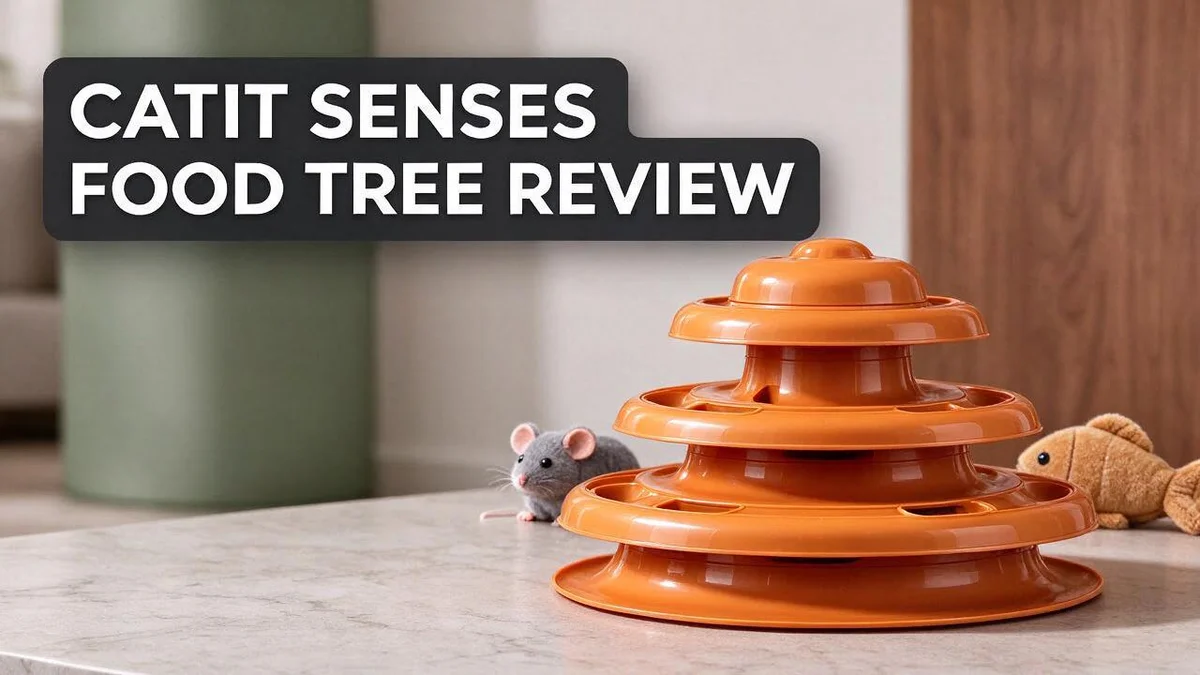
The Catit Senses 2.0 Food Tree offers a simple fix. This multilevel slow feeder makes your cat paw kibble down each level before it reaches the base. Mealtime becomes a little hunt.
Owners often say it slows eating and cuts down on boredom. It clicks together with little effort, so setup stays easy. Chewy shoppers rated it 4.1 out of 5 from 459 reviews.
Keep reading to see how it performs, who it suits best, and what to watch for.
In a Nutshell
- Multilevel design: Your cat paws kibble down each level to a wide base. This keeps the food moving, so every bite takes some effort.
- Strong ratings: Shoppers gave it 4.1 out of 5 from 459 reviews. Design, durability, and ease of cleaning all earned high marks.
- Simple assembly: The parts click together. Setup takes little time and needs no special tools.
- Stable on the floor: One reviewer said it did not tip over. That helps if your cat likes to bat at things while eating.
- Durability depends on play: One reviewer praised it only because their cat “isn’t very rough.” If your cat plays hard, the tree may wear out sooner.
- Same brand option: Catit also sells the Senses Food Maze. Owners who want a different puzzle can compare the two before choosing.
Design and Build Quality

- Fun Mealtime: With this slow feeder, your cat’s natural urge to hunt will emerge playfully and...

Last update on 2026-11-23 / Affiliate links / Images from Amazon Product Advertising API
Good design matters just as much as the food inside the bowl. The Catit Senses 2.0 Food Tree shows clear thought about how cats actually eat. Its layered shape turns mealtime into a small hunt for your cat.
Owners rate the design highly. Design earned an 86% positive score in the research. Durability reached 87%, which suggests most buyers trust the build for daily use.
Cleaning is another strong point. Ease of cleaning scored 81% positive. Owners found it easy to wipe down, so cleanup takes less time after each meal.
Effectiveness scored 84% positive, which links the design to real results. A feeder that looks good but fails to slow eating would not help much. Shoppers seem to feel the layout does its job.
Think about your cat’s habits. A cat that bats objects around may test the frame harder than others. Watch the tree during the first few meals. Look for wobbling, cracks, or loose sections.
Stability starts with the base. A wide base helps the unit stay put during busy meals. Place a rubber mat underneath if your floor is smooth. This small step prevents slides and keeps the area clean.
Floor space matters too. Place the tree on a flat surface away from the litter box. Cats often prefer clean, separate spots for eating and toileting. A quiet corner gives your cat calm time with each meal.
Pet owners with several cats should think about spacing. Place separate trees in different rooms if cats compete for food. Shared spaces can cause stress during meals. Watching each cat helps you spot early trouble.
Finally, look at the parts before first use. Wipe each piece and check the connections. This quick routine sets up good habits from day one.
Overall, the build feels sturdy for regular feeding. Most owners seem pleased with how it holds up. Still, check each part after a few weeks. Regular checks keep your cat safe and keep meals fun.
Slow-Feeding Performance
Slow feeding changes how a cat eats. Instead of gulping a full bowl in seconds, the cat must work for each bite. This slower pace gives the body more time to register fullness.
The Catit Senses 2.0 Food Tree turns that work into play. Kibble drops through several levels, so your cat must paw, nudge, and hunt. Every piece takes effort.
Many owners notice a change within the first few meals. The cat sniffs more and rushes less. It may still eat with enthusiasm, but the meal lasts longer.
Pace matters as much as portion. Slower eating can help a cat feel satisfied with its normal daily amount. Still, measure the food and check the daily total with your vet.
Research shows that one reviewer saw their cat stop gorging. That result matches what the design promises. However, every cat responds in its own way.
Some cats need a few days to understand the tree. Start with a small amount of kibble on the top level. Add more food to the lower levels once your cat learns the pattern.
Watch the bowl during the first week. If your cat seems frustrated or walks away from the food, use larger pieces of kibble. You can also fill only the top levels for a while. Patience helps most during this stage.
Some owners hope slower meals also help cats feel less rushed at mealtime. Results vary from home to home. Keep notes on eating habits so you can see real changes over time.
Durability and Play Style
Every cat has its own style. Some cats nudge bowls gently, while others swat, pounce, and bat anything within reach. That difference shapes how long any feeder lasts.
Gentle cats usually get the most life from this feeder. Calm eaters rarely push hard against the frame. Steady use keeps the clips and levels in good shape.
Rough play calls for closer checks. A cat that bats the tree around may loosen parts faster. Give the feeder a quick look each week, and tighten anything that feels wobbly.
Signs of wear include cracks, loose clips, and levels that sit unevenly. Replace worn parts early so the feeder stays stable.
Chewing is another factor. Some cats nibble plastic edges out of boredom or curiosity. If you see tooth marks, move the feeder out of reach or redirect the cat to a chew toy.
Firm kibble slides down the levels with less friction. Soft or sticky treats can gather in the grooves and make cleaning harder.
Clean routines protect the material. Wash the tree with warm water and mild dish soap. Harsh cleaners are not needed for this job.
Cat size plays a role. Larger cats may press harder on the top level when they reach in. Smaller cats usually use lighter force, so wear tends to stay low.
Play style shapes the verdict. Think about how your cat behaves at other times of day. A cat that races around the room may treat the feeder as a toy, while a calm cat sees it only as a meal station.
Return policies matter for peace of mind. Check the seller’s terms before you buy, so you can swap a part or return the tree if something breaks early.
In short, durability depends on your cat and your habits. Watch for chewing, check for loose parts, and keep the tree clean. With those steps, the feeder can serve your cat well for a long stretch.
Top 3 Alternatives
Catit Senses 2.0 Digger

- Cat slow feeder that encourages your cat to work for their dry cat food or cat treats
Last update on 2026-11-23 / Affiliate links / Images from Amazon Product Advertising API
This toy suits cats who love to dig. Kibble hides under soft balls in a tray. Your cat paws through the pieces to find each treat. It keeps busy cats entertained for longer.
PetSafe Funkitty Egg-Cited

- Enrich: Watch your cat's natural instincts come alive; unique egg shape makes it roll unpredictably for...
Last update on 2026-11-23 / Affiliate links / Images from Amazon Product Advertising API
This egg-shaped puzzle spins and rolls when your cat bats it. Treats drop out as the toy moves. The bright design catches your cat’s attention fast. It works well for cats who enjoy short bursts of play.
Outward Hound Nina Ottosson

- Dog Puzzle Toy – Level 2 Intermediate: Perfect for beginners or smart pups, this Nina Ottosson dog...
Last update on 2026-11-23 / Affiliate links / Images from Amazon Product Advertising API
This puzzle has sliding panels, lids, and hidden compartments. Your cat must figure out each step to reach the food. Many owners raise the challenge over time as their cat gets better. Note that this brand usually makes dog puzzles, so check the size and safety details before you buy for a cat.
Ease of Setup and Cleaning
Setting up the Catit Senses 2.0 Food Tree takes very little effort. The parts click together, so the build finishes quickly.
Most owners find the process easy. Each level snaps onto the base in a simple order. No special skills are needed to finish the build.
Cleaning matters just as much as assembly. Many cat owners worry about crumbs and grime building up over time. The tree offers an easy answer.
Because the levels click together, they also come apart. Pull each level off the base before washing. This gives you full access to every corner.
Crumbs often hide in the grooves between levels. Separate parts let you spot them fast. A quick look keeps the feeder fresh.
The research supports this strength. Owners rated ease of cleaning at 81% positive. That score sits close to the high design rating.
Dry every part fully before refilling. Trapped water can lead to odors and mildew. Air drying on a clean towel works well.
Tools are rarely needed for routine cleaning. A soft brush reaches tight spots near the clips. Gentle scrubbing protects the parts from wear.
Check the clips during each wash. Loose parts are easy to spot when the levels are apart. This habit helps you catch problems early.
Set a simple cleaning schedule. Pick one day each week for a deeper clean. Regular checks keep the bowl hygienic for your cat.
Cat hair and kibble dust can gather near the base. Wiping the base during each refill takes only a minute. Quick wipes keep the area tidy.
Ask a friend for a second pair of hands. Two people can lift the top levels with ease. Shared tasks make cleaning feel quicker.
Small habits make a big difference. Store spare kibble in a sealed container. Wipe spills right away so they do not dry on the surface.
Easy setup and simple cleaning add up over time. Busy owners can manage the routine without stress. Your cat gets a clean feeder every day.
Pros and Cons
Pros
- Reviewers give it a 4.1 out of 5 rating from 459 reviews.
- Design earns 86 percent positive feedback from owners.
- One reviewer said the tree did not tip over during meals.
- Mealtime becomes less boring for cats that get bored easily.
- Owners who want more challenge can try the Catit Senses Food Maze.
Cons
- Ease of cleaning has the lowest score at 81 percent positive.
- Effectiveness earns 84 percent positive, so some owners see little change.
- Cats that eat very fast may need more time to learn the levels.
- The research does not list detailed specs, so compare sizes before buying.
Who Should Buy It
This food tree suits cat owners who want a simple way to slow mealtimes. It works well for people whose cat gulps food in seconds. Fast eating can cause tummy trouble for some cats.
Owners who prefer low tech tools will feel at home here. The tree needs no batteries, no app, and no internet connection. Compared with smart feeders, it stays simple to understand. Some people just want a bowl that works without updates.
Cats that love to hunt may enjoy the challenge most. Each bite takes a little effort to reach. Many cats enjoy working for their food, especially those with a strong hunting instinct.
Busy owners may also find it helpful. Someone who works long hours may want meals that last longer. Slow feeding can stretch a small portion across more time.
Shoppers who need automatic timing should look elsewhere. The tree does not dispense food on a schedule. Automatic feeders fit that need far better. Owners who need strict portion control may also need a different tool. Those buyers may prefer a timer option instead.
Households with several cats should watch closely. The research does not show how the tree works with more than one cat. Observe each cat during meals to see which ones eat from it.
Cat lovers who enjoy watching their pets play may enjoy watching meals too. Seeing a cat work at the levels can be fun to observe. Owners who like hands on pet care may find daily feeding time more rewarding.
Ask yourself how fast your cat eats today. A fast eater will likely benefit most. A slow eater may not need the extra challenge. Your cat’s comfort matters most, so trust what you see at home.
Final Verdict
Our final verdict is positive for the right home. The Catit Senses 2.0 Food Tree earns a spot on our list for owners who want slower meals. It handles its main job well and pleases most reviewers.
Think of it as a practical tool, not a quick fix. It works best when you set it up with patience. Your cat needs time to learn the pattern.
Start small for the best results. Fill only the top level during the first few days. Add more kibble once your cat moves down the levels with confidence. This simple step builds good habits and reduces frustration.
Watch your cat closely during the first week. Notice whether they stay calm, lose interest, or swat at the levels. Their behavior tells you more than any star rating can.
Keep your expectations realistic. The tree slows eating, but it does not replace a vet visit or a balanced feeding plan. Talk to your vet if your cat has weight concerns or needs a special diet.
Your daily routine matters too. A cat that spends time near its bowl will enjoy the puzzle more. A cat left alone for long hours may still lose interest fast without extra play sessions.
Playtime pairs well with the tree. Short sessions with a wand toy give your cat energy before meals. Many owners find that a little play leads to calmer, more focused eating.
Place the tree on a flat, steady floor away from the litter box. Cats prefer calm feeding spots, and a quiet corner helps them focus on the puzzle. Shoppers who like simple tools often feel satisfied with this design. The clear layout makes it easy to understand, even for new cat owners.
The bottom line is simple. If you want a low tech way to make meals last longer, this food tree deserves a close look. If you need automatic dispensing or precise portions, choose another option.
Start your search with a clear goal. Decide what problem you want to solve, whether that is fast eating, boredom, or both. Then pick the tool that fits that goal best.
Frequently Asked Questions
Is the Catit Senses 2.0 Food Tree easy to set up?
Yes, setup is simple. The pieces click together, so you can fill it and start feeding right away. Most of the work is done in minutes.
What type of food works best in the tree?
The tree works with dry kibble. Your cat paws the pieces down through each level to reach the food. The research does not cover wet food, so check with the brand before you use it.
How well does the tree hold up over time?
Owners give durability an 87 percent positive score. One reviewer said the praise came with a catch, since their cat was not very rough. If your cat likes to bat hard at objects, watch the tree closely during the first few weeks.
What is the overall rating for this food tree?
The tree holds a 4.1 out of 5 rating from 459 reviews. Owners rate the design at 86 percent positive. Those scores show that most people feel happy with how the tree looks and works.