Angry Orange Pet Odor Eliminator Review: Does It Really Remove Pet Smells?
Every pet owner knows the struggle. You walk into a room and catch a smell you wish you did not. Lingering pet odors can ruin a home fast.
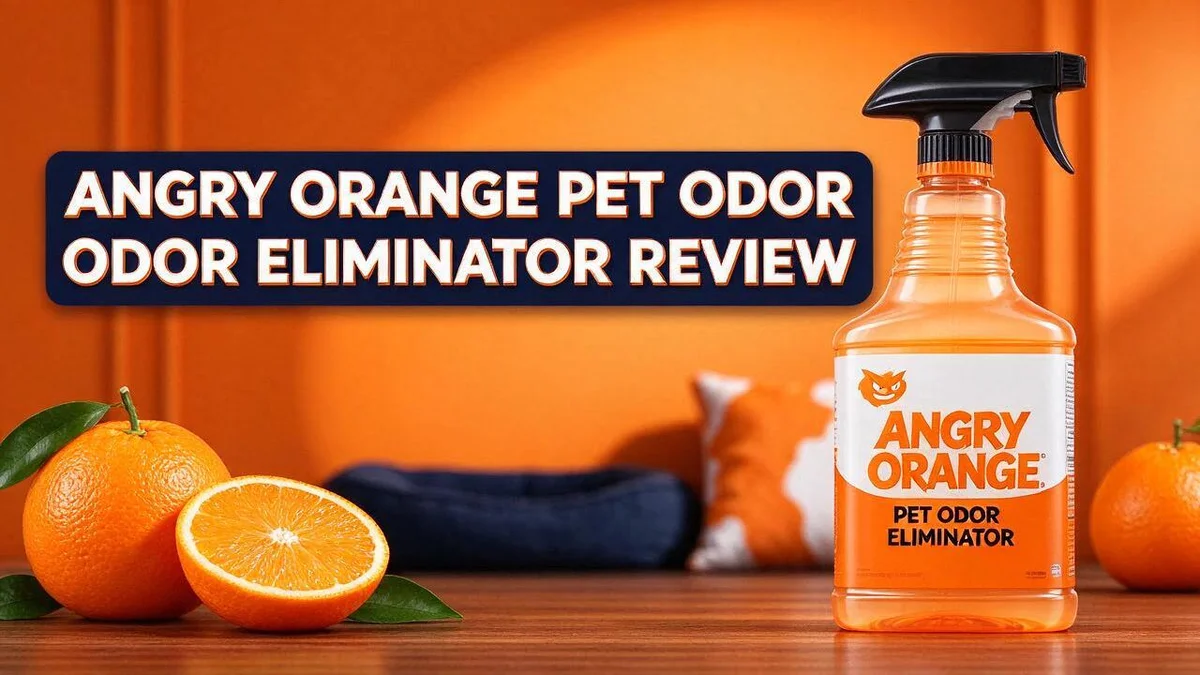
Angry Orange Pet Odor Eliminator promises a fresh fix. It is an enzyme based cleaner made from orange peels. Many people use it on stains and smells in carpets, floors, and bedding.
Here is the good news. One 8 oz concentrate makes 1 gallon of cleaner. The formula is also free from the top allergens and gluten.
Still, you want the full story. Some users love the citrus scent but say it fades quickly. Others notice a strong ammonia smell before cleaning starts. Let’s see what works and what falls short.
In a Nutshell
- Enzyme power: The formula uses enzymes to break down pet odor at the source instead of masking it. Many pet owners value that direct approach.
- Natural citrus roots: Orange peels serve as the base for the formula. This gives the cleaner a natural starting point for people who like plant sourced items.
- Allergen friendly profile: SkinSafe reviewed the product as 91% free of top allergens and gluten. Households with sensitive pets or people may find this helpful.
- Two size options: Buyers can pick the standard concentrate or a larger 3.78 L industrial size. Each option suits different cleaning needs at home.
- Scent fades quickly: Some users say the citrus smell does not last long. Owners who want lasting freshness may need extra attention between cleanings.
- Mixed user reactions: Some Reddit users call the uncleaned smell noxious and ammonia like. Still, they agree it gets the job done.
Odor Removal Performance

- DESTROYS TOUGH PET ODORS – Tackles strong smells from dog and cat urine, feces, vomit, and more. Works...
Last update on 2026-11-27 / Affiliate links / Images from Amazon Product Advertising API
Odor removal is the real test for any pet cleaner. Owners want the smell gone, not hidden under a stronger scent. So how does this product hold up on real messes?
Most pet accidents soak deeper than the surface. Urine seeps into carpet padding and subfloors, where it keeps releasing odor. A cleaner needs time to reach that deeper layer.
Users say the product gets the job done. Many reviewers focus on results rather than fancy promises. That kind of feedback matters more than any label.
Fresh accidents respond best. Clean them quickly before the odor sets in. Older spots may need extra time and patience.
Results depend on how you use it. Saturate the spot fully and let the solution sit before blotting. Rushing this step often leaves odor behind.
Enzyme cleaners need moisture and contact time to work well. Wiping the area too soon can cut results short. Keep the spot damp during the dwell period, then let it air dry completely.
Blotting too hard can spread the mess. Press gently with a clean towel instead.
Test a hidden corner first. Some carpets and fabrics react differently to any cleaner. A quick check protects your flooring before you treat the main stain.
Heavy or old odors may need a second round. Stains that have set into the floor often take more than one treatment. Stay patient and repeat the process if needed.
Some owners also compare this product with Nature’s Miracle. One Reddit user says that brand’s smell lingers after use. Testing both on the same stain shows which option fits your home best.
Smell tests should happen in real conditions. Check the area the next morning and again after a few days. Wait for the spot to dry fully before judging results. Lingering smell after drying tells you more than the first whiff.
Scent Profile and Freshness
Scent matters a lot with any pet cleaner. Most people judge a product by the smell they notice first. This cleaner leans on a pleasant citrus note that can make a room feel welcoming.
Clean air should feel light, not heavy. A fresh room smells like nothing unpleasant is there. Citrus can help the space feel airy. Still, the real goal is a neutral room where no pet odor lingers.
Think about where you use it. Scent reads differently in a small bathroom than in a large living room. In a small space, citrus can feel strong for a short time. In a big room, the note spreads out and feels softer.
Pets also notice smells in their own way. Dogs and cats have far stronger noses than people do. A scent that feels mild to you may still seem strong to them. Keep the area well ventilated while it dries. Open a window or run a fan.
Freshness comes from the full process. Wiping the spot once will not finish the job. Let the cleaner dry fully, then check the area by smell. Do this in a calm room with fresh air, not right after spraying. Your nose needs a few minutes to reset.
Humidity can change how a room smells. Damp weather may bring back a faint odor as the area dries again. This does not always mean the cleaner failed. It can mean the spot needs more time or one more light pass.
Check the smell the next morning, too. Many people notice odors more in the evening after the house has been closed up all day. A quick morning sniff can show you the true result.
Your home has its own smell already. Families get used to their own odors, so they may miss a faint trace. Ask a friend or family member to smell the room too. A fresh set of noses can catch what you overlook.
The best test is a simple one. Pick one spot, clean it, and check it over several days. If the room smells clean and calm, the cleaner has done its job.
Ingredients and Safety Profile
Every good pet cleaner starts with its ingredient list. Read the label before you pour anything on the floor. This step shows what sits in the bottle and what your pet might touch.
The research offers only a short picture of this formula. Public details about the full ingredient mix stay limited. Look for clear warnings and first aid steps printed on the bottle. Those notes matter more than marketing claims. Contact the maker directly if you want a complete breakdown.
Enzymes are proteins that target organic matter like urine and feces. They break the waste into smaller parts that cleaning can lift away. The formula works on the mess itself, not on your nose.
Citrus-based products deserve extra care in homes with cats. Cats process some plant oils differently than dogs do. Ask about the exact oil source if you can. Call your vet before using any citrus cleaner near a cat.
Open a window during and after cleaning. Fresh air helps your lungs handle any strong fumes. Keep the room door open for airflow. Keep pets out of the room until the area dries completely.
Wear gloves when you mix or apply the solution. Rinse your hands with water afterward. Skin sensitivity differs from person to person, so watch for redness or itching.
Dark fabrics and wood floors can react differently to cleaners. Blot a small patch and wait for it to dry before you judge the result.
Store the concentrate on a high shelf away from children. Label any diluted bottle with the date and contents. Nobody should mistake it for a drink.
Follow the mixing directions on the label closely. Stronger is not always better. Extra concentrate can leave residue that attracts new dirt.
A safe product still needs smart use. Read the directions, test a small area first, and keep both people and pets comfortable.
Top 3 Alternatives
Pet owners who want an alternative to Angry Orange often compare a few strong options. These three cleaners are popular choices for urine, stains, and lingering smells.
Simple Solution Odor Eliminator

- PET STAIN AND ODOR REMOVER: Things can get a little messy when your pet is involved - that’s where we...

Last update on 2026-11-27 / Affiliate links / Images from Amazon Product Advertising API
Pet owners often want a cleaner that really works. This formula uses enzymes to break down the proteins in urine and other messes. It targets the source of the smell, not just the scent on top.
Many people use it on carpets, rugs, and hard floors. Always test a small hidden spot first.
Rocco & Roxie Odor Eliminator

- Certified Gentle & Safe Pet Carpet Cleaner Solution: Chlorine-free, color-safe, no hazardous propellants...
Last update on 2026-11-27 / Affiliate links / Images from Amazon Product Advertising API
Rocco & Roxie takes a gentle approach to tough messes. This cleaner also relies on enzymes to lift odors from fabric and flooring. Many dog and cat owners appreciate its gentle approach.
It works well on fresh accidents and older stains alike. Apply it, let it soak, and blot the area dry.
Nature’s Miracle Odor Remover

- SPOT STAIN & ODOR REMOVER: Begins to break down and remove stains immediately on contact.
Last update on 2026-11-27 / Affiliate links / Images from Amazon Product Advertising API
Nature’s Miracle Odor Remover is a popular choice for pet parents. It uses enzymes that break down the organic matter behind bad smells. This helps remove the odor at its root.
You can use it on carpet, bedding, and upholstery. Some people also find it handy for litter box areas. Let the area air dry fully for the best results.
Dilution and Application Guide
Getting the dilution right matters more than many people think. The 8 oz concentrate mixes into one gallon of water, so the math stays simple.
Start with a clean container. Rinse a gallon jug or bucket before you pour. Old residue can change how the mix works.
Measure the concentrate with care. Use a measuring cup or the markings on the bottle. Guessing often leads to a mix that is too weak or too strong.
Use lukewarm water for mixing. Very hot water can weaken enzymes, so avoid it. Cool tap water also works, but it may dissolve the mix more slowly.
Mix only what you need for the day. Diluted solution loses strength over time. A fresh batch usually works better than an old jug.
Pour the mix into a spray bottle for small spots. Use a bucket and a clean cloth for larger areas. Spray bottles help you control how much liquid lands on the surface.
Apply the solution gently. Light misting keeps liquid from soaking through to the pad or subfloor. Trapped moisture can hold odor deeper in the home.
Label every container clearly. Write the date and the word diluted on it. This stops anyone from mistaking it for plain water or another cleaner.
Keep a simple log of your cleaning jobs. Note the number of spots you treated and how much mix you used. This shows how fast your jug runs low.
Store the diluted mix in a cool cupboard. Keep it out of direct sunlight. Heat and light can break down the solution faster.
Strong mixes do not always work better. Extra concentrate can leave residue on floors. It can also make the room smell heavier. Stick to the label ratio for the best results.
Getting the mix right takes only a few minutes. Once you know the ratio, the process feels easy. Each batch becomes a quick routine for your home.
Surface and Fabric Compatibility
The research gives no clear list of approved surfaces. Each material reacts in its own way, so one test cannot cover everything. Many pet owners clean carpet, sofas, and hard floors in the same week, so each surface needs its own check.
Carpet and area rugs need extra attention. Thick fibers hold moisture deep down. Wet backing can lead to mildew or a sour smell that returns later. Press a dry towel on the spot after cleaning to pull out extra liquid.
Sofa cushions and pet beds need a different approach. Stitched seams and foam padding soak up liquid fast. Use a light mist instead of a heavy spray. Work from the outside edge into the center so the stain does not spread.
Tile, grout, and sealed stone need a gentle touch. Some sealers can dull over time with frequent cleaning. Rinse the area with plain water after it dries so no sticky film stays behind.
Leather and vinyl can react to citrus-based cleaners in ways that show up slowly. Wipe a hidden patch first and wait a full day. Look for gloss loss, tackiness, or faded color before you move on.
Always read the care label on fabric items first. Some labels warn against enzyme cleaners or water-based products. Press a white cloth on the damp spot to see if any dye transfers. If color comes off, stop and choose another method.
Drying time matters for every surface. Keep pets off treated carpet until it dries fully. Fans and open windows speed up drying and help the surface stay fresh without a damp feel.
Good results come from patience and small tests. Start with the least visible spot. Move to the main area only when it looks clean and unchanged.
Pros and Cons
Pros
- Users report strong results on pet odors
- The citrus scent feels fresh and pleasant
- Some users notice quick results after one use
- Made from orange peels and reviewed as gluten free
- Comes in a small concentrate and a larger industrial size
Cons
- The scent can fade quickly after cleaning
- Some users find the uncleaned smell harsh and ammonia like
- Some buyers want clearer details on the label
- Few alternatives are named, so comparisons stay limited
Who Should Buy It
Pet owners with frequent accidents often find this cleaner a helpful choice. Many users say it works well on pet odors in common spots around the house.
Busy households with a dog or a cat can also benefit. One bottle may cover several cleaning jobs, from litter areas to pet bedding corners. Keeping one product on hand makes daily cleanup feel simpler.
People who love a fresh citrus feel will likely enjoy the scent. It smells bright and clean to many people. A pleasant smell can make a pet clean up feel less like a chore.
Families who prefer plant based cleaners may also like this option. The formula comes from orange peels, which appeals to people who want simpler ingredients. Reading the label still matters, so check the full list of uses before starting.
Households with children or sensitive guests should review the label closely. Some users find the uncleaned smell strong and sharp. Opening a window during cleaning can make the space feel more comfortable for everyone.
Renters may want to think about their own space too. A small test in a hidden spot can show how the smell settles in a rental. This quick check can prevent surprises later.
Shoppers who need a long lasting fragrance may want to look elsewhere. Some buyers notice the scent fades quickly after cleaning. A stronger or longer scent may suit those people better.
Shoppers who like to compare brands side by side may want more research first. Few alternatives are named in the available information, so a quick look at other cleaners can help. Comparing ingredients, label details, and smell profiles can lead to a smarter choice.
In short, this cleaner suits pet owners who value citrus scent and plant ingredients. Those who need strong, lasting fragrance or very clear label details may prefer another option.
Final Verdict
Our final take is simple. Angry Orange gets the core job done. It handles pet odors and leaves a bright citrus scent behind.
The orange peel base appeals to people who prefer plant based cleaners. The concentrate makes one gallon from 8 oz, so one bottle can cover many cleaning sessions. That format suits steady, everyday use.
Still, the product has clear limits. The scent fades faster than some buyers expect. The uncleaned smell can also seem sharp and ammonia like before treatment.
Who should buy it? Pet owners with regular accidents will find it useful. Busy homes with a dog or a cat can use it often. Fans of fresh citrus will likely enjoy the feel of every cleaned room.
Who should skip it? Shoppers who want scent to linger all day may prefer another choice. People who want detailed label information may feel unsure. Anyone who plans to compare many brands should research first.
Our advice for new buyers: Test a small hidden spot first and check the result after a day. Older messes may need more than one round. Let the area dry fully before pets return. Keep the bottle out of reach of children.
The big picture: Angry Orange earns a solid place in the pet odor category. It works best for busy pet owners who love citrus and plant ingredients. Nature’s Miracle is the only named alternative, so compare it before you decide.
Final tip: Match the cleaner to your routine, not just the label claims. Think about your pets, your scent goals, and your cleaning habits. Then decide with confidence.
Frequently Asked Questions
Does this cleaner work on older pet stains?
Enzymes help break down the material that causes odor. Fresh accidents usually respond best. Older stains may need a second round, so be patient and repeat the process if needed.
How do I mix the concentrate?
Dilute the 8 oz concentrate in water to make about 1 gallon. Follow the label directions exactly. A stronger mix does not clean better. It can leave residue and waste product.
How does it compare with Nature’s Miracle?
Nature’s Miracle is the only alternative named in most reviews. One Reddit user says its smell lingers after use. Try both on a small test area to see which scent and results you prefer.
What if the odor comes back?
Check for hidden urine under pads, along baseboards, or in the subfloor. The cleaner works best when it reaches the source. Clean the spot again and keep the room well ventilated while it dries.