How to Clear a Green Water Algae Bloom in a Goldfish Tank?
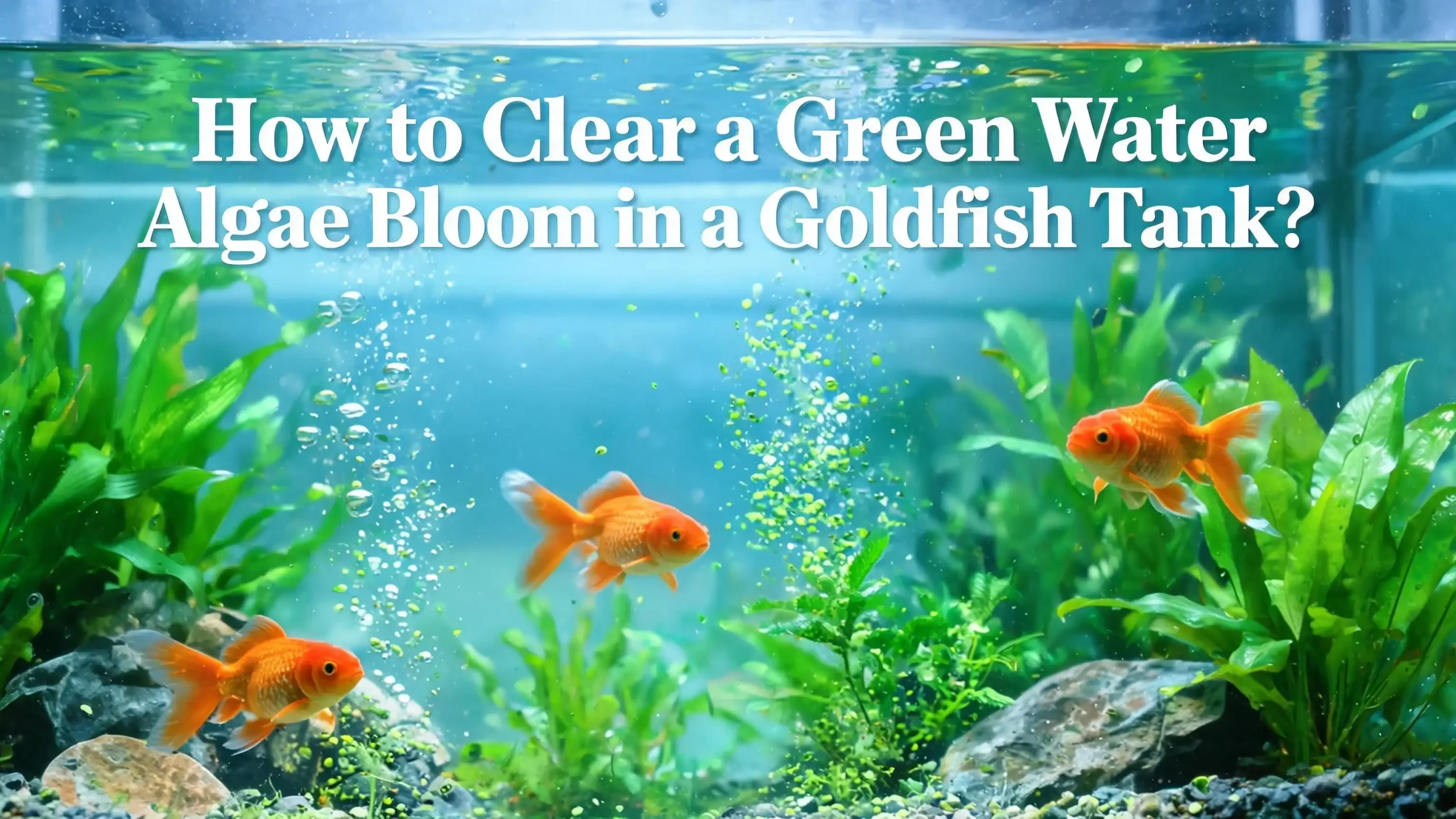
Green water happens when free floating, single celled algae called phytoplankton multiply at an explosive rate inside your tank. These microscopic organisms turn your crystal clear water into an ugly green mess within days. The good news? This problem is completely fixable. You do not need to tear down your tank or start over from scratch.
Goldfish are especially prone to green water blooms because they produce a large amount of waste. That waste creates a nutrient rich environment where algae thrive. Add in a little too much light, and you have the perfect recipe for a bloom.
This guide will walk you through every step you need to take. You will learn what causes green water, how to clear it fast, and how to prevent it from coming back. Let us dive in and get your tank back to looking its best.
Key Takeaways
- Green water is caused by microscopic algae that feed on excess nutrients and light in your goldfish tank. Goldfish are heavy waste producers, which makes their tanks especially vulnerable to algae blooms. Controlling nutrients and light is the foundation of any fix.
- A UV sterilizer is the fastest and most reliable tool for clearing green water. It kills free floating algae as water passes through the unit. Most UV sterilizers can clear a tank within two to five days of continuous use.
- The blackout method works as a free alternative. You can block all light from reaching the tank for three to seven days. This starves the algae of the light energy they need to reproduce and survive.
- Regular water changes are essential both during and after an algae bloom. Aim to change at least 20% to 30% of your tank water each week. This removes dissolved waste and excess nutrients that feed algae growth.
- Overfeeding is a major hidden cause of green water in goldfish tanks. Uneaten food breaks down into ammonia and nitrates, which act as fertilizer for algae. Feed your goldfish only what they can eat in two minutes, twice a day.
- Long term prevention requires a balanced tank. This means proper filtration, controlled lighting schedules, live plants to compete with algae for nutrients, and consistent maintenance habits. A balanced tank rarely develops green water.
What Is a Green Water Algae Bloom
A green water algae bloom is a rapid population explosion of tiny, single celled organisms called phytoplankton. These organisms are so small that you cannot see them individually. But when millions of them gather in your tank water, they turn everything a murky green color.
Unlike the algae that grow on tank walls or decorations, green water algae float freely in the water column. This is why you cannot simply scrub them away. They are suspended throughout the entire volume of water in your tank. A regular filter cannot catch them either because they are too small to be trapped by standard filter media.
Green water is not directly harmful to goldfish. The algae do not attack your fish or damage their scales. In fact, some goldfish will eat the algae as a food source. However, a severe bloom can reduce oxygen levels in the tank, especially at night when the algae stop producing oxygen and start consuming it instead.
The real problem with green water is that it signals an imbalance in your tank’s ecosystem. Something is providing too much fuel for the algae to grow. If you ignore the bloom, it will likely get worse over time. The water will become so green that you can barely see your fish, and the overall water quality will decline.
Understanding that green water is a symptom of an underlying issue is the first step. Once you know this, you can focus on fixing the root cause instead of just treating the surface problem.
Why Goldfish Tanks Are Especially Prone to Green Water
Goldfish are wonderful pets, but they are also some of the messiest fish in the hobby. A single goldfish produces significantly more waste than most tropical fish of similar size. This waste breaks down into ammonia, which bacteria convert into nitrites and then nitrates. High nitrate levels in the water act like fertilizer for algae.
Goldfish also eat a lot. They are constant grazers with big appetites, and owners often feed them more than necessary. Uneaten food sinks to the bottom and decomposes. This decomposition releases phosphates and other organic compounds into the water. These compounds are exactly what green water algae need to thrive.
Tank size plays a role too. Many goldfish owners keep their fish in tanks that are too small. A cramped tank concentrates waste in a smaller volume of water. This creates a nutrient dense environment where algae can multiply quickly. Experts recommend a minimum of 20 gallons for a single fancy goldfish and 30 gallons or more for common goldfish.
Another factor is filtration. Goldfish need powerful filtration systems because of their high waste output. A filter rated for your tank’s exact size is usually not enough. Most experienced goldfish keepers recommend a filter with a flow rate of five to ten times your tank volume per hour. A weak filter cannot keep up with the waste load, and excess nutrients build up.
All of these factors combine to make goldfish tanks a prime environment for green water blooms. Knowing this helps you target your solutions more precisely.
The Role of Light in Triggering Algae Blooms
Light is one of the two main ingredients algae need to grow. The other is nutrients. Without sufficient light, even a nutrient rich tank will not develop a green water bloom. This is why controlling your lighting is one of the most powerful tools you have against algae.
Direct sunlight is the biggest offender. If your goldfish tank sits near a window where it receives even a few hours of sun each day, you are inviting an algae bloom. Sunlight is far more intense than any aquarium light, and it provides a full spectrum of wavelengths that algae love. Moving your tank away from windows is one of the simplest and most effective steps you can take.
Aquarium lights that stay on too long also fuel algae growth. Many goldfish keepers leave their lights on for 10 to 12 hours a day, or sometimes forget to turn them off at all. For a tank without live plants, six to eight hours of light per day is more than enough. Your goldfish do not need bright lights to be healthy. They actually appreciate a regular day and night cycle.
Using a timer on your aquarium light removes the guesswork. Set it to turn on and off at the same times each day. This creates a consistent schedule that limits algae’s access to light energy. A timer costs very little and can make a dramatic difference in algae control.
If your tank is already experiencing a bloom, reducing or eliminating light exposure is one of the first things you should do. Algae cannot photosynthesize in the dark, so cutting off their light source slows their reproduction immediately.
How Overfeeding Fuels the Problem
Overfeeding is one of the most common mistakes goldfish owners make. It is also one of the leading causes of green water. When you drop too much food into the tank, your goldfish eat what they can, and the rest sinks to the bottom. That leftover food decays and releases ammonia, nitrates, and phosphates into the water.
These dissolved nutrients are the building blocks that green water algae use to reproduce. A single overfeeding session might not cause a bloom on its own. But repeated overfeeding over days and weeks creates a steady supply of nutrients that keeps algae populations growing.
The general rule is to feed your goldfish only what they can consume within two minutes. If food is still floating or sinking after two minutes, you are giving them too much. It is better to feed small amounts twice a day than one large feeding. This approach reduces waste while still keeping your fish well nourished.
Goldfish will always act hungry. They will swim to the surface and beg every time you walk by the tank. Do not let this fool you into overfeeding. Goldfish are opportunistic eaters and will consume more than they need if given the chance. This extra food passes through their digestive system quickly and adds even more waste to the water.
You should also check for food that gets trapped in decorations, plants, or gravel. Hidden food pockets break down slowly and continuously add nutrients to the water. Using a gravel vacuum during water changes helps remove this hidden debris.
Testing Your Water Parameters
Before you start treating a green water bloom, you need to understand what is happening inside your tank at a chemical level. A water test kit is essential for every goldfish owner. It gives you specific numbers that tell you exactly what is going wrong.
The most important parameters to test are ammonia, nitrite, nitrate, and phosphate. Ammonia and nitrite should always read zero in a properly cycled tank. If either is elevated, your biological filter is not working correctly, and you have a more urgent problem than green water. High ammonia can also directly trigger algae blooms because it provides a massive nutrient spike.
Nitrate levels are the key indicator for algae risk. In a goldfish tank, nitrates tend to climb quickly due to the heavy bioload. Ideal nitrate levels should stay below 20 ppm. Levels above 40 ppm create a fertile environment for algae. If your nitrates are high, more frequent water changes are the most direct solution.
Phosphate is another important nutrient to track. Phosphate enters the tank through fish food, tap water, and decaying organic matter. Elevated phosphate combined with high nitrates is a recipe for persistent green water. Some tap water naturally contains phosphate, so testing your source water helps you understand your baseline.
pH is worth monitoring too, although it does not directly cause algae blooms. Goldfish prefer a pH between 7.0 and 8.0. Sudden pH swings can stress your fish and weaken their immune system. A stable pH indicates a well buffered, healthy tank environment.
Test your water at least once a week, and always test before and after any treatment you apply to the tank.
Performing Water Changes to Reduce Nutrients
Water changes are your most basic and effective weapon against green water. By removing a portion of the old water and replacing it with clean, dechlorinated water, you physically remove dissolved nutrients that algae feed on.
During an active green water bloom, you should perform larger and more frequent water changes than usual. A 30% to 50% water change every other day can significantly reduce the concentration of nitrates, phosphates, and other algae fueling compounds. This alone will not eliminate the bloom, but it slows the algae’s growth rate and supports other treatments you apply.
Use a gravel vacuum during each water change. This tool lets you siphon debris from the substrate while draining water. Goldfish tanks accumulate a lot of waste in the gravel, and vacuuming removes hidden nutrient sources that standard water changes miss. Work the vacuum through different sections of the substrate each time so you cover the entire bottom over the course of a few changes.
Always match the temperature and pH of your new water to the existing tank water. A sudden shift in temperature or chemistry can stress your goldfish. Use a water conditioner to neutralize chlorine and chloramine in tap water before adding it to the tank.
Once the bloom clears, return to a regular schedule of 20% to 30% water changes once per week. This maintenance routine keeps nutrient levels low and prevents future blooms. Consistency is more important than doing massive, infrequent changes. A steady schedule keeps your tank chemistry stable and your goldfish healthy.
Using a UV Sterilizer for Fast Results
A UV sterilizer is the single most effective tool for clearing a green water algae bloom quickly. It works by exposing tank water to ultraviolet light as it passes through a sealed chamber. This UV light damages the DNA of free floating algae cells, which kills them and prevents them from reproducing.
Most aquarium UV sterilizers can clear green water within two to five days of continuous operation. The water passes through the unit via a pump, and the UV lamp inside does all the work. You do not need to add chemicals or make drastic changes to your tank setup.
When choosing a UV sterilizer, select one rated for your tank size. A unit that is too small will not have enough exposure time to kill the algae effectively. The flow rate through the sterilizer matters too. Slower flow gives the water more contact time with the UV light, which improves its effectiveness against algae.
Run the UV sterilizer continuously until the water is completely clear. After that, you can either remove it or continue running it at a lower schedule to prevent future blooms. Some goldfish keepers run their UV units permanently as a preventive measure. Others use them only during bloom events.
One important note: UV sterilizers can break down certain liquid fertilizers and medications in the water. If you are treating your fish with medication, turn the sterilizer off during the treatment period. Also replace the UV bulb according to the manufacturer’s guidelines, as the bulb loses its effectiveness over time even if it still appears to glow.
Trying the Blackout Method
If you do not have a UV sterilizer, the blackout method is a proven and completely free alternative. This technique works by starving the algae of all light. Without light, the algae cannot perform photosynthesis, and they die off within several days.
To perform a blackout, start with a large water change of about 50%. This removes a significant portion of the existing algae and reduces nutrient levels. Then turn off your aquarium light completely. Cover the tank with thick towels, blankets, or a black garbage bag to block out all ambient light from the room and any nearby windows.
Keep the tank in total darkness for three to seven days. Do not peek or lift the covers to check on progress. Even brief exposure to light can restart the algae’s growth cycle. Leave your filter running during the blackout so water continues to circulate and your beneficial bacteria stay active. Do not feed your goldfish during this period. Healthy goldfish can easily go a week without food and will not suffer any harm.
After the blackout period, remove the covers and perform another 30% to 50% water change. The water should be noticeably clearer. You may see dead algae settling on the bottom, which you can vacuum out.
The blackout method does have a downside. If you have live plants in the tank, they can suffer from the lack of light. Hardy plants like java fern and anubias tolerate blackouts well. More delicate species may lose some leaves. Weigh this trade off before choosing this method.
Upgrading Your Filtration System
A weak filter is a common hidden cause of recurring green water problems. Goldfish produce a heavy waste load, and your filter needs to handle all of it efficiently. If your filter cannot keep up, dissolved waste accumulates and feeds algae growth.
There are three types of filtration your tank needs: mechanical, biological, and chemical. Mechanical filtration traps solid particles like uneaten food and fish waste. Biological filtration uses beneficial bacteria to convert toxic ammonia into less harmful nitrate. Chemical filtration uses media like activated carbon to remove dissolved organic compounds from the water.
For goldfish tanks, choose a filter rated for at least double your tank volume. If you have a 40 gallon tank, use a filter rated for 80 gallons or more. This provides extra capacity to handle the heavy waste output that goldfish produce. Canister filters and hang on back filters with large media capacity work well for most goldfish setups.
Check your filter media regularly and rinse it in old tank water during water changes. Never rinse filter media under tap water because the chlorine will kill the beneficial bacteria living inside it. Replace mechanical filter pads when they become clogged, but keep biological media in place for as long as possible to maintain a healthy bacteria colony.
Adding a second filter or a sponge filter as a supplement can also help. Extra filtration means more capacity to process waste and more surface area for beneficial bacteria to colonize. This reduces the overall nutrient load in your water and makes algae blooms less likely.
Adding Live Plants to Compete With Algae
Live aquarium plants are a natural and effective way to fight green water. Plants and algae compete for the same resources: light, nitrates, phosphates, and carbon dioxide. When you fill your tank with healthy, growing plants, they absorb nutrients that would otherwise feed algae.
Fast growing plants are especially useful because they consume nutrients quickly. Hornwort, anacharis, and water sprite are excellent choices for goldfish tanks. These plants grow rapidly and are hardy enough to survive the occasional nibbling that goldfish are known for. Floating plants like duckweed and water lettuce are also effective because they shade the water surface and reduce the light that reaches the algae below.
The key to success with plants is making sure they stay healthy. Unhealthy or dying plants release nutrients back into the water, which actually makes algae problems worse. Provide your plants with adequate light, and consider adding root tabs or liquid plant food if your plants show signs of nutrient deficiency like yellowing leaves.
Be aware that goldfish do eat many types of plants. Java fern and anubias are two species that goldfish tend to leave alone because of their tough, bitter leaves. Attach these plants to rocks or driftwood rather than planting them in substrate, and they will thrive with minimal effort.
A heavily planted goldfish tank is one of the best long term defenses against green water. The plants create a natural balance that keeps algae in check without constant intervention from you.
Controlling Your Feeding Routine
Your feeding routine has a direct and powerful impact on water quality. Every pellet or flake you drop into the tank becomes a potential source of nutrients for algae if it is not fully consumed by your goldfish.
Switch to a measured feeding approach. Instead of shaking food from the container and guessing, use a small scoop or pinch a specific amount each time. Watch your goldfish eat and note how long the food lasts. If all the food disappears within two minutes, you are feeding the right amount. If food remains after two minutes, reduce the quantity at the next feeding.
Feed your goldfish twice per day rather than once. Two smaller meals produce less waste than one large meal because your fish digest smaller quantities more efficiently. This also reduces the chance of uneaten food sinking into the gravel.
Consider the type of food you offer. High quality goldfish pellets produce less waste than cheap flake foods because they are more digestible. Pellets also hold together better in water, which means less dissolved waste enters the water column. Sinking pellets are a good choice because you can easily see if any remain uneaten on the substrate.
Remove any visible uneaten food within five minutes of feeding. A small net or turkey baster works well for this task. This simple habit prevents food from decaying in your tank and contributing to the nutrient overload that causes green water.
One fasting day per week is a practice many experienced goldfish keepers follow. It gives the fish a chance to fully digest their food and gives the filter time to catch up with waste processing.
Establishing a Long Term Maintenance Schedule
Clearing a green water bloom is only half the battle. Keeping it from coming back requires a consistent maintenance routine. A regular schedule prevents the nutrient buildup that triggers future blooms.
Weekly water changes should be non negotiable. Replace 20% to 30% of your tank water every week. Use a gravel vacuum to clean the substrate at the same time. This removes solid waste, uneaten food, and decomposing plant material that contribute to elevated nutrient levels.
Clean your filter once every two to four weeks. Rinse the mechanical media in a bucket of old tank water to remove trapped debris. Check the impeller and intake tube for clogs that could reduce flow rate. A filter that runs at reduced capacity cannot keep up with your goldfish’s waste production.
Test your water parameters weekly. Track your ammonia, nitrite, nitrate, and pH levels over time. Keeping a simple log lets you spot trends before they become problems. If you notice nitrates climbing higher each week, increase the frequency or volume of your water changes.
Scrub the tank walls with an algae scrubber pad every week or two. While wall algae is different from green water algae, removing it reduces the overall algae population in your tank. Trim any dead or dying plant leaves promptly because decaying plant matter releases nutrients into the water.
A consistent routine takes only 20 to 30 minutes per week. This small time investment keeps your tank healthy, your water clear, and your goldfish thriving. Prevention is always easier than treatment.
Common Mistakes That Make Green Water Worse
Many goldfish owners accidentally make their green water problem worse by following bad advice or reacting in panic. Knowing what not to do is just as important as knowing the right steps.
One common mistake is performing a complete water change. Draining 100% of the water and refilling the tank might seem logical, but it destroys beneficial bacteria colonies and shocks your fish. It also does not address the root cause of the bloom. The algae will return within days because the conditions that caused them have not changed.
Adding algae killing chemicals as a first response is another mistake. Chemical algaecides can work temporarily, but they often kill algae so quickly that the dead cells decompose and cause an ammonia spike. This spike can harm or kill your goldfish. Chemical treatments should be a last resort, and only if other methods have failed.
Increasing aeration alone will not clear green water. While oxygen is important for your goldfish, air stones and bubblers do not remove algae from the water. Some people believe more bubbles mean cleaner water, but this is not the case with green water blooms.
Ignoring the problem is the worst mistake of all. Green water will not resolve itself if the conditions that caused it remain unchanged. Left unchecked, the bloom can grow so severe that oxygen levels drop dangerously at night, which stresses or suffocates your fish.
Cleaning the filter too aggressively during a bloom also backfires. Your biological filter bacteria are your best allies in processing waste. If you kill them by rinsing media in tap water, waste processing stops, nutrient levels spike, and the algae bloom intensifies.
When to Seek Help From a Professional
Most green water blooms can be resolved at home with the methods described in this guide. However, some situations call for professional advice from an aquarium specialist or experienced fish store staff.
If you have tried multiple methods over several weeks and the green water keeps returning, there may be an issue you are not detecting. A persistent bloom despite proper lighting, feeding, and water changes could indicate a problem with your tap water source. Some municipal water supplies contain elevated levels of phosphate or silicate that fuel algae growth. A professional can test your source water and recommend solutions like using a different water source or adding specific filtration media.
You should also seek help if your goldfish show signs of illness during a bloom. Symptoms like gasping at the surface, clamped fins, loss of appetite, or white spots suggest that water quality has deteriorated beyond what the algae bloom alone would cause. A professional can diagnose the issue and recommend appropriate treatment.
If you are new to fishkeeping and feel overwhelmed, there is no shame in asking for guidance. Local aquarium clubs, reputable fish stores, and online fishkeeping communities offer free advice from experienced hobbyists. Many problems have simple solutions that an experienced eye can spot immediately.
An aquarium maintenance service is another option for owners who do not have the time or confidence to manage their tank alone. These services handle water changes, filter maintenance, and water testing on a regular schedule. They can also set up equipment like UV sterilizers and ensure everything runs correctly.
Frequently Asked Questions
Is green water harmful to goldfish?
Green water itself is not toxic to goldfish. The algae that cause the green color are not dangerous and some goldfish actually eat them. However, a severe bloom can reduce oxygen levels in the tank during nighttime hours when the algae consume oxygen instead of producing it. Very dense blooms can also indicate poor water quality overall, which can stress your fish. The main concern is the underlying nutrient imbalance that caused the bloom in the first place. Addressing the root cause protects your goldfish’s health in the long run.
How long does it take to clear green water?
The timeline depends on the method you use. A UV sterilizer can clear green water in two to five days. The blackout method takes three to seven days of total darkness. If you rely only on water changes and nutrient control, it may take two to four weeks to see full results. Combining methods speeds up the process. For example, doing large water changes while running a UV sterilizer can clear a bloom in as little as two days.
Can I use algaecide to treat green water in a goldfish tank?
Chemical algaecides are available, but they are not recommended as a first line treatment. These products kill algae rapidly, and the dead cells decompose in the water. This decomposition can cause a sudden ammonia spike that is dangerous to your goldfish. If you do use an algaecide, follow the dosage instructions carefully and monitor your water parameters closely. Water changes and UV sterilization are safer and more reliable solutions for most goldfish tanks.
How often should I change the water in my goldfish tank?
Weekly water changes of 20% to 30% are standard for goldfish tanks under normal conditions. During an active green water bloom, increase this to 30% to 50% every other day until the bloom clears. Always use a water conditioner to neutralize chlorine and chloramine in tap water. Match the temperature of the new water to the tank water to avoid stressing your fish. Consistent weekly changes are the best long term prevention against future algae problems.
Will adding more fish help eat the green water algae?
Adding more fish to control green water is counterproductive. More fish means more waste, more feeding, and higher nutrient levels in the water. This actually makes the algae bloom worse. While some fish and invertebrates eat algae that grows on surfaces, no common aquarium fish effectively consumes free floating green water algae. The best biological solution is adding live plants, which compete with algae for nutrients without adding to the waste load.
Do I need to remove my goldfish during treatment?
In most cases, you do not need to remove your goldfish during green water treatment. UV sterilizers, water changes, and the blackout method are all safe with fish in the tank. Your goldfish can safely go without food for the duration of a blackout period. The only time you might consider temporarily relocating your fish is if you use a chemical treatment that requires a specific dosage and close monitoring. Always prioritize your fish’s safety and test water parameters throughout any treatment process.