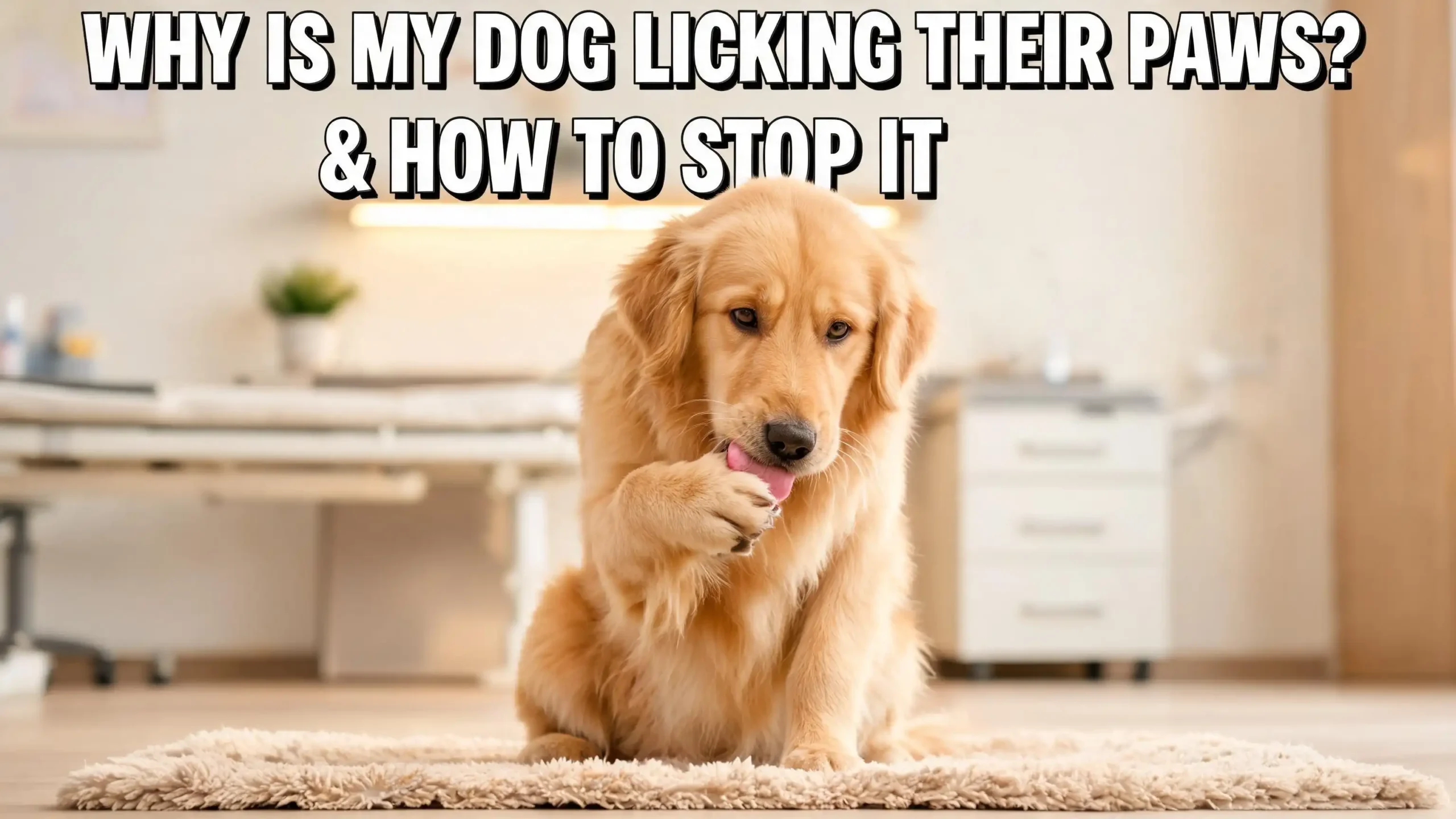
Why Is My Dog Licking Their Paws Obsessively?
You love your dog. You know every little quirk and habit they have. So when your dog starts licking their paws nonstop, day and night, you notice. Obsessive paw licking is one of the most common complaints dog owners bring up with veterinarians. It can keep your dog awake, cause raw and red skin, and make you feel helpless.
The truth is, your dog is trying to tell you something. Paw licking can be caused by allergies, infections, injuries, anxiety, and even pain in other parts of the body. The longer you ignore it, the worse it can get.
This guide will walk you through every major reason your dog licks their paws obsessively. You will also get clear, step by step solutions you can start using today. Whether the cause is medical or behavioral, you will find practical answers right here. Let’s get your pup some relief.
Key Takeaways
- Allergies are the number one cause of obsessive paw licking in dogs. Environmental allergens like pollen, dust mites, and grass, along with food allergens like chicken, beef, and dairy, trigger itching that focuses on the paws and between the toes.
- Constant paw licking can create secondary infections. The moisture from nonstop licking encourages bacteria and yeast to grow. This means your dog’s initial problem can snowball into a bigger, more painful issue if left untreated.
- Behavioral causes like anxiety and boredom are often overlooked. Dogs use paw licking as a self soothing mechanism. If medical causes have been ruled out, your dog may need more mental stimulation, exercise, or help managing stress.
- Home remedies like apple cider vinegar soaks and baking soda pastes can provide short term relief. These treatments address symptoms and buy you time, but they do not replace a proper veterinary diagnosis for ongoing issues.
- You should visit a vet if the licking lasts more than a few days or if you see redness, swelling, discharge, limping, or a foul smell coming from the paws. Early treatment prevents the problem from becoming chronic.
- Prevention is possible with regular paw cleaning, parasite control, a balanced diet, and routine vet checkups. Small daily habits go a long way in keeping your dog’s paws healthy and itch free.
Understanding Normal vs. Obsessive Paw Licking
Dogs lick their paws. It is a normal part of their grooming routine, much like a cat washing its face. After a walk on a dusty trail or a romp through the backyard, your dog will clean their feet. This is perfectly healthy behavior and nothing to worry about.
The problem starts when the licking does not stop. Obsessive paw licking is persistent, intense, and often focused on specific areas. Your dog may lick so much that you hear it from the next room. They may ignore food, toys, and even your voice because they are so focused on their paws.
Watch for these warning signs that licking has crossed the line from normal to excessive: red or brown staining on the fur around the paws, visible swelling or rawness between the toes, hair loss on the tops of the feet, sores or open wounds, and a musty or unpleasant odor. If you see any of these, your dog needs help.
The reddish brown staining you may notice is a clear indicator. It comes from a compound called porphyrin found in your dog’s saliva. When saliva sits on the fur repeatedly, it causes that distinctive discoloration. This stain alone tells you the licking has been going on for a while.
Allergies: The Most Common Culprit
Allergies top the list of reasons dogs lick their paws obsessively. Veterinarians estimate that allergies account for the majority of chronic paw licking cases. The paws are especially vulnerable because they make constant contact with allergens on the ground, in the grass, and in the air.
There are three main types of allergies that affect dogs. Environmental allergies come from pollen, mold, dust mites, and grass. These tend to be seasonal but can be year round depending on your climate. Food allergies involve reactions to specific proteins like chicken, beef, dairy, wheat, or soy. Contact allergies happen when the skin touches an irritant such as lawn chemicals, cleaning products, or deicing salts.
A dog with allergies will often lick the tops of their paws and between their toes. You may also see ear infections, face rubbing, and general itchiness across the body. The itching triggers licking, and the licking leads to more inflammation. It becomes a frustrating cycle.
If you suspect allergies, talk to your vet about allergy testing or an elimination diet. For food allergies, your vet will likely recommend a limited ingredient diet. You remove all common allergens from your dog’s food and slowly reintroduce them one at a time. This helps you identify the exact trigger.
Bacterial and Yeast Infections on the Paws
The space between your dog’s toes is warm, dark, and often damp. This creates the ideal breeding ground for bacteria and yeast. When your dog licks their paws constantly, they add even more moisture to the mix. This is why infections are both a cause and a consequence of obsessive paw licking.
Yeast infections are especially common and have distinct symptoms. Your dog’s paws may smell like corn chips or bread. The skin between the toes may look red, swollen, or greasy. You might notice a brownish discharge or thickened, darkened skin. These are all signs that yeast has taken hold.
Bacterial infections often produce different signs. Look for pus, crusty lesions, or oozing sores on the paw pads or between the toes. Your dog may limp or pull their paw away when you try to examine it. A strong, unpleasant smell is also a common indicator of bacterial infection.
Your vet can diagnose the type of infection with a simple skin scraping or cytology test. Treatment typically includes topical antifungal or antibacterial medications, medicated shampoos, and sometimes oral antibiotics. You will also need to keep the paws dry and prevent further licking during the healing process with an Elizabethan collar or recovery cone.
Injuries, Splinters, and Foreign Objects
Sometimes the answer is simple. Your dog is licking one specific paw because something is stuck in it or because it hurts. A thorn, a small piece of glass, a splinter, or even a tiny pebble wedged between the pads can cause persistent licking focused on that single foot.
Inspect your dog’s paws carefully. Gently spread the toes apart and look between the pads. Check the nails for cracks or breaks. Look at the paw pads themselves for cuts, blisters, or raw spots. Dogs that walk on hot pavement in summer or salted sidewalks in winter are especially prone to paw pad injuries.
Burns from hot asphalt are more common than many owners realize. If the ground is too hot for you to hold your hand on for five seconds, it is too hot for your dog’s paws. Damaged paw pads crack, peel, and become extremely uncomfortable, which triggers licking.
If you find a small cut or abrasion, clean it gently with warm water. You can apply a thin layer of veterinary antiseptic ointment and wrap the paw lightly to keep it clean. For embedded objects you cannot easily remove, deep cuts, bleeding that will not stop, or suspected fractures, visit your vet right away. Delaying treatment can lead to infection and more serious complications.
Parasites That Cause Paw Itching
Fleas, ticks, and mites can all drive your dog to lick their paws relentlessly. Even a single flea bite can trigger a condition called flea allergy dermatitis in sensitive dogs. This allergic reaction to flea saliva causes intense itching that lasts well beyond the bite itself.
Mites are particularly tricky because they are too small to see with the naked eye. Sarcoptic mange (caused by Sarcoptes scabiei mites) and demodectic mange (caused by Demodex mites) both cause severe itching and skin irritation. Your dog may lick, chew, and scratch at their paws and legs until the skin is raw.
Ticks tend to attach in hidden spots, including between the toes. A tick embedded in your dog’s paw can cause localized irritation and prompt your dog to lick that area repeatedly. Check between the toes carefully after walks through tall grass, wooded areas, or fields.
The solution starts with consistent parasite prevention. Talk to your vet about year round flea and tick prevention options. If your dog already has a parasite infestation, your vet can prescribe appropriate treatments to eliminate the pests and relieve the itching. Regular grooming and paw inspections after outdoor time also help catch problems before they escalate.
Pain and Arthritis in Older Dogs
Dogs are experts at hiding pain. One subtle way they cope is by licking. If your older dog has started licking their paws more than usual, pain could be the reason. Arthritis, joint inflammation, and conditions like hip dysplasia can all trigger this behavior.
Interestingly, dogs do not always lick the area that hurts. A dog with hip pain or a sore back may lick a front paw as a displacement behavior. This can make it harder to identify the real source of discomfort. Watch for other signs of pain, such as stiffness after rest, reluctance to climb stairs, decreased activity, or difficulty getting up.
Arthritis is especially common in senior dogs and certain breeds prone to joint issues. Larger breeds like Labrador Retrievers, German Shepherds, and Golden Retrievers are more likely to develop arthritis as they age. The chronic discomfort from arthritic joints can cause persistent licking behavior.
Your vet can diagnose arthritis with a physical exam and imaging. Treatment options include anti inflammatory medications, joint supplements like glucosamine and chondroitin, weight management, physical therapy, and environmental modifications like orthopedic beds and ramp access. Addressing the pain directly will often reduce or stop the obsessive licking.
Anxiety, Stress, and Boredom
Not all paw licking has a physical cause. Dogs lick their paws to self soothe, much like a person bites their nails when they feel anxious. If your vet has ruled out medical issues and the licking continues, a behavioral cause is likely.
Separation anxiety is a major trigger. Dogs that become distressed when left alone may lick their paws for hours. You might notice wet, saliva stained paws when you come home. Changes in routine, a new home, the loss of a family member or another pet, and loud noises like thunderstorms can also increase anxiety driven licking.
Boredom is another common and often underestimated cause. Dogs need physical exercise and mental stimulation every day. A dog that sits at home with nothing to do may turn to paw licking simply because there is nothing else to occupy their attention. Over time, this can become a compulsive habit that continues even after the boredom is resolved.
The fix involves addressing the emotional root. Increase daily walks and active playtime. Provide puzzle toys and food dispensing toys to keep your dog’s mind busy. Create a calm, predictable routine. For severe anxiety, consult a veterinary behaviorist. They may recommend behavior modification techniques, calming supplements, or in some cases, anti anxiety medication.
How Hormonal Imbalances Play a Role
Hormonal conditions are an often overlooked cause of obsessive paw licking in dogs. Hypothyroidism (an underactive thyroid gland) and Cushing’s disease (overproduction of cortisol) can both lead to skin problems that trigger licking.
Hypothyroidism slows your dog’s metabolism and affects their skin and coat. Dogs with this condition often develop dry, flaky skin, thinning fur, and recurrent skin infections. The dryness and irritation on the paws can drive constant licking. Other signs include weight gain, lethargy, and cold intolerance.
Cushing’s disease causes the body to produce too much cortisol. This hormone excess thins the skin, makes it more vulnerable to infections, and leads to hair loss and poor wound healing. Dogs with Cushing’s may lick their paws because the skin is fragile, itchy, and easily infected.
Both conditions require a blood test for diagnosis. Treatment for hypothyroidism involves daily thyroid hormone replacement medication. Cushing’s disease may be treated with medication or, in some cases, surgery. Once the hormonal imbalance is corrected, the skin issues and the licking behavior typically improve significantly.
Step by Step Home Remedies for Temporary Relief
While you work on identifying the root cause, several safe home remedies can give your dog some comfort. These are meant for short term relief and do not replace veterinary care for persistent problems.
Apple cider vinegar paw soak: Mix equal parts water and apple cider vinegar in a shallow basin. Soak your dog’s paws for five minutes. The vinegar creates an antimicrobial environment that can fight mild yeast and bacteria. Do not use this on open wounds or cracked skin, as it will sting.
Baking soda paste: Combine equal parts baking soda and water to form a thick paste. Apply it to your dog’s irritated paws and leave it on for 10 to 20 minutes before rinsing. Baking soda has natural anti inflammatory properties that can reduce redness and itching.
Oatmeal soak: Add two cups of plain, unflavored oatmeal to a bucket of warm water. Soak your dog’s paws for about 10 minutes. Oatmeal acts as a natural moisturizer and soothes dry, itchy skin.
Coconut oil application: Apply a thin layer of organic, unrefined coconut oil to your dog’s clean, dry paws. Coconut oil moisturizes cracked pads and has mild antimicrobial properties. It is also safe if your dog licks it off. Repeat once or twice daily for best results.
How to Clean and Protect Your Dog’s Paws Daily
Prevention starts with consistent paw care. Building a simple paw cleaning routine into your day can dramatically reduce the irritants that trigger obsessive licking.
After every walk, wipe your dog’s paws with a damp cloth or rinse them with plain warm water. This removes pollen, grass residue, lawn chemicals, and road salt before your dog has a chance to lick them off. Keep a small towel near the door for quick drying. Moisture left between the toes invites infection, so dry the paws thoroughly.
Inspect the paws while you clean them. Look for redness, swelling, cuts, or foreign objects stuck between the pads. Make this a habit, and you will catch problems early before they turn into bigger issues.
Trim the fur between the toes regularly. Long hair between the pads traps debris, moisture, and allergens. Keeping this area neat reduces the chance of irritation and makes your inspections easier.
Consider using dog booties for walks in extreme weather. Hot pavement in summer and salted sidewalks in winter can damage paw pads quickly. Booties create a barrier that protects the sensitive skin. Paw balm is also helpful for maintaining soft, healthy paw pads during dry or cold months.
When to Visit the Vet About Paw Licking
Home care can handle mild cases. But some situations call for professional help, and waiting too long can turn a small problem into a serious one. Knowing when to make that appointment is important for your dog’s health.
Visit your vet if the licking has persisted for more than a few days without improvement. Redness, swelling, or a rash on the paws also warrants a vet visit. If you notice pus, discharge, or a foul odor coming from the paws, an infection is likely and needs medical treatment.
Limping, crying out when the paws are touched, or a sudden change in licking behavior should prompt an urgent vet visit. These signs can indicate a fracture, deep wound, embedded foreign object, or severe infection. Do not try to treat these at home.
Your vet will perform a physical exam and may recommend additional diagnostics. Skin scrapings, cytology, allergy testing, blood work, and imaging are all tools your vet may use to find the underlying cause. Treatment will depend on the diagnosis and can include antibiotics, antifungals, anti inflammatory drugs, allergy medications, dietary changes, or behavioral therapy.
Dietary Changes That Can Reduce Paw Licking
What your dog eats directly impacts the health of their skin and coat. A poor diet can increase inflammation, weaken the skin barrier, and make your dog more susceptible to allergic reactions and infections.
If food allergies are suspected, your vet may recommend an elimination diet. This involves feeding your dog a single novel protein and carbohydrate source they have never eaten before. Common choices include venison and sweet potato or duck and pea. You feed this restricted diet for 8 to 12 weeks while monitoring for improvement.
Omega 3 fatty acids are powerful allies for skin health. Fish oil supplements can reduce inflammation, improve coat quality, and strengthen the skin barrier. Ask your vet about the right dosage for your dog’s size and breed. Many dogs show noticeable improvement in itching and licking within a few weeks of starting omega 3 supplementation.
Avoid feeding your dog table scraps, especially foods high in artificial additives and preservatives. Stick to high quality dog food with identifiable protein sources and minimal fillers. A healthy gut supports a healthy immune system, which in turn helps your dog’s body respond less aggressively to allergens.
How to Break the Licking Habit Once the Cause Is Treated
Even after the medical issue is resolved, some dogs continue to lick out of habit. Compulsive licking can become ingrained behavior, especially if the original trigger went untreated for a long time. Breaking this cycle requires patience and consistency.
Use distraction as your first tool. When you catch your dog licking, redirect them with a toy, a game, or a short training session. Reward them when they stop licking and engage with the new activity. Positive reinforcement works much better than punishment for this type of behavior.
An Elizabethan collar or inflatable recovery collar can prevent licking while you retrain the behavior. These are especially useful at night when you cannot supervise. Some dog owners also use lightweight paw covers or socks to reduce access to the paws.
Increase your dog’s daily exercise and enrichment. A tired dog is far less likely to engage in compulsive licking. Long walks, fetch sessions, scent games, and food puzzles all burn energy and occupy the mind. Consistency matters more than intensity. Thirty minutes of daily activity is better than one long weekend hike followed by days of inactivity.
If the compulsive licking continues despite your efforts, consult a veterinary behaviorist. They can design a behavior modification plan specific to your dog and may recommend medication to help break the cycle.
Preventing Obsessive Paw Licking Long Term
The best treatment for paw licking is prevention. Once you understand what triggered the behavior in your dog, you can take steps to stop it from coming back.
Maintain a consistent paw care routine. Clean and dry your dog’s paws after outdoor time. Inspect them regularly for early signs of irritation, injury, or infection. Keep the nails trimmed and the fur between the toes short.
Stay on top of parasite prevention year round. Fleas and ticks are not just a summer problem in many regions. Use vet recommended prevention products and check your dog after walks in wooded or grassy areas.
Feed a high quality diet and keep your dog at a healthy weight. Extra weight puts added stress on joints, increasing the risk of arthritis related licking. A balanced diet rich in omega 3 fatty acids supports skin health from the inside out.
Schedule regular vet checkups, even if your dog seems fine. Annual wellness exams can catch allergies, hormonal imbalances, and early joint changes before they cause problems. Your vet is your best partner in keeping your dog comfortable and itch free for the long term.
Frequently Asked Questions
Why does my dog only lick one paw?
Licking focused on a single paw usually points to a localized issue. Your dog may have a thorn, splinter, or small cut in that paw. A broken or ingrown nail is another possibility. Check the paw carefully for any visible injury, swelling, or foreign object. If you cannot find an obvious cause and the licking continues, your vet can examine the paw for deeper problems like a cyst, tumor, or joint pain that is not visible from the outside.
Can paw licking cause infections?
Yes. Constant licking introduces excessive moisture to the skin between the toes and on the paw pads. This warm, damp environment is ideal for bacteria and yeast to grow. Many dogs develop secondary infections from paw licking, which then increases the itching and discomfort. This creates a cycle where the infection causes more licking, and the licking worsens the infection. Breaking this cycle early with veterinary treatment is important.
Is it safe to use apple cider vinegar on my dog’s paws?
Apple cider vinegar diluted with equal parts water is generally safe for dogs’ paws and can help fight mild yeast or bacterial growth. However, you should never apply it to open wounds, cracks, or raw skin. The acidity will cause stinging and pain, which can make your dog afraid of future paw treatments. Always check the paws for sores before using any vinegar based remedy.
How do I know if my dog’s paw licking is caused by allergies?
Allergy related paw licking usually affects multiple paws rather than just one. You may also notice other allergy symptoms such as ear infections, face rubbing, red or watery eyes, sneezing, and itchy skin on the belly or armpits. Seasonal patterns can also be a clue. If the licking gets worse during spring or fall, environmental allergens are a likely trigger. Your vet can perform allergy testing to confirm.
When should I be worried about my dog licking their paws?
Occasional paw licking is normal. You should be concerned if the licking is constant, happens throughout the day and night, or causes visible damage. Warning signs that require a vet visit include red or swollen paws, brown saliva staining on the fur, open sores, limping, discharge, a bad smell from the paws, or any sign of pain when the paws are touched.
Can changing my dog’s food stop the paw licking?
It can, if the licking is caused by a food allergy. Common food allergens in dogs include chicken, beef, dairy, wheat, soy, and eggs. An elimination diet supervised by your vet can help identify the problem ingredient. Once the allergen is removed from the diet, many dogs show significant improvement within weeks. Adding omega 3 supplements can also support skin health and reduce itching.