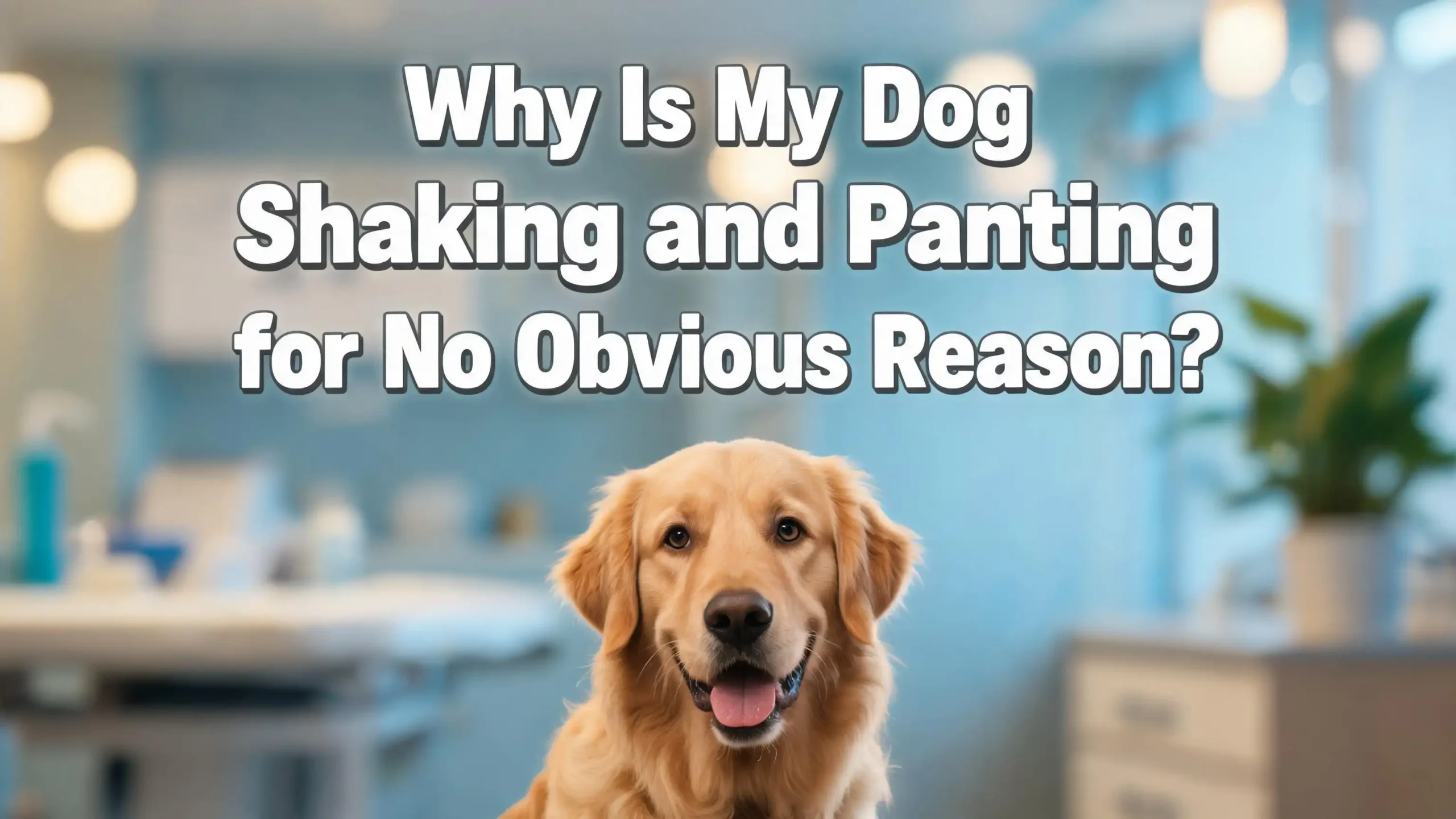
Why Is My Dog Shaking and Panting for No Obvious Reason?
You walk into the room and your dog is trembling. Their sides are heaving with rapid, heavy breaths. Nothing seems wrong. No thunderstorm outside. No loud noise. No obvious injury. Yet your dog looks distressed, and you feel helpless.
Dog shaking and panting with no clear cause is one of the most common concerns pet owners search for online. The truth is, there is always a reason behind the behavior. Dogs do not shake and pant randomly. Their bodies are sending a signal, and your job is to decode it.
This post will walk you through every possible cause, from simple anxiety to serious medical conditions. You will learn exactly what to look for, what steps to take at home, and when you need to rush to the vet.
Key Takeaways
- Shaking and panting always have a cause. Dogs do not display these behaviors without reason. The trigger could be emotional, environmental, or medical. Your first step is to observe your dog closely and note any additional symptoms like vomiting, limping, or lethargy.
- Anxiety and fear are top culprits. Thunderstorms, fireworks, separation, unfamiliar people, and car rides can all cause a dog to tremble and breathe heavily. Creating a calm, safe space and sticking to a daily routine can reduce anxiety episodes significantly.
- Pain and hidden injuries often go unnoticed. Dogs instinctively hide discomfort. If your dog is shaking and panting but you see no visible wound, they may have an internal issue like pancreatitis, a bowel blockage, or joint pain from arthritis.
- Poisoning requires immediate action. Chocolate, xylitol, certain plants, household cleaners, and rodent baits can cause tremors, panting, and even seizures. If you suspect poisoning, contact your vet or an animal poison control hotline right away.
- Senior dogs face unique risks. Older dogs may shake and pant due to cognitive decline, organ disease, or weakened muscles. Regular vet visits become especially important as your dog ages.
- A vet visit is always the safest choice. If shaking and panting last more than 30 minutes, appear alongside other symptoms, or seem severe, do not wait. Get professional help immediately.
Understanding Why Dogs Shake and Pant
Shaking and panting are normal behaviors in dogs under certain conditions. Dogs pant to regulate body temperature because they cannot sweat through their skin the way humans do. A dog may also shake briefly after getting wet or waking up from a nap.
However, persistent or unexplained shaking and panting tell a different story. These behaviors often signal that something is off inside your dog’s body or mind. Panting increases oxygen intake, which the body demands during stress, pain, or overheating. Shaking can be a response to adrenaline surges, muscle weakness, fever, or neurological problems.
The key distinction is context. A dog panting after a long walk on a warm day is normal. A dog panting heavily while lying on the couch in a cool room is not. A dog shaking during a thunderstorm is expected. A dog shaking for hours with no external trigger is a red flag.
Pay attention to how long the episodes last, how frequently they happen, and what other symptoms accompany them. This information will help you and your veterinarian pinpoint the cause faster.
Anxiety and Stress as a Primary Cause
Anxiety is one of the most common reasons dogs shake and pant. Just like humans, dogs experience stress responses that affect their entire body. The autonomic nervous system triggers a flood of adrenaline, which causes rapid breathing and muscle tremors.
Common anxiety triggers include loud noises like thunderstorms and fireworks, separation from their owner, visits to the vet, car rides, and encounters with unfamiliar dogs or people. Some dogs also develop generalized anxiety, meaning they feel uneasy without a specific trigger.
Signs that anxiety is behind your dog’s shaking include pacing, whining, hiding, destructive behavior, excessive licking, and loss of appetite. These symptoms often appear together. If your dog shakes only during specific events and stops once the event ends, anxiety is the likely cause.
What you can do: Create a safe retreat for your dog, such as a quiet room or a crate covered with a blanket. Play soft music or white noise to drown out scary sounds. Offer a favorite toy or a long lasting chew to redirect their focus. Stick to a consistent daily routine for walks, meals, and sleep. If anxiety is severe or frequent, talk to your vet about behavioral training or medication options.
Pain and Hidden Injuries
Dogs are remarkably good at hiding pain. This instinct comes from their wild ancestors, who could not afford to show weakness. As a result, shaking and panting may be the only visible signs that your dog is hurting.
Muscle pain, abdominal pain, joint inflammation, and spinal issues can all cause a dog to tremble. Dogs with internal problems like pancreatitis, urinary blockages, or bloat (gastric torsion) may pant heavily because the pain triggers a stress response in the body.
Watch for additional clues. Is your dog reluctant to move? Do they flinch or pull away when you touch a specific area? Are they licking one spot repeatedly? Are they refusing to eat? These signs point to pain as the underlying issue.
Bloat is a life threatening emergency. If your dog’s abdomen looks swollen or tight and they are panting, drooling, and trying to vomit without success, go to the emergency vet immediately. This condition can become fatal within hours.
If you suspect your dog is in pain but cannot identify the source, schedule a vet visit. Your veterinarian can perform a physical exam, blood work, and imaging to find the problem.
Poisoning and Toxic Ingestion
Dogs explore the world with their mouths, which puts them at constant risk of swallowing something dangerous. Poisoning is a serious and time sensitive cause of shaking and panting in dogs. Many common household items are toxic to dogs, even in small amounts.
The most frequent culprits include chocolate, xylitol (a sugar substitute found in gum and candy), grapes, raisins, onions, garlic, certain houseplants, rodent poisons, snail baits, antifreeze, and household cleaning products. Medications meant for humans, such as ibuprofen and acetaminophen, are also dangerous.
Symptoms of poisoning go beyond shaking and panting. You may notice vomiting, diarrhea, drooling, disorientation, weakness, pale gums, or seizures. These symptoms can appear within minutes or take several hours to develop depending on the substance.
If you suspect your dog ate something toxic, do not wait for symptoms to worsen. Call your veterinarian or the Animal Poison Control Center immediately. Try to identify what your dog ate and how much. Do not try to induce vomiting unless a professional tells you to do so, because some substances cause more damage on the way back up.
Overheating and Heatstroke
Dogs overheat much faster than humans because they rely almost entirely on panting to cool down. Heatstroke is a dangerous condition that causes intense panting, shaking, drooling, and weakness. It can lead to organ failure and death if not treated quickly.
Flat faced breeds like Bulldogs, Pugs, and Boston Terriers are especially vulnerable because their short airways make it harder to cool air before it reaches the lungs. Overweight dogs, senior dogs, and dogs with thick coats also face higher risk.
Warning signs of heatstroke include bright red gums, glazed eyes, excessive drooling, staggering, vomiting, and collapse. If your dog shows these signs after being in heat or direct sunlight, act fast.
What to do: Move your dog to a cool, shaded area immediately. Offer fresh water but do not force them to drink. Place wet towels on their neck, armpits, and groin area. Use room temperature water, not ice cold, because extreme cold can constrict blood vessels and make things worse. Get to a vet as soon as possible even if your dog seems to improve.
Prevent heatstroke by avoiding walks during peak sun hours, always providing shade and water, and never leaving your dog in a parked car.
Low Blood Sugar (Hypoglycemia)
Low blood sugar is a less common but serious cause of shaking and panting. Hypoglycemia affects small breeds, toy breeds, and puppies most often. Dogs with diabetes who receive too much insulin are also at risk.
When blood sugar drops too low, the body cannot fuel basic functions. This leads to trembling, weakness, disorientation, lethargy, and in severe cases, seizures or loss of consciousness. Some dogs pant heavily because the body is under stress from the energy shortage.
Immediate first aid: Rub a small amount of honey, maple syrup, or corn syrup on your dog’s gums. This provides a fast source of sugar that the body can absorb quickly. Wrap your dog in a warm blanket because low blood sugar can also cause a drop in body temperature.
Once your dog stabilizes, get them to the vet. Recurring episodes of low blood sugar need professional evaluation to rule out diabetes, liver disease, or other metabolic conditions. Feed your dog consistent, high quality meals at the same times every day. For puppies and small breeds, offer smaller meals more frequently to keep blood sugar levels stable.
Fever and Infection
A fever causes the body to shiver as it tries to generate heat and fight off infection. If your dog is shaking, panting, and feels warm to the touch, a fever may be the cause. A normal temperature for a dog ranges from 101 to 102.5 degrees Fahrenheit.
Common infections that cause fever in dogs include bacterial infections, viral infections like canine distemper, urinary tract infections, respiratory infections, and infected wounds. Tick borne diseases such as Lyme disease and ehrlichiosis can also trigger fever and tremors.
Other signs of fever include red or glassy eyes, warm ears, a dry nose, decreased appetite, and low energy. You can check your dog’s temperature with a rectal thermometer designed for pets. A temperature above 103 degrees Fahrenheit calls for a vet visit. A temperature above 106 degrees is a medical emergency.
Do not give your dog human fever reducers like aspirin or ibuprofen. These medications can be toxic to dogs. Your veterinarian will determine the source of the infection and prescribe the appropriate treatment, which may include antibiotics, fluids, or anti inflammatory medication.
Seizure Disorders and Neurological Issues
Seizures can cause violent shaking, loss of consciousness, drooling, and involuntary paddling of the legs. Epilepsy is the most common neurological cause of tremors in dogs and can develop at any age, though it often appears between one and five years old.
Before a full seizure, some dogs experience a pre seizure phase that includes restlessness, panting, whining, and mild trembling. This phase can last seconds or minutes. After the seizure, dogs may appear confused, disoriented, or temporarily blind.
Generalized Tremor Syndrome (GTS) is another neurological condition that causes full body tremors. It was first identified in small white breeds like Maltese and West Highland White Terriers but can affect any breed. GTS usually appears between 9 months and 2 years of age. Treatment typically involves corticosteroids, and most dogs respond well within a week.
What to do during a seizure: Keep your dog away from furniture and stairs. Do not put your hands near their mouth. Time the seizure. If it lasts longer than five minutes or your dog has multiple seizures in a row, go to the emergency vet immediately. Your veterinarian can prescribe anticonvulsant medication to manage seizure disorders.
Age Related Causes in Senior Dogs
Older dogs are more likely to shake and pant because their bodies face greater challenges. Muscle weakness, joint pain, organ decline, and cognitive changes all contribute to trembling and heavy breathing in senior dogs.
Arthritis is extremely common in aging dogs and causes chronic pain that may lead to visible shaking, especially in the hind legs. Dogs with arthritis may also pant more because of the constant discomfort. Your vet can recommend pain management options including medication, joint supplements, physical therapy, and weight management.
Cognitive Dysfunction Syndrome (CDS) is the canine version of dementia. Dogs with CDS may pant at night, pace aimlessly, appear disoriented, forget house training, and show increased anxiety. If your senior dog has started shaking and panting mainly at night, CDS could be the reason.
Other age related conditions that cause these symptoms include heart disease, Cushing’s disease, kidney disease, and laryngeal paralysis. Regular blood work and veterinary checkups become critical as your dog enters their senior years. Early detection of these conditions leads to better outcomes and a higher quality of life for your aging companion.
Nausea and Stomach Problems
Dogs shake and pant when they feel nauseous. Motion sickness, dietary indiscretion (eating something they shouldn’t have), or stomach illness can all cause this reaction. The body’s stress response activates during nausea, which leads to panting and trembling.
Look for additional signs like lip licking, excessive swallowing, drooling, yawning, loss of appetite, and vomiting. If your dog ate something unusual recently, like garbage, table scraps, or an unfamiliar treat, nausea is a strong possibility.
Pancreatitis is a more serious cause of nausea in dogs. It occurs when the pancreas becomes inflamed, often after a dog eats a high fat meal. Symptoms include intense abdominal pain, vomiting, diarrhea, shaking, and panting. This condition requires veterinary treatment.
For mild nausea, withhold food for a few hours to let the stomach settle. Offer small sips of water to prevent dehydration. If vomiting continues for more than 24 hours, contains blood, or your dog seems weak, visit the vet right away. Persistent stomach issues may signal a blockage, infection, or organ disease that needs professional attention.
Cold Temperatures and Shivering
Sometimes the explanation is simple. Small dogs, lean dogs, and dogs with thin coats get cold easily. Breeds like Chihuahuas, Italian Greyhounds, Whippets, and short haired Dachshunds are especially sensitive to low temperatures.
Cold dogs shiver to generate body heat through rapid muscle contractions. They may also pant if the shivering causes exertion. You might notice your dog curling up tightly, seeking warm spots, tucking their tail, and refusing to go outside.
The fix is straightforward. Provide a warm blanket or dog bed in a draft free area. Use a dog sweater or jacket during cold weather walks. Limit time outdoors in freezing conditions. Keep your home at a comfortable temperature.
However, do not assume cold is the cause if your dog is shaking indoors at a normal room temperature. Indoor shaking that persists after warming efforts points to a different cause entirely. If your dog is shaking in a warm environment and the trembling does not stop, investigate further or call your vet.
Excitement and Overstimulation
Not all shaking and panting is bad news. Some dogs shake and breathe heavily out of pure excitement. This is especially common in puppies and high energy breeds. The adrenaline rush from greeting their owner, seeing another dog, or anticipating a walk can cause visible trembling.
Excitement based shaking is usually accompanied by a wagging tail, jumping, barking, spinning, and sometimes even urination. The dog’s body language is clearly happy and engaged. This type of shaking stops once the dog calms down.
If excitement shaking bothers you, train your dog to sit calmly before they receive attention, treats, or leash clips. Keep greetings low key. Reward calm behavior consistently. Over time, most dogs learn to manage their excitement better.
However, if your dog’s excitement seems extreme or they cannot calm down for extended periods, this could indicate an underlying anxiety issue. Persistent overstimulation that lasts more than a few minutes deserves attention from a trainer or veterinarian who specializes in behavior.
When to Rush to the Emergency Vet
Knowing when to seek emergency help can save your dog’s life. Some combinations of symptoms demand immediate professional attention. Do not wait to see if things improve on their own in the following situations.
Go to the emergency vet if your dog is shaking and panting along with any of these symptoms: seizures lasting more than five minutes, a bloated or tight abdomen, inability to stand or walk, blue or white gums, persistent vomiting or diarrhea, suspected poisoning, extreme lethargy or unresponsiveness, or a temperature above 106 degrees Fahrenheit.
Call your regular vet within 24 hours if shaking and panting are mild but accompanied by decreased appetite, slight limping, changes in drinking or urination habits, or if the episodes keep happening.
Trust your instincts as a pet owner. You know your dog better than anyone. If something feels wrong, it probably is. A vet visit that turns out to be nothing is always better than waiting too long on a serious problem. Keep your vet’s number and the nearest emergency animal hospital’s number saved in your phone at all times.
Step by Step Home Assessment Checklist
Before you call the vet, gathering information helps them help your dog faster. Run through this quick assessment to give your veterinarian the details they need.
Step 1: Check the environment. Is the room too hot or too cold? Is there a loud noise or stressful event happening? Has anything changed in your dog’s surroundings recently?
Step 2: Examine your dog. Look for visible injuries, swelling, or signs of a bite or sting. Check the gums. Healthy gums should be pink and moist. Pale, blue, or bright red gums indicate a problem.
Step 3: Take your dog’s temperature if you have a pet thermometer. Normal is 101 to 102.5 degrees Fahrenheit. Anything outside this range is concerning.
Step 4: Think about what your dog has eaten in the past 24 hours. Did they get into the trash? Could they have accessed any toxic foods or chemicals?
Step 5: Note the timeline. When did the shaking start? Has it happened before? How long has it lasted? Is it getting worse?
Write down everything you observe and share it with your vet. Clear, detailed information speeds up diagnosis and treatment.
How to Prevent Future Episodes
Prevention is always better than treatment. Building healthy habits reduces the chance of unexplained shaking and panting episodes.
Keep your home free of toxic substances. Store chocolate, medications, cleaning products, and poisonous plants out of your dog’s reach. Use pet safe pest control methods.
Maintain a consistent routine for feeding, walking, and sleeping. Predictability reduces stress and anxiety in dogs. Provide daily physical exercise appropriate for your dog’s age and breed. Mental stimulation through puzzle toys, training sessions, and socialization also helps keep anxiety at bay.
Schedule regular veterinary checkups at least once a year for adult dogs and twice a year for seniors. Blood work, dental exams, and physical assessments catch problems early before they cause symptoms like shaking and panting.
Feed your dog a balanced, high quality diet. Avoid giving table scraps, especially fatty or seasoned foods. Keep your dog at a healthy weight because extra pounds put stress on joints, the heart, and other organs.
Frequently Asked Questions
Why is my dog shaking and panting at night for no reason?
Nighttime shaking and panting often stem from anxiety, pain, or cognitive dysfunction, especially in older dogs. Dogs may feel more vulnerable at night when the house is quiet and dark. Arthritis pain can also feel worse at night because the body stiffens during rest. If this happens regularly, a vet visit can help identify the cause and provide solutions.
Should I be worried if my dog is shaking but not cold?
Yes, you should investigate further. Shaking without cold exposure can signal pain, anxiety, nausea, poisoning, low blood sugar, fever, or neurological problems. Observe your dog for additional symptoms. If the shaking lasts more than 30 minutes or your dog also shows signs of distress, contact your veterinarian.
Can anxiety alone cause my dog to shake and pant heavily?
Absolutely. Anxiety triggers the fight or flight response, which releases adrenaline and cortisol into the bloodstream. This causes rapid breathing, muscle tension, and trembling. Common anxiety triggers include loud noises, separation, new environments, and unfamiliar people or animals. Behavioral training, environmental management, and veterinary prescribed medication can all help manage canine anxiety.
How can I tell if my dog’s shaking is an emergency?
Look for red flag symptoms alongside the shaking. Seizures, a swollen abdomen, difficulty breathing, blue or white gums, collapse, persistent vomiting, or suspected toxic ingestion all require emergency care. If your dog seems disoriented, cannot stand, or is unresponsive, go to the nearest emergency animal hospital immediately.
What should I do if my senior dog starts shaking and panting suddenly?
Take it seriously. Senior dogs are more prone to conditions like heart disease, Cushing’s disease, kidney failure, and cognitive dysfunction. Start by checking for obvious causes like temperature or recent food changes. Then schedule a vet appointment as soon as possible. Blood work and a thorough physical exam can reveal underlying issues that need treatment.
Is it normal for dogs to shake after eating?
Occasional mild shaking after eating can happen, but it is not considered normal behavior. It could indicate nausea, a food allergy, low blood sugar recovery, or even excitement about the meal. If your dog shakes after every meal or the shaking is intense, consult your vet to rule out food sensitivities, digestive disorders, or other health concerns.