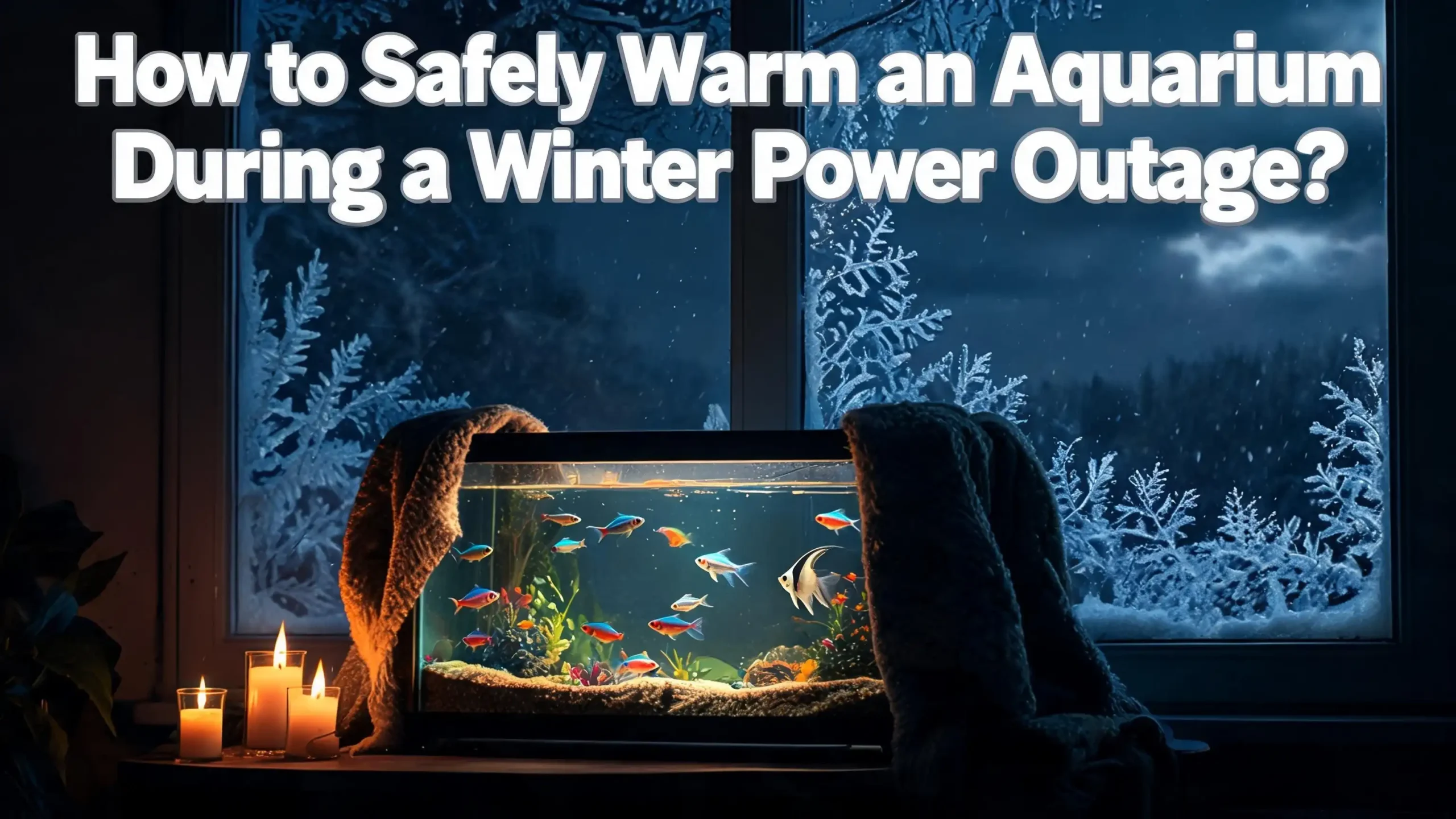
How to Safely Warm an Aquarium During a Winter Power Outage?
A winter storm just knocked out your power. The house is getting colder by the minute. Your aquarium heater has stopped working. Your tropical fish need warm water to survive. What do you do now?
This is a real fear for thousands of fish keepers every winter season. A sudden power outage can turn a stable, warm aquarium into a cold, dangerous environment within hours. Tropical fish that thrive at 76°F to 82°F can start showing signs of stress once the water drops below 70°F. Some sensitive species can die if the temperature falls below 65°F.
The good news is that you can keep your fish alive and safe during a winter power outage. You do not need expensive equipment or professional training. You need a clear plan, a few household items, and quick action.
This guide walks you through every step, from the first moment the power goes out to the moment it comes back on. You will learn how to insulate your tank, add emergency heat, maintain oxygen levels, and avoid the common mistakes that kill fish during outages.
Key Takeaways
- Insulation is your first and best defense. Wrapping your aquarium in blankets, towels, or bubble wrap slows heat loss dramatically and buys you valuable time before the water temperature drops to dangerous levels.
- Warm water bottles provide safe, controlled emergency heat. Filling clean plastic bottles with hot water (100°F to 120°F) and floating them in the tank raises the temperature gradually without shocking your fish.
- Oxygen matters just as much as temperature. A battery operated air pump keeps your water oxygenated and your fish breathing. Without water movement, oxygen levels drop fast, especially in warm or crowded tanks.
- Stop feeding your fish during the outage. Fish can survive several days without food. Feeding them while the biological filter is down leads to dangerous ammonia buildup that can poison the entire tank.
- Avoid rapid temperature changes at all costs. A slow, gradual cool down is far less harmful than sudden swings caused by adding boiling water or removing insulation repeatedly. Aim for no more than 1°F to 2°F change per hour.
- Prepare an emergency kit before winter arrives. Having blankets, battery powered air pumps, clean bottles, a glass thermometer, and extra water conditioner ready can mean the difference between life and death for your fish.
Why Winter Power Outages Are Dangerous for Aquarium Fish
Most popular aquarium fish come from tropical regions. Species like bettas, tetras, angelfish, and discus need water temperatures between 75°F and 85°F to stay healthy. Their immune systems, digestion, and metabolism all depend on consistent warmth.
A winter power outage removes the heater from the equation. The water temperature begins to fall as the room gets colder. In a poorly insulated home during freezing weather, a small aquarium can lose several degrees per hour. A 10 gallon tank can reach room temperature in just a few hours. Larger tanks hold heat longer, but even a 55 gallon aquarium will cool steadily over 12 to 24 hours.
Cold water causes immediate physiological stress. Fish become sluggish and stop eating. Their immune systems weaken, making them vulnerable to diseases like ich and bacterial infections. If the temperature drops below 60°F, many tropical species will go into shock. Some may not recover even after the power returns.
The danger is not limited to temperature alone. When the power goes out, the filter stops running. The biological bacteria that process ammonia begin to die without oxygenated water flowing over them. Ammonia levels start to rise. Combined with cold stress, elevated ammonia creates a situation that can kill fish within days.
How Fast Does an Aquarium Lose Heat Without Power
Understanding heat loss helps you plan your response. Several factors determine how quickly your aquarium water cools down. Tank size is the biggest factor. A larger volume of water holds more thermal energy and takes longer to cool.
A 10 gallon tank in a room at 60°F can drop from 78°F to 70°F in roughly 4 to 6 hours. A 55 gallon tank under the same conditions may take 10 to 14 hours to reach the same temperature. A 100 gallon tank can maintain safe temperatures for a full day or more, especially with a lid on.
The room temperature matters greatly. If your home drops to 50°F or lower during a winter storm, the tank will cool much faster than if the room stays at 65°F. Homes with good insulation and sealed windows lose heat more slowly, which gives your aquarium extra protection.
Tank material also plays a role. Glass conducts heat faster than acrylic. A glass aquarium will lose heat more quickly than an acrylic tank of the same size. Tanks placed against exterior walls or near windows will cool faster than those in interior rooms.
The presence of a lid or hood on the tank makes a big difference. An open top tank loses heat through evaporation much faster. Simply keeping the lid on can slow heat loss by 20% to 30%. Knowing these factors helps you estimate how much time you have before the situation becomes critical.
Insulate Your Aquarium Immediately
The moment the power goes out in winter, your first action should be to insulate the aquarium. This is the single most effective thing you can do to slow heat loss. It costs nothing and uses materials you already have at home.
Start by wrapping the sides and back of the tank with thick blankets or towels. Wool blankets work best because wool retains heat even when damp. Fleece blankets and bath towels also work well. Layer them for extra protection. Two or three layers of blankets can cut heat loss significantly.
Cover the top of the tank. This is critical because heat rises and escapes through the surface. Place a towel or blanket over the lid. Make sure you leave a small gap or opening so that air can still exchange. Your fish need oxygen, and a completely sealed tank will suffocate them.
For extra insulation, use bubble wrap. Place bubble wrap directly against the glass with the bubble side facing inward. The trapped air pockets act as an insulating barrier. You can wet the glass slightly and the bubble wrap will stick. Some fish keepers also use styrofoam sheets cut to fit the sides of the tank.
Do not forget to insulate the filtration equipment as well. External canister filters and sumps hold water that will also cool down. Wrap them with blankets or towels. If you have an external filter, the water sitting inside it will get cold and could shock the tank when power returns.
Use Hot Water Bottles for Emergency Heating
Once your tank is insulated, you may still need to add heat. Hot water bottles are one of the safest and most effective emergency heating methods. They provide gentle, gradual warmth without the risk of overheating or chemical contamination.
Fill clean plastic bottles with hot water. The ideal water temperature for the bottles is 100°F to 120°F. Do not use boiling water. Boiling water can melt thin plastic bottles and cause dangerous temperature spikes in the aquarium. Moderate heat applied gradually is always better than extreme heat applied quickly.
Float the bottles in the aquarium water. The heat will transfer slowly from the bottle into the surrounding water. For a 20 gallon tank, two or three bottles usually provide enough warmth. For larger tanks, use more bottles or larger containers.
Replace the bottles every 2 to 3 hours as they cool down. If you have a gas stove or a camping stove, you can heat more water as needed. If you have a gas water heater in your home, it will still produce hot water during a power outage, giving you a continuous source of warm water.
Always use clean containers that have never held chemicals or cleaning products. Residues from soap or household cleaners can leach into the aquarium water and poison your fish. Dedicated water bottles or new containers are the safest option. Seal the bottles tightly to prevent any treated tap water from leaking into the tank.
Try Hand Warmers as an Alternative Heat Source
Disposable hand warmers, commonly sold in drugstores and outdoor supply stores, offer another practical emergency heating option. These small packets generate heat through a chemical reaction when exposed to air. They can last 8 to 18 hours depending on the brand.
The safest way to use hand warmers is to place them inside a sealed zip lock bag before putting them in or near the tank. Never place a hand warmer directly into the aquarium water. The chemicals inside the warmer are not safe for fish. A sealed bag acts as a barrier between the heat source and the water.
You can float the sealed bag in the tank water or tape it to the outside glass under the insulating blankets. Floating it in the water provides more direct heat transfer. Taping it to the outside glass is safer if you are worried about leaks. Either method can raise or maintain the water temperature during a moderate winter outage.
Monitor the temperature carefully after adding hand warmers. A single hand warmer in a small tank can raise the temperature by several degrees. In a large tank, you may need multiple warmers to have any noticeable effect. Use a glass thermometer or battery powered digital thermometer to check the water temperature every hour or two.
Hand warmers are an excellent backup to keep in your emergency kit. They are inexpensive, lightweight, and have a long shelf life. Stock at least a dozen hand warmers before winter arrives so you are ready for any outage.
Maintain Oxygen Levels in the Tank
Temperature gets most of the attention during a power outage, but oxygen is equally critical. Your fish breathe dissolved oxygen from the water. The filter and any air stones normally keep the water oxygenated by creating surface movement. When the power stops, that movement stops too.
A battery operated air pump is the best solution. These small devices run on D cell batteries and can power an air stone for 12 to 28 hours. They create bubbles that break the water surface and allow gas exchange. Oxygen enters the water while carbon dioxide escapes. Place the air pump above the water line so that water cannot siphon back into the device if the batteries die.
If you do not have a battery operated air pump, you can manually aerate the water. Scoop water out of the tank with a clean cup or pitcher and pour it back in from about 6 inches above the surface. The splashing action introduces oxygen. You will need to repeat this process every 10 to 15 minutes for a few minutes each time. It is tiring but effective.
Another option is to gently stir the water surface with a clean spoon or ladle every 15 to 20 minutes. The goal is to create surface agitation. Still, calm water exchanges very little oxygen. Any movement at the surface helps.
Watch your fish for signs of oxygen deprivation. If they are gathered at the surface and gasping, oxygen levels are dangerously low. Increase your aeration efforts immediately. Reduce the number of fish per tank if possible by moving some to a separate aerated container.
Stop Feeding Your Fish During the Outage
This advice sounds counterintuitive, but not feeding your fish during a power outage is one of the most important things you can do. Healthy fish can survive 5 to 7 days without food. Many can go even longer. Skipping meals during an emergency will not starve them.
The reason is simple. When fish eat, they produce waste. That waste breaks down into ammonia. Under normal conditions, beneficial bacteria in your filter convert ammonia into less harmful substances. This is the nitrogen cycle. But during a power outage, the filter is off. Those beneficial bacteria lose their oxygen supply and start to die. The biological filtration system stops working.
Without a functioning biological filter, ammonia accumulates in the water. Ammonia is toxic to fish even at low concentrations. It burns their gills, damages their skin, and weakens their immune system. Combined with the stress of cold temperatures, ammonia poisoning can be fatal.
By not feeding your fish, you minimize the amount of waste they produce. This keeps ammonia levels lower for a longer period. It gives you more time before the water quality becomes dangerous.
If the outage lasts more than 3 to 4 days and your fish are active and showing signs of hunger, offer a very small amount of food once per day. Choose a high quality pellet or flake that produces less waste than frozen or live foods. Remove any uneaten food after 2 minutes to prevent it from rotting in the tank.
Monitor Water Temperature Regularly
Keeping track of the water temperature during a power outage helps you make smart decisions. Check the temperature at least 3 to 4 times per day. This gives you a clear picture of how fast the tank is cooling and whether your insulation and heating efforts are working.
Use a traditional glass thermometer that stays inside the tank. Electronic thermometers with battery power also work. Avoid relying on stick on thermometer strips, as they measure the glass surface temperature, not the actual water temperature. The difference can be several degrees.
Position the thermometer where you can read it without removing the insulation. Every time you lift a blanket or remove a towel to peek inside, you let warm air escape. This accelerates heat loss. If possible, tuck the thermometer near the front glass where you can check it through a small gap in the covering.
Record the temperature and time each time you check. This simple log tells you the rate of cooling. If the temperature is dropping by 1°F per hour, you know you have a limited window before conditions become dangerous. If it is holding steady, your insulation is doing its job.
Take action if the temperature drops below 68°F for tropical fish. At this point, add more hot water bottles, extra insulation, or hand warmers. If the temperature approaches 60°F, consider moving your most sensitive fish to a smaller, well insulated container that is easier to heat. A 5 gallon bucket wrapped in blankets and heated with warm water bottles can serve as a temporary emergency tank.
Protect Your Biological Filter During the Outage
Your biological filter contains colonies of beneficial bacteria that keep your water safe. These bacteria live on the filter media, the sponges, ceramic rings, and bio balls inside your filter. They need oxygenated water flowing over them to survive. When the filter stops running, these bacteria begin to die within hours.
Remove the filter media from your hang on back filter or canister filter and place it directly into the aquarium. This keeps the media submerged in the tank water where it can still receive some oxygen, especially if you are using a battery powered air pump. Place the media in a mesh bag if it consists of loose pieces like ceramic rings.
Do not leave the filter media sitting inside a turned off canister filter. The water inside a sealed canister becomes stagnant and oxygen depleted very quickly. The bacteria will die, and the stagnant water can become toxic. When power returns, that toxic water could flow into your tank and cause a dangerous ammonia or nitrite spike.
If you are unable to aerate the filter media in the tank, at least rinse it in tank water before placing it back in the filter when power returns. This removes dead bacteria and accumulated waste. You should also perform a water change before restarting your filter.
After a prolonged outage, expect your nitrogen cycle to need time to recover. Test your water daily for ammonia and nitrite for at least a week after power returns. You may need to do frequent partial water changes until the beneficial bacteria populations rebuild. Consider the tank to be going through a mini cycle during this recovery period.
Avoid These Common Mistakes During a Power Outage
Many well meaning fish keepers accidentally harm their fish during power outages by making avoidable errors. Knowing what not to do is just as important as knowing what to do.
Do not add boiling water directly to the tank. This causes a sudden, extreme temperature spike that can burn or kill fish instantly. Always use water bottles filled with moderately hot water (100°F to 120°F) and let the heat transfer gradually.
Do not keep checking on your fish constantly. Every time you lift the insulation blankets, warm air escapes and cool air rushes in. Check the thermometer through a small gap and resist the urge to fully uncover the tank. Your fish will be fine resting quietly in the dark.
Do not add any chemicals to the water in an attempt to warm it. There is no safe chemical you can add to raise water temperature. Some people suggest adding salt to retain heat, but this does not work and will harm freshwater fish.
Do not run a space heater too close to the tank. While heating the room helps, placing a heater directly next to the glass can create uneven hot spots, crack the glass, or overheat one side of the tank while the other remains cold.
Do not panic and perform a massive water change with cold tap water. During winter, tap water can be extremely cold. Adding large volumes of cold water will drop the tank temperature rapidly. If you must do a water change, heat the replacement water first and match it to the current tank temperature.
Create a Winter Power Outage Emergency Kit
Preparation is the best strategy. Assemble an emergency kit before winter arrives so you are ready to act the moment the power goes out. Scrambling to find supplies in the dark during a storm wastes precious time and increases stress for both you and your fish.
Your kit should include several thick blankets or towels dedicated to wrapping the aquarium. Wool or fleece blankets work best. You can also include a roll of bubble wrap for additional insulation. Keep clean, food safe plastic bottles ready to fill with hot water. One liter and two liter soda bottles work well after thorough cleaning and rinsing.
A battery powered air pump with extra batteries is essential. These are sold at fishing supply stores as bait bucket aerators. They are inexpensive and can run for many hours on a set of D cell batteries. Include extra airline tubing and an air stone with the pump.
Keep a traditional glass thermometer as a backup to any electronic thermometers you use. Electronic models need power, and batteries may not be available during a widespread outage. A glass thermometer works without any power and gives accurate readings.
Include a water test kit for ammonia, nitrite, and pH. You will need to monitor water quality during and after the outage. A bottle of water conditioner is also important in case you need to perform water changes with tap water.
Stock up on disposable hand warmers and zip lock bags. A flashlight with extra batteries rounds out the kit. Store everything in a labeled container near your aquarium so you can find it instantly in the dark.
What to Do When the Power Comes Back On
The moment power is restored, you may feel relieved, but take a careful, gradual approach to bringing your aquarium back to normal. Rushing this process can cause as much harm as the outage itself.
Do not feed your fish for at least 24 hours after power returns. The biological filter needs time to restart. The bacteria may have diminished during the outage, and adding food will produce waste that the weakened filter cannot handle. Give the system a full day to circulate and re oxygenate before introducing food.
Remove the insulation from the tank gradually. Let the heater bring the water back to its normal temperature at its own pace. Do not try to speed up the warming process by adding hot water. A gradual return to normal temperature is safest. Aim for a rise of no more than 1°F to 2°F per hour.
Test your water immediately for ammonia and nitrite. If either reading is above 0 ppm, perform a partial water change of 20% to 30% using temperature matched, conditioned water. Continue testing daily for the next 5 to 7 days. The nitrogen cycle may need a week or more to fully recover.
Clean your filter media by rinsing it gently in tank water (not tap water) to remove any dead bacteria or debris. Reassemble and restart your filter. Watch for cloudy water or a fishy smell in the days following, as these can indicate a bacterial bloom or mini cycle.
Observe your fish closely for signs of illness. Stress from cold temperatures and poor water quality can trigger diseases like ich (white spot disease) that may not appear for several days after the outage. Early treatment gives the best chance of recovery.
Special Considerations for Reef and Saltwater Tanks
Reef tanks and saltwater aquariums face additional challenges during winter power outages. Corals, anemones, and invertebrates are more sensitive to temperature changes and water quality fluctuations than most freshwater fish.
Saltwater holds less dissolved oxygen than freshwater at the same temperature. This means oxygen depletion becomes a concern more quickly in marine tanks. Battery powered air pumps or powerheads are even more critical for saltwater setups. If you keep a reef tank, consider investing in a battery backup system or uninterruptible power supply (UPS) that can run a small pump for several hours.
Corals depend on light for photosynthesis. Their symbiotic algae (zooxanthellae) need regular light exposure to produce energy. A few days without light will stress corals but usually will not kill them. Some reef keepers use mirrors to reflect natural sunlight onto their tanks during extended outages. Be aware that this can also increase algae growth on rocks and glass.
Protein skimmers and other advanced filtration will stop working during an outage. This makes manual water changes even more important for saltwater tanks. Keep pre mixed saltwater on hand for emergencies. At least 10% to 20% of your tank volume stored in clean containers gives you the ability to do water changes without power.
Marine fish and invertebrates are generally less tolerant of ammonia spikes than freshwater species. The stop feeding rule is especially important for reef tanks. Even a small amount of uneaten food in a powerless reef tank can cause rapid water quality decline that harms corals and delicate invertebrates.
Which Fish Species Handle Cold Water Better
Not all aquarium fish are equally vulnerable to cold temperatures. Understanding your species’ cold tolerance helps you prioritize your efforts during an outage. Fish with wider temperature ranges need less emergency intervention than heat loving species.
Goldfish and koi are among the hardiest aquarium fish. They can tolerate temperatures down to the low 50s°F and even survive brief periods near freezing. If you keep goldfish, a winter power outage is far less dangerous. Basic insulation and monitoring are usually enough.
White Cloud Mountain minnows thrive in cool water between 64°F and 72°F. They can handle temperatures well below what tropical fish can tolerate. Zebra danios are another cold tolerant species, comfortable in the 64°F to 75°F range. These fish will likely be fine during a moderate winter outage with basic insulation.
On the other end of the spectrum, discus fish need stable temperatures between 82°F and 86°F. They are extremely sensitive to cold and to temperature swings. Discus require the most urgent attention during any outage. Similarly, many marine tropical species and reef invertebrates need consistent warmth and pristine water quality.
Bettas, while popular and seemingly tough, are tropical fish that suffer in water below 74°F. Neon tetras, guppies, and cichlids also need warm water and can develop health problems if exposed to cold for extended periods. Know the temperature tolerance of every species in your tank so you can act appropriately during an emergency.
Frequently Asked Questions
How long can tropical fish survive without a heater in winter?
Most tropical fish can survive 24 to 48 hours without a heater if the room temperature stays above 65°F. With proper insulation and emergency heating methods like warm water bottles, you can extend this to several days. The exact survival time depends on the species, tank size, and how cold the room gets. Hardier species like platies and swordtails tolerate cold better than sensitive species like discus or angelfish. The key is to slow the temperature drop as much as possible and avoid sudden changes.
Can I use a fireplace or wood stove to heat the room and keep the tank warm?
Yes, heating the room is one of the best indirect ways to protect your aquarium. A fireplace, wood stove, or gas heater raises the ambient temperature around the tank. This slows heat loss from the water. Just make sure the heat source is not too close to the tank, as uneven heating or extreme heat on one side of the glass can cause stress or even crack the aquarium. Keep the tank insulated with blankets even if the room feels warm, because room temperature can fluctuate as the fire dies down.
Is it safe to use a generator to power my aquarium heater?
A generator can power your aquarium heater and filter and is one of the most reliable solutions for a prolonged outage. Make sure the generator is placed outside in a well ventilated area. Carbon monoxide from generators running indoors is deadly. Use a heavy duty extension cord rated for the wattage your equipment draws. If you have a large aquarium setup or a reef tank, a portable generator is a worthwhile investment for winter preparedness.
Should I move my fish to a smaller container during a power outage?
Moving fish to a smaller container can help in certain situations. A smaller volume of water is easier to heat and insulate. A 5 gallon bucket wrapped in blankets and heated with warm water bottles can maintain a stable temperature for small fish. However, moving fish causes stress, and a smaller container has less dissolved oxygen and less water volume to dilute waste. Only move fish if you cannot maintain safe conditions in the main tank or if the tank temperature has dropped to critical levels.
How do I prevent my aquarium glass from cracking in extreme cold?
Aquarium glass can crack from rapid temperature changes, not from cold alone. Avoid placing hot water bottles directly against the glass. Do not pour hot water directly into a very cold tank. Keep the temperature changes gradual. If the room is extremely cold, insulating the tank with blankets and bubble wrap protects the glass from rapid surface cooling. Acrylic tanks are more flexible and less prone to thermal cracking than glass tanks.
What should I always have ready before winter storm season?
Prepare an emergency kit that includes thick blankets or towels for insulation, a battery powered air pump with extra batteries, clean plastic bottles for hot water, a glass thermometer, water test kits, water conditioner, disposable hand warmers, and zip lock bags. Store pre mixed saltwater if you have a marine tank. Keep at least 10% to 20% of your tank volume in treated freshwater ready for emergency water changes. Having these supplies on hand lets you act immediately when the power goes out.