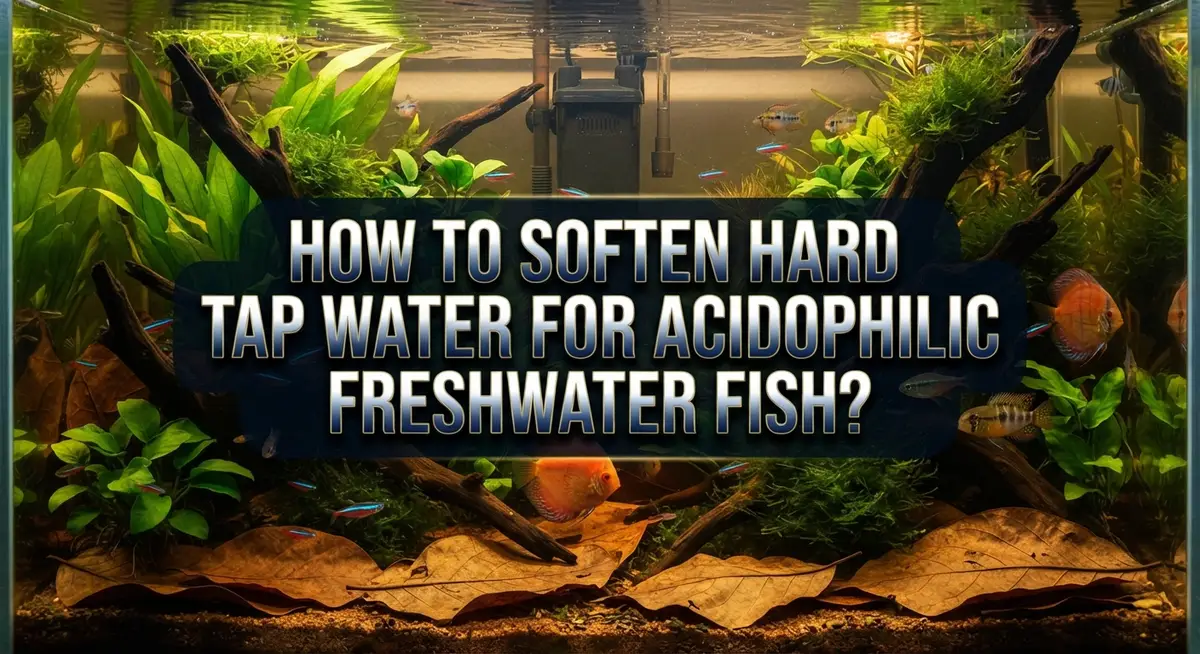
How to Soften Hard Tap Water for Acidophilic Freshwater Fish?
Do you dream of keeping tetras, discus, or angelfish happy in their tank? These fish come from soft, acidic waters in nature. Your tap water might tell a different story.
Many tap water sources are naturally hard. They carry high amounts of dissolved minerals. This creates a big problem for acidophilic fish that need soft conditions to thrive.
Hard water can stress these fish. It affects their breeding, coloring, and overall health. Without the right water chemistry, even the healthiest looking fish can struggle.
The good news? You can soften hard tap water at home. This guide walks you through proven methods to lower your water hardness safely.
We will cover reverse osmosis systems, natural softening approaches, and common testing mistakes. You will learn how to measure your current water hardness accurately.
By the end, you will know exactly which method fits your setup best. Your fish deserve water that mimics their natural habitat. Let’s get your tank parameters just right.
In a Nutshell
- Test your water first. Always check your GH and KH levels before you start. This tells you exactly how hard your tap water really is.
- Reverse osmosis works best. It strips out dissolved minerals and gives you a clean base for soft water fish. This is the most reliable method available.
- Driftwood and tannin leaves help with pH. They make water more acidic over time. But they do not remove much hardness on their own.
- Water additives adjust parameters. Some products can shift GH or KH readings. They do not truly soften water like RO does.
- Avoid relying on natural methods alone. Driftwood alone will not fix very hard tap water. Combine methods for better results.
- Always retest after treatment. This confirms your water matches what your fish need. Skipping this step is a common mistake.
- Match your method to your fish. Acidophilic species like tetras and discus need soft, acidic conditions. Pick a softening approach that fits your specific setup and goals.
Why Acidophilic Fish Need Soft, Acidic Water
Acidophilic fish live in nature’s softest, most acidic waters. These species evolved in environments where mineral content stays low and pH drops below 7. Your tap water likely contains the opposite conditions.
Hard tap water contains dissolved minerals like calcium and magnesium. These minerals raise your GH (general hardness) and KH (carbonate hardness) levels. Acidophilic fish struggle in these conditions because their bodies adapted to absorb nutrients differently. High mineral content stresses their gills and disrupts their internal salt balance.
When you place a soft water fish in hard tap water, several problems emerge. The fish may stop eating or hide constantly. Their colors fade and become dull. Over time, stress weakens their immune system, making them vulnerable to disease.
pH and hardness work together in acidophilic fish care. Soft water naturally tends toward lower pH values. Hard water resists pH changes and stays more alkaline. Your fish need both conditions met simultaneously for true health.
Testing reveals your starting point. Most home aquarists discover their tap water sits between 10 and 20 GH. Acidophilic species typically need 4 to 8 GH or lower. This gap explains why these fish fail in untreated tap water.
The solution involves removing minerals before adding water to your tank. This process differs from simply adjusting pH with additives. You must actually strip away the dissolved minerals rather than just lowering the number on your pH test kit.
Understanding this difference changes your entire approach. You will stop wasting time on methods that only address pH. Instead, you will focus on true softening techniques that remove the minerals causing stress.
Understanding GH, KH, and pH in Tap Water
Your tap water contains three key measurements that matter for acidophilic fish. Let’s break down each one so you understand what you’re dealing with.
General Hardness (GH) measures dissolved minerals like calcium and magnesium in your water. This number tells you how “hard” your tap water actually is. Most acidophilic fish need a GH between 4 and 8 ppm. If your tap water reads 15 ppm or higher, you have hard water that needs treatment.
Carbonate Hardness (KH) measures buffering capacity in your water. It shows how much alkalinity your tap water holds. High KH resists pH changes, which makes it difficult to create the acidic conditions these fish need. Acidophilic species thrive with KH levels below 4 ppm.
pH measures how acidic or alkaline your water is. The scale runs from 0 to 14, with 7 being neutral. Acidophilic fish prefer pH between 5.5 and 7.0. Hard tap water typically has a higher pH, often between 7.5 and 8.5.
Here’s the critical part: GH and KH are different from pH. You can lower pH without lowering hardness. Driftwood makes water more acidic, but it doesn’t remove minerals. This confusion causes many people to fail with these fish.
Your first step is testing all three parameters. Inexpensive test kits show you exactly where your tap water stands. Once you know your starting numbers, you can choose the right softening method. Testing takes minutes and prevents weeks of frustration later.
Testing Your Tap Water Before You Start
Testing your tap water is the foundation of everything. You cannot fix a problem you have not measured. Start by getting a reliable test kit that measures GH, KH, and pH together.
General Hardness (GH) tells you how many dissolved minerals like calcium and magnesium are in your water. Most test kits show this in ppm (parts per million) or dGH (degrees of General Hardness). Acidophilic fish need GH below 6 dGH. If your tap water reads 12 dGH or higher, you have genuinely hard water that needs treatment.
Carbonate Hardness (KH) measures buffering capacity. This affects how stable your pH stays over time. High KH resists pH changes, which makes acidic water difficult to maintain. You want KH below 3 dKH for acidophilic species.
pH shows acidity or alkalinity on a scale of 0 to 14. Values below 7 are acidic. Acidophilic fish thrive around pH 5.5 to 6.5. Tap water often reads 7 to 8, which is too alkaline.
Test your water before you add anything to your tank. Write down all three numbers. This baseline tells you exactly what softening method you need.
Here’s the practical part: If GH is high but pH is already acidic, you need mineral removal. If GH is high and pH is neutral or alkaline, you need both mineral removal and pH adjustment. Different problems need different solutions. Testing first prevents wasted time and failed fish.
Softening Methods Compared: RO, Natural, and Chemical Approaches
Reverse Osmosis removes nearly all dissolved minerals from your tap water. This method works by forcing water through a semi permeable membrane that catches calcium, magnesium, and other hardness causing substances. The result is water that’s soft and ready for your acidophilic fish.
RO systems produce two water streams. One is pure, soft water for your tank. The other is concentrated waste water that goes down the drain. Most home systems waste about three gallons to make one gallon of pure water. Plan your system size based on how much soft water you actually need each week.
Natural methods like driftwood and tannin leaves lower pH gradually. They release organic acids into your water. However, these methods do very little to reduce actual hardness. They work best when combined with other approaches, not used alone for hard tap water.
Chemical additives exist that adjust GH and KH readings. Some products help shift water parameters toward what acidophilic fish need. These work faster than natural methods but require careful dosing. Always follow instructions exactly and retest your water afterward.
Here’s the key difference: RO removes minerals physically. Natural methods add acids chemically. Additives adjust existing minerals without removing them. For very hard tap water, RO gives you the most control and reliability.
Your choice depends on how hard your tap water is. Slightly hard water responds well to natural methods. Very hard water requires RO or a combination approach. Test your water first, then pick the method that matches your starting point and your time commitment.
Step-by-Step: Using Reverse Osmosis to Soften Tap Water
Start by testing your current tap water hardness using a test kit. Measure both GH (General Hardness) and KH (Carbonate Hardness) to see exactly what you’re working with. Write down these numbers. They become your baseline.
Next, decide if reverse osmosis fits your situation. RO systems work by forcing tap water through a semi-permeable membrane. This membrane blocks dissolved minerals like calcium and magnesium. The result is pure, soft water on one side and mineral-rich waste water on the other. You collect only the pure water for your tank.
Set up your RO unit according to the manufacturer’s instructions. Connect it to your tap water source. Let it run until you have enough soft water for your tank. Most systems take time to produce water, so plan ahead. Don’t rush this step.
Test the RO water before using it. Your GH and KH readings should drop significantly. If they’re still too high, run more water through the system. Sometimes the membrane needs time to work effectively on very hard water.
Mix the soft RO water with your tank water if needed. Some aquarists use pure RO water. Others blend it with a small amount of tap water to keep some minerals. Test again after mixing to confirm you’ve hit your target hardness for acidophilic fish.
Monitor your parameters weekly. Hard tap water can shift your tank chemistry over time as you perform water changes. Keep testing regularly. This prevents surprises and keeps your fish healthy.
Using Driftwood, Tannins, and Additives to Support Soft Water
Driftwood and tannin leaves work by releasing organic compounds into your water. These compounds lower pH gradually but do very little to reduce hardness itself. Many aquarists mistakenly believe that driftwood alone will soften hard tap water. This is incorrect.
Here’s what actually happens: tannins stain your water brown and make it slightly more acidic. Your GH and KH numbers stay nearly the same. If your tap water has high mineral content, driftwood won’t remove those minerals. It only adjusts acidity.
Driftwood works best when your tap water is already moderately soft but not acidic enough. Use it as a supporting tool, not a primary solution. Soak new driftwood in a bucket for several days before adding it to your tank. This releases tannins faster and prevents excessive browning.
Tannin leaves like Indian almond leaves and oak leaves offer similar benefits. They release tannins slowly over weeks. Replace them every month or two for consistent results. Combine multiple pieces for stronger effects.
Chemical additives designed for water adjustment exist in the market. These products typically work by binding to minerals or adjusting buffering capacity. Read labels carefully to understand what each product actually does. Some adjust pH only. Others affect GH and KH readings.
The practical truth: use driftwood and tannins alongside other methods. Pair them with reverse osmosis water or partial water changes using softer sources. Test your water weekly to confirm that your combination approach is working. Monitor GH, KH, and pH together. This ensures your acidophilic fish receive the conditions they need.
Common Mistakes When Softening Water for Acidophilic Fish
Many aquarists make critical errors when softening water for acidophilic fish. Understanding these mistakes helps you avoid expensive tank failures and fish stress.
The biggest mistake is relying solely on driftwood or tannin leaves. These natural methods lower pH gradually, but they do not remove dissolved minerals that cause hardness. Your water may turn brown and become slightly acidic, yet the GH and KH readings stay high. Acidophilic fish need both soft water AND low pH. Tannins alone cannot deliver this combination when your tap water is already hard.
Another common error is skipping water tests after treatment. You assume your softening method worked, but you never verify the actual numbers. Your GH might still be 10 or 12 when your fish need 4 or 6. Testing takes five minutes and prevents disaster.
Many people confuse pH adjustment with hardness reduction. A product that lowers pH does not necessarily soften your water. You can have acidic water that remains hard. These are separate parameters requiring separate solutions. Read what each product actually does before adding it to your tank.
Some aquarists mix treated and untreated water without calculating ratios properly. They add RO water to hard tap water but guess at the amounts. This creates inconsistent parameters that stress your fish. Use a calculator or simple math to determine exact mixing ratios based on your target GH and KH values.
Finally, many people treat water once and never retest. Your tap water chemistry changes seasonally. Monthly testing of your source water ensures your softening method still works effectively. Consistency matters more than perfection when keeping acidophilic fish healthy.
Maintaining Stable Soft Water Long-Term
Keeping soft water stable for acidophilic fish requires consistent effort over weeks and months. Your water parameters will naturally shift due to evaporation, fish waste, and uneaten food. Regular testing is your first defense against these changes.
Test your water every 7 to 10 days during the first month after setup. Check both GH (general hardness) and pH levels. Once you establish a pattern, you can extend testing to every two weeks. If numbers drift upward, your tap water’s mineral content is creeping back in during water changes.
Plan your water change strategy carefully. If your tap water is very hard, use only softened water for changes. Never mix untreated tap water directly into your tank. Calculate how much soft water you need before each change, then prepare it in advance.
Evaporation pulls minerals into your tank even when you don’t add tap water. Top off your tank with distilled water or reverse osmosis water only, never tap water. This prevents mineral buildup between major water changes.
Monitor your filter media and substrate too. Over time, they collect minerals and organic waste. Clean your filter monthly with tank water to remove debris without killing beneficial bacteria. Replace substrate sections gradually if mineral deposits become visible.
Track your results in a simple log. Write down test dates, GH readings, pH, and any changes you made. This history helps you spot patterns and adjust your routine before problems develop. Consistency matters more than perfection. Small, regular actions keep your water stable far better than occasional big corrections.
Final Thoughts
Softening hard tap water sounds tricky at first. But it becomes simple once you understand the basics.
Reverse osmosis remains the most reliable method for acidophilic fish. It strips minerals completely and gives you full control over your water parameters.
Natural methods like driftwood and tannins help too. They work best as support tools, not standalone solutions for very hard water.
Testing is your best friend throughout this process. Always check your water before and after treatment to know what you are working with.
Your fish depend on stable conditions to thrive. Sudden swings in hardness or pH can stress them more than steady soft water.
Building a routine makes this easier over time. Test weekly, treat your water consistently, and track your numbers in a simple log.
Mixing RO water with tap water often works well for many setups. Just calculate your ratios carefully before adding water to your tank.
Remember that softening water is not a one time task. Hardness creeps back through evaporation and regular water changes.
Stay patient with natural methods like tannin leaves. They lower pH gradually, but they will not solve serious hardness problems alone.
Acidophilic fish reward your effort with better health and color. Soft, stable water reduces stress and supports natural behaviors.
Avoid common mistakes like skipping tests or confusing pH changes with actual hardness reduction. These errors can undo your hard work quickly.
Start with reliable testing tools. Choose reverse osmosis if your tap water is very hard. Add natural elements like driftwood for extra support.
Keep monitoring your results every week. Small consistent efforts lead to a stable, soft water environment.
Your acidophilic fish will thank you with vibrant colors and active behavior in water that truly matches their natural habitat.
Frequently Asked Questions
Does reverse osmosis actually work for hard tap water?
Yes. Reverse osmosis strips dissolved minerals from your tap water. This is the most reliable method available. The process forces water through a membrane that blocks minerals while letting pure water through. You get soft water immediately, not gradually like natural methods.
Can water additives soften hard water by themselves?
Products exist that adjust water parameters. However, they primarily change GH and KH levels rather than truly soften water. Most additives work best when combined with other methods like reverse osmosis or mixing treated water with tap water. Never rely on additives alone for very hard tap water.
How long does it take to soften water using driftwood and tannin leaves?
Driftwood and tannin leaves work slowly. You might see pH changes within days, but hardness reduction takes weeks or longer. These methods work best for mildly hard water, not extremely hard tap water. For fast results, use reverse osmosis instead.
What’s the difference between lowering pH and softening water?
pH and hardness are separate things. A product that lowers pH does not soften your water. Softening means reducing dissolved minerals (GH and KH). You can have soft, acidic water or hard, acidic water. Test both parameters to know what you actually have.
Should I use only softened water for tank changes?
Yes, if your tap water is very hard. Use treated or reverse osmosis water for all changes. Even evaporation pulls minerals into your tank over time. This prevents hardness from creeping back up between water changes.