How to Feed a Sick Cat Who Has Completely Lost Their Appetite?
Watching your cat turn away from food is scary. A sick cat who won’t eat can worry any pet owner. Appetite loss often signals something is wrong inside their body.
Cats are experts at hiding pain. This makes appetite changes one of the first clear signs of illness. Your cat’s refusal to eat is their way of telling you something feels off.
The good news is you can help. There are gentle ways to encourage your sick cat to eat again. Simple changes to food temperature, texture, and feeding routine can make a big difference.
This guide walks you through practical steps to feed a cat with no appetite. You’ll learn which bland foods work best and how often to offer meals. We’ll also cover hand-feeding and syringe-feeding techniques for cats who need extra help.
Let’s explore how to nourish your sick feline friend back to health, one small meal at a time.
In a Nutshell
See your vet first. Appetite loss often signals an underlying health issue. A vet visit rules out serious problems early.
Offer bland foods. Plain boiled chicken or unseasoned broth can tempt a picky tummy. These foods are gentle and easy to digest.
Feed small meals often. Try four small portions instead of one big meal. This feels less overwhelming for a sick cat.
Warm the food slightly. A little warmth releases more smell. This often makes food more appealing to your cat.
Hand feed if needed. Some cats respond better to gentle hand feeding. A syringe can help if your cat still refuses food.
Watch the clock. If your cat skips food or water for more than a day, call your vet right away. Quick action helps prevent bigger problems.
Why Cats Stop Eating When Sick
When your cat stops eating, something is wrong. Cats naturally have strong appetites, so sudden food refusal almost always means illness or pain.
Why exactly do sick cats lose their appetite? Several things happen in a cat’s body during illness. Fever reduces hunger signals to the brain. Nausea makes food smell and taste unappealing. Pain or discomfort makes eating feel like too much effort.
Infections, digestive issues, dental disease, and kidney problems are common culprits. Even stress from a vet visit or environmental changes can trigger appetite loss. Some medications also reduce hunger as a side effect.
The timing matters greatly. A cat can only go about three days without food before serious liver damage starts. This is why appetite loss demands immediate attention. Your vet needs to identify the underlying cause before you can help your cat recover.
What happens in your cat’s body during food refusal? Without nutrition, your cat becomes weaker. Energy levels drop. The immune system weakens, making recovery slower. Dehydration sets in quickly too, especially if your cat refuses water along with food.
Understanding this connection helps you act faster. You now know that appetite loss is not just pickiness. It’s your cat’s way of signaling distress. This knowledge pushes you to call your vet sooner rather than later.
The key takeaway: Appetite loss indicates illness. Your cat needs professional help to feel better. Once your vet identifies the problem and starts treatment, your job becomes easier. You’ll know exactly what to feed and how to present it. Small, frequent meals of bland foods work best during recovery. Your calm, patient approach combined with veterinary care gives your cat the best chance to eat again.
When to Call the Vet Immediately
Your cat needs immediate veterinary attention if certain warning signs appear. Don’t wait if your cat refuses both food and water for more than 24 hours. This timeframe is critical because cats can develop serious liver problems within just a few days without nutrition.
Contact your vet right away if you notice these red flags. Your cat may be vomiting repeatedly, showing signs of severe pain, or acting extremely lethargic. Difficulty breathing, bleeding from the mouth, or inability to urinate are also emergency situations that need immediate care.
Watch for behavioral changes that signal distress. If your cat hides constantly, cries out, or seems confused, these are signs something serious is happening. Diarrhea combined with food refusal requires veterinary evaluation too, since this combination can lead to dangerous dehydration.
Your vet can run blood tests to identify underlying conditions. Kidney disease, diabetes, infections, and dental problems all cause appetite loss. Once your vet diagnoses the issue, they may prescribe appetite stimulants or recommend specific feeding methods like syringe feeding.
Don’t assume your cat will “snap out of it” on their own. Appetite loss isn’t just pickiness. Your cat’s body is sending a distress signal that demands professional attention.
Call your vet if you’re unsure whether the situation is urgent. It’s always better to check than to wait and risk complications. Your veterinarian can assess your cat’s condition over the phone and advise whether an immediate visit is necessary. Quick action gives your sick cat the best chance for recovery.
Best Bland Foods to Tempt a Sick Cat’s Appetite
Plain boiled chicken is your best starting point. Cook skinless chicken breast without any salt, seasoning, or oil. Let it cool, then cut it into small bite sized pieces. This protein source is gentle on the stomach and most cats recognize it as food.
Unseasoned bone broth works wonderfully as a liquid option. Simmer chicken bones in water for several hours, then strain out all solids. Make sure no salt or garlic touched the broth. You can offer this warm in a shallow bowl or mix it with wet food to add moisture and flavor.
Tuna water acts as a powerful appetite stimulant for many cats. Drain canned tuna packed in water (not oil), then offer just the liquid. The strong smell often triggers eating instincts even in very sick cats. Use this sparingly since tuna should not become a regular diet.
Plain cooked white fish is another mild option. Bake or boil it without seasoning, remove all bones carefully, and flake it into small pieces. Fish provides different nutrients than chicken and may appeal to cats tired of poultry.
Temperature matters significantly. Warm food releases more aroma, which helps sick cats detect it better. Microwave portions for just 10 to 15 seconds until barely warm to the touch. Never serve hot food that could burn your cat’s mouth.
Mix warm water into canned food to create a softer consistency. This approach hydrates your cat while providing nutrition. The added moisture makes swallowing easier for cats experiencing nausea or throat discomfort.
Always offer small portions three to four times daily rather than one large meal. Your cat’s digestive system works better with frequent light meals during illness. Remove uneaten food after 20 minutes to keep it fresh.
Step-by-Step: How to Feed a Cat That Won’t Eat
Start by calling your veterinarian before you do anything else. Appetite loss always signals an underlying problem. Your vet needs to examine your cat and run tests to find the cause.
Once your vet gives you the go ahead, begin with bland foods. Boiled white skinless chicken is your safest choice. Cook it plain with no seasoning, salt, or oil. Cut it into small pieces your cat can eat easily.
Offer food in small portions three to four times daily instead of one big meal. A sick cat’s stomach cannot handle large amounts. Start with just a tablespoon or two.
Warm the food slightly before serving. Heat increases the smell and makes food more appealing to a cat with no appetite. Use your microwave for a few seconds, then test the temperature with your finger.
If your cat refuses to eat on their own, try hand feeding. Place small pieces directly in their mouth or on their paws. This gentle approach sometimes works when bowls don’t.
Syringe feeding becomes necessary if your cat refuses solid food completely. Your vet can show you the proper technique. Use unseasoned bone broth or prescription liquid diets made for sick cats.
Keep fresh water nearby at all times. Dehydration happens quickly in sick cats.
Feed your cat in a quiet, calm space away from other pets. Stress makes appetite worse.
Watch the clock carefully. If your cat refuses all food and water for more than 24 hours, contact your vet immediately. Cats cannot survive long without nutrition. Your quick action prevents serious liver damage and other complications.
Hand-Feeding and Syringe-Feeding Techniques
Hand feeding and syringe feeding are two practical methods when your sick cat refuses to eat on their own. These techniques require patience and a calm approach.
Hand feeding works best when your cat shows some interest in food but lacks the energy to eat independently. Start by placing small amounts of bland food on your fingertip or the back of a spoon. Let your cat lick the food from your hand at their own pace. This method builds trust and allows your cat to eat without stress.
Keep portions tiny, about the size of a pea or small bean. Offer food every 30 to 60 minutes during the day. Stop if your cat shows signs of stress or turns away. Hand feeding works well for boiled chicken pieces or soft canned food mixed with warm water.
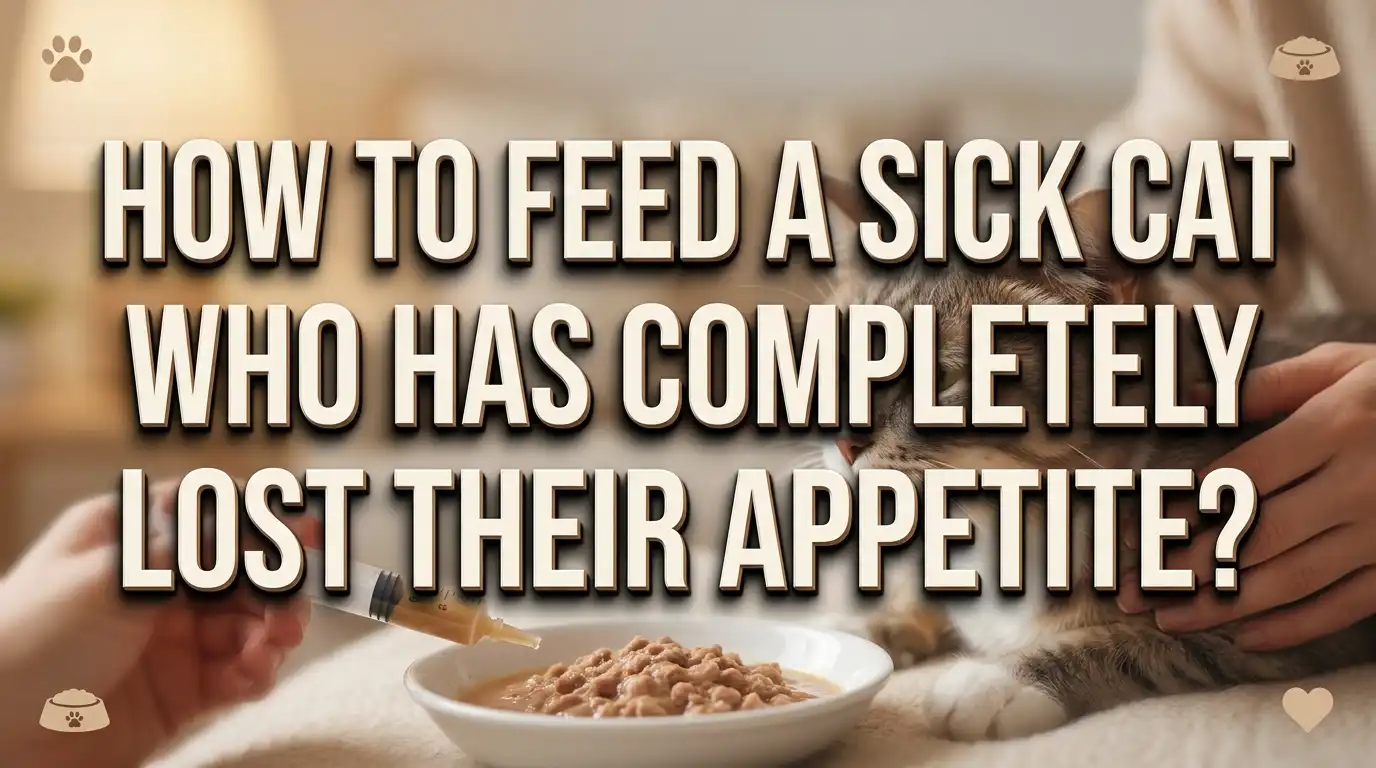
Syringe feeding becomes necessary when your cat refuses all solid food. Your veterinarian can show you the proper technique and recommend appropriate liquid diets. Fill a syringe with lukewarm liquid food or broth. Gently insert the syringe tip into the side of your cat’s mouth, between the teeth and cheek.
Squirt small amounts slowly to allow your cat to swallow. Never force food down the throat, as this causes choking or aspiration. Feed only what your cat accepts comfortably. Most cats need 3 to 4 syringe feeding sessions daily.
Both methods work best in quiet environments away from other pets. Your cat’s comfort matters more than the amount eaten. If your cat refuses both hand feeding and syringe feeding for more than 24 hours, contact your veterinarian immediately. Your vet may recommend alternative feeding methods or prescribe appetite stimulants to help your cat recover.
Creating a Calm Feeding Environment
A calm feeding environment makes a huge difference for sick cats. Your cat’s stress levels directly affect whether they’ll eat, so location matters just as much as the food itself.
Choose a quiet room away from other pets and household noise. Sick cats feel vulnerable and need privacy to eat comfortably. A bathroom or bedroom works well because these spaces are typically quieter than kitchens. Keep the area dimly lit if possible, as bright lights can overwhelm a sick cat.
Remove food and water bowls from high traffic areas. Your cat shouldn’t have to navigate around family members or other animals to reach their meal. Place the bowls on a washable mat to contain spills and make cleanup easy.
Temperature of the space matters too. Keep the room warm but not hot. Sick cats lose body heat easily, so a slightly warmer environment helps them feel more comfortable during feeding time.
Minimize distractions during meals. Turn off loud appliances and keep the television volume low. Some cats eat better with soft background sounds, but sudden noises startle them and interrupt eating.
Timing is important as well. Feed your cat during calm moments when your household is quiet. Early morning or late evening often works better than midday when activity peaks.
Leave your cat alone while eating unless they need hand feeding. Hovering or watching too closely creates anxiety. Your cat will eat better when they don’t feel observed or pressured.
Check that the food and water bowls are clean. Sick cats are sensitive to odors and taste changes. Wash bowls daily and use separate containers for food and water.
A peaceful feeding space removes barriers to eating. Your cat can focus on food rather than stress when their environment feels safe and calm.
Common Feeding Mistakes That Slow Recovery
Many cat owners accidentally delay their pet’s recovery by making simple feeding mistakes. Understanding what not to do is just as important as knowing the right approach.
Offering food that is too cold slows down your cat’s interest in eating. Sick cats have reduced appetite already, and cold food makes it even less appealing. Always warm the food to body temperature before serving. A few seconds in the microwave or mixing in warm water helps significantly.
Feeding large portions at once overwhelms a sick cat’s digestive system. Your cat’s stomach is already struggling, and a big meal can cause vomiting or make nausea worse. Stick to tiny amounts spread throughout the day instead.
Using seasoned or rich broths causes problems too. Many store bought broths contain salt, garlic, onion, or other ingredients that upset a sick cat’s stomach. Plain, unseasoned bone broth or simple chicken broth without additives is the only safe option.
Skipping meals because your cat refuses food is a critical error. Some owners think their cat needs a break from eating, but this actually weakens their recovery. Keep offering small portions regularly, even if your cat refuses most of them.
Feeding in noisy or stressful areas makes appetite loss worse. A busy kitchen or room near other pets increases stress and reduces eating interest. Your sick cat needs a quiet, peaceful space to feel comfortable enough to eat.
Waiting too long to seek help is perhaps the biggest mistake. If your cat refuses all food and water for more than 24 hours, contact your veterinarian immediately. Early intervention prevents serious complications and speeds recovery.
Monitoring Recovery and Knowing When to Escalate Care
Your sick cat’s recovery depends on knowing when to step up your care efforts. Watch for specific warning signs that mean your cat needs immediate veterinary attention.
The 24 hour rule is your most important guideline. If your cat refuses both food and water for more than 24 hours, contact your veterinarian right away. This timeframe matters because cats can develop serious liver problems quickly when they stop eating.
Pay attention to other symptoms alongside appetite loss. Vomiting, diarrhea, lethargy, or difficulty breathing all require veterinary care. Cats hiding or showing signs of pain also need professional evaluation. These signs suggest your cat’s illness is more serious than simple appetite loss.
Monitor your cat’s weight and energy levels daily. Weigh your cat if possible and compare it to their normal weight. A loss of even one pound matters significantly for cats. Your veterinarian needs this information to guide treatment decisions.
Your vet may recommend appetite stimulants if your cat continues refusing food. These medications can help restart eating behavior. Your vet might also suggest syringe feeding a liquid diet if your cat won’t eat solid food at all.
Keep detailed notes about what your cat eats and drinks each day. Record the time, amount, and your cat’s behavior. Share this information with your veterinarian at your appointment.
Don’t wait hoping your cat will improve on their own. Sick cats often need professional intervention to recover safely. Your vet can run blood tests to identify the underlying illness causing appetite loss. Early treatment gives your cat the best chance at a full recovery. Trust your instincts and call your vet when something feels wrong.
Final Thoughts
Feeding a sick cat with no appetite takes patience and love. Your cat depends on you to notice the small signs and act fast.
Small steps make a big difference. Warm bland foods, quiet spaces, and frequent tiny meals all support your cat’s healing process.
Never force your cat to eat large amounts at once. This only adds stress and can lead to more vomiting or refusal.
Trust your instincts as a pet parent. You know your cat better than anyone else. If something feels wrong, it probably is.
The 24 hour rule protects your cat from serious complications. Dehydration and organ stress can happen quickly when cats stop eating.
Always keep your vet involved in this process. They can check for underlying illness and adjust your feeding plan as needed.
Syringe feeding and hand feeding are temporary tools. They help your cat get through a rough patch until natural appetite returns.
Don’t feel guilty if progress feels slow. Sick cats often need several days to fully recover their interest in food.
Celebrate small wins along the way. Even a few licks of broth or a bite of chicken counts as real progress.
Keep a simple log of what your cat eats each day. This helps you and your vet spot patterns quickly.
Your calm energy matters just as much as the food you offer. Cats sense stress, so staying relaxed helps them feel safe enough to eat.
With the right approach, most cats bounce back within a few days. Stay consistent, stay patient, and lean on your vet for support.
Your care today shapes your cat’s recovery tomorrow. Small, thoughtful actions add up to a big impact on their healing journey.
Frequently Asked Questions
Why is my sick cat not eating anything?
Appetite loss signals an underlying health problem. Your cat may have an infection, digestive issue, or other illness causing nausea or pain. Immediate veterinary care is essential to identify the cause. Never assume your cat will bounce back on their own. The longer your cat goes without eating, the weaker they become.
What foods should I offer to a cat with no appetite?
Stick to bland, easy to digest options. Boiled white skinless chicken works best as a first choice. Plain cooked chicken without seasoning is also safe. Unseasoned bone broth or chicken broth can tempt your cat to eat something.
Warm these foods slightly before serving. Heat increases the smell and makes food more appealing. Mix warm water into canned food to create a softer texture. Avoid all seasonings, garlic, onions, and rich ingredients.
How often should I feed my sick cat?
Offer small portions frequently instead of one large meal. Feed 3 to 4 times daily in tiny amounts. Small meals are easier on a weak digestive system. Your cat’s stomach cannot handle normal portion sizes during illness.
What should I do if my cat refuses food for more than 24 hours?
Contact your veterinarian immediately. This is the critical 24 hour rule. Your vet may prescribe appetite stimulants to help. Syringe feeding might become necessary to deliver nutrition directly.
Do not wait and hope your cat improves. Extended starvation causes serious complications. Your vet has tools and medications to help your cat eat again.
Can I hand feed or syringe feed my sick cat?
Yes, both methods work when your cat refuses regular meals. Hand feeding lets you offer food directly from your fingers. Syringe feeding delivers liquid nutrition without forcing your cat to chew.
Ask your vet to demonstrate proper syringe feeding technique. These are temporary solutions while your cat recovers. Patience and gentleness matter most during this process.