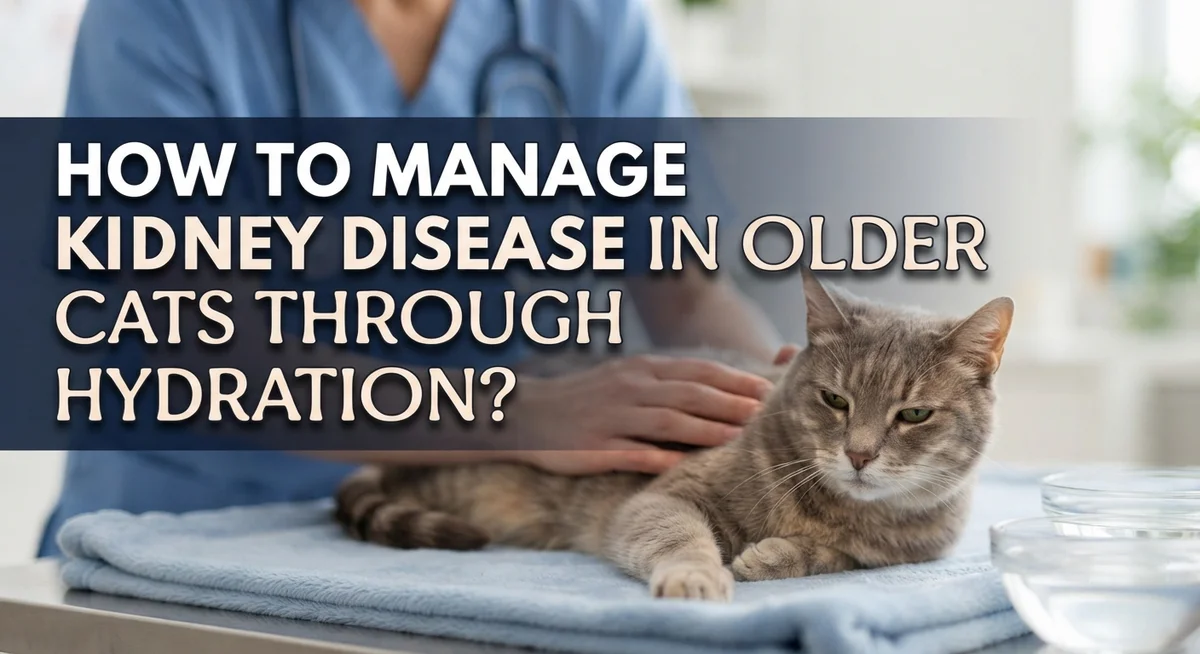
How to Manage Chronic Kidney Disease in Older Cats Through Hydration?
Watching your senior cat slow down can feel scary. If your vet mentioned kidney disease, you probably have many questions right now.
Chronic Kidney Disease, or CKD, affects many older cats. It happens when kidneys lose their ability to filter waste properly.
Dehydration is a major trigger for faster kidney damage. When cats don’t drink enough, their kidneys work harder and get more stressed.
The good news? You have real power here. Simple hydration changes can protect your cat’s kidney function and improve daily comfort.
This article explains how water intake affects CKD progression in cats. You’ll learn why hydration matters so much for kidney health.
We’ll cover practical ways to boost your cat’s water consumption naturally. You’ll discover food choices that add moisture to every meal.
In a Nutshell
- Water intake protects kidney function. Dehydration speeds up kidney damage and makes your cat feel worse. Keeping fluids up is one of the best things you can do.
- Wet food beats dry food for CKD cats. Canned foods carry much more water than dry kibble. This simple switch supports better hydration all day long.
- Fresh water access matters everywhere. Place multiple water bowls around your home. Your cat will drink more when water is easy to find.
- Your vet guides the right hydration plan. Every cat’s needs differ based on their CKD stage. A vet visit helps you set the correct water intake goals.
- Avoid the dry food only trap. Many owners stick with dry food out of habit. This mistake can quietly worsen kidney disease over time.
- Small daily habits create big results. Consistent hydration efforts help maintain your cat’s quality of life. Simple changes now can slow disease progression later.
Understanding Chronic Kidney Disease and the Role of Hydration
Your older cat’s kidneys filter waste from the blood. When kidney function declines, harmful substances build up in their body. This is chronic kidney disease, and it affects many senior cats.
Dehydration makes this process worse. When your cat doesn’t drink enough water, their kidneys have to work harder. The remaining kidney function deteriorates faster. Your cat may feel more tired, lose appetite, and experience nausea.
Water does something powerful for CKD cats. It helps flush out waste products that damaged kidneys struggle to remove. Adequate hydration keeps the remaining kidney tissue functioning as long as possible.
Think of it this way: your cat’s kidneys are like a filtering system. When water flows through regularly, waste moves out efficiently. Without enough water, waste accumulates and damages the system further.
The key difference between CKD stages often comes down to hydration. A cat in early stage CKD with excellent water intake may stay stable for years. The same cat without proper hydration might progress to advanced stages quickly.
Your cat cannot tell you when they’re thirsty. Many older cats naturally drink less water than they need. This is why you must take an active role in encouraging water consumption.
Hydration also helps your cat feel better day to day. Proper water intake reduces nausea, maintains appetite, and supports energy levels. Your senior cat stays more comfortable and engaged with family life.
This is why your vet emphasizes hydration so strongly. It’s not about curing CKD. It’s about slowing progression and improving your cat’s quality of life through supportive care. Water becomes your most important tool in managing your cat’s condition.
Signs Your Senior Cat May Be Dehydrated
Your senior cat may show several clear signs that they’re not getting enough water. Recognizing these signals helps you act fast and prevent kidney damage from speeding up.
Excessive thirst combined with frequent urination is one of the most common indicators. Your cat might visit the water bowl more often than usual, yet still seem dehydrated. This happens because damaged kidneys lose their ability to concentrate urine properly.
Dry mouth and sticky gums suggest your cat needs more fluids. Gently lift your cat’s lip and check the gum color. Healthy gums feel moist and pink. Pale or dry gums mean your cat is losing water faster than they’re replacing it.
Lethargy and weakness often accompany dehydration in older cats. Your cat may sleep more than usual or show less interest in playing. They might move slowly or seem tired even after resting.
Sunken eyes are a reliable physical sign. A well hydrated cat has eyes that sit normally in their sockets. Dehydrated cats develop a slightly sunken appearance around the eye area.
Loss of skin elasticity reveals internal fluid loss. Gently pull the skin on your cat’s neck or shoulder. In a hydrated cat, skin snaps back quickly. Dehydrated cats show slower skin return to normal position.
Poor appetite and weight loss often follow dehydration. Your cat may eat less because they feel unwell. This creates a difficult cycle where reduced food intake means less water consumption too.
Constipation happens when your cat lacks sufficient body fluids. Hard, dry stools indicate your cat needs more water intake.
Watch for any combination of these signs. Contact your veterinarian immediately if you notice multiple symptoms together.
Step-by-Step: Building a Hydration Routine for Your CKD Cat
Start by setting a consistent daily schedule for water and food offerings. Your cat responds better to routine, so aim for the same times each day. This helps you track your cat’s drinking habits and spot changes quickly.
Place water bowls in multiple locations throughout your home. Cats often prefer water away from their food area, so experiment with different spots. Some cats drink more when water sits in quiet corners rather than busy kitchen spaces.
Offer wet food at least once daily, preferably twice. Wet food provides significant water content that supplements what your cat drinks directly. Mix a small amount of water into wet food to increase hydration even further.
Invest in a clean water bowl and refresh the water twice daily. Stale water discourages drinking. Some cats prefer running water, so observe your cat’s preferences and adjust accordingly.
Monitor your cat’s water intake by noting how much they drink each day. Keep a simple log or mental note of patterns. This information helps your vet assess whether your cat needs additional support like subcutaneous fluids.
Coordinate with your vet about the right fluid volume for your cat’s specific CKD stage. Your vet may recommend a target amount based on your cat’s weight and kidney function. Never guess at quantities, as individual needs vary significantly.
Create reminders on your phone for water bowl refills and feeding times. Consistency matters more than perfection. Your cat’s body functions better when hydration stays steady throughout the day and week.
Watch for signs that your routine is working. Improved energy, better appetite, and healthier coat condition suggest your hydration plan succeeds. Adjust as needed based on your vet’s guidance and your cat’s response.
Choosing Wet Foods and Water-Rich Diet Strategies
Wet foods are your best friend when managing chronic kidney disease in older cats. These foods contain significantly more moisture than dry kibble, which means your cat gets extra fluids with every meal.
Canned and wet options typically contain 70 to 80 percent water content. This high moisture level helps your cat stay hydrated without requiring them to drink from a bowl. Many senior cats with CKD simply don’t drink enough water on their own, so getting fluids through food is essential.
When choosing wet foods, look for options specifically formulated for kidney support. These foods are lower in phosphorus and protein while maintaining the hydration your cat needs. Your veterinarian can recommend formulas that match your cat’s specific CKD stage.
A practical water-rich diet strategy involves mixing additional water or low-sodium broth into your cat’s wet food. This increases the fluid content even more and makes meals more appealing to cats with reduced appetite. Some cats prefer slightly warmed food, which can also encourage them to eat more.
Feed wet food at least once daily, ideally twice. This gives your cat multiple opportunities to consume moisture throughout the day. You can also leave small portions of wet food available between regular meals if your cat grazes.
Combine wet food feeding with fresh water bowls placed in different rooms. Some cats prefer running water, so consider offering water from various sources. Track how much your cat eats and drinks each day, then share these observations with your vet.
This approach ensures your older cat receives consistent hydration support, which slows kidney disease progression and improves their overall comfort and quality of life.
Tips to Encourage Increased Water Intake
Water fountains can be highly effective tools for encouraging your older cat to drink more. Many cats prefer running water because it mimics natural water sources they instinctively trust. The movement and sound of flowing water often trigger their drinking instinct more powerfully than still water in a bowl.
Position water fountains in quiet, low traffic areas away from litter boxes. Cats naturally avoid drinking near their bathroom spaces. Place fountains in rooms where your cat spends the most time, such as bedrooms or living areas.
Keep fountains clean and refill them daily. Dirty fountains discourage drinking and can harbor bacteria. Regular maintenance ensures your cat will actually use them.
Some cats respond well to different water temperatures. Experiment with room temperature water and slightly cooler options to see what your cat prefers. Observe which temperature they drink from most frequently.
Combine fountain use with other hydration strategies for best results. Place traditional water bowls in additional locations while also using fountains. This gives your cat multiple drinking options throughout the day.
Wet food remains the most reliable hydration method, but fountains work as an excellent supplement. Your cat may drink from both sources, significantly boosting their overall fluid intake.
Monitor how much water your cat drinks from fountains daily. Track changes in their drinking habits and energy levels. Share these observations with your veterinarian during check ups.
Some older cats need encouragement to approach new fountains. Place one near their favorite resting spot initially. Allow them time to investigate and become comfortable with the new water source before moving it to a permanent location.
Common Mistakes That Undermine Hydration Efforts
Many cat owners accidentally make choices that reduce their cat’s water intake without realizing it. Understanding these common mistakes helps you protect your older cat’s kidney health.
The biggest mistake is relying too heavily on dry food. Dry kibble contains only 10 percent water or less. When your cat eats primarily dry food, they miss out on crucial moisture. Their kidneys must work harder to concentrate urine, which speeds up kidney damage. Switching to wet food is one of the most effective changes you can make.
Another frequent error is neglecting water bowl placement. If the bowl sits next to the litter box, your cat may avoid drinking entirely. Cats naturally prefer to eat and drink away from their bathroom areas. Move water bowls to quiet spots in different rooms to encourage more sipping throughout the day.
Some owners forget to refresh water regularly. Stale water tastes unpleasant to cats. They drink less from bowls that have been sitting for hours. Changing the water twice daily keeps it fresh and appealing.
Ignoring your cat’s individual preferences is another trap. Some cats prefer running water. Others like water at room temperature rather than cold. Your cat may refuse water from a plastic bowl but drink happily from ceramic. Pay attention to what works for your specific pet.
Not monitoring actual water intake is equally problematic. You cannot adjust your strategy if you do not know how much your cat drinks. Track their consumption daily so you notice changes early.
Finally, skipping veterinary guidance leads many owners astray. Your vet determines the right fluid volume based on your cat’s kidney stage and overall health. Work closely with them to create a hydration plan that matches your cat’s needs.
Troubleshooting: When Your Cat Refuses Water or Wet Food
When your older cat refuses water or wet food, this creates a serious challenge for managing chronic kidney disease. Dehydration accelerates kidney damage, so addressing refusal becomes critical to your cat’s health.
Start by identifying why your cat is refusing. Some cats develop taste aversions due to kidney disease itself. Others dislike the food temperature or texture. Your cat might also have dental pain making eating uncomfortable. A veterinary exam helps rule out underlying issues causing the refusal.
Try warming wet food slightly before serving. Many older cats prefer warmer meals that smell more appealing. Heat releases food aromas, which can trigger eating interest in cats with reduced appetite.
Offer variety in flavors and textures. Some cats respond better to pate style foods while others prefer chunky varieties. Rotating between different options helps prevent boredom and food fatigue.
Add water or low sodium broth gradually to foods your cat previously enjoyed. Start with small amounts mixed in. Increase the liquid content slowly so your cat adjusts without noticing dramatic changes.
Consider hand feeding or placing food closer to your cat’s resting area. Older cats sometimes lack energy to walk to food bowls. Bringing meals closer reduces effort needed.
If your cat refuses all wet food, ask your veterinarian about appetite stimulants or alternative hydration methods. Some cats benefit from subcutaneous fluids administered at home. Your vet can teach you this technique.
Never force feed your cat or create negative associations with meals. Patience and gentle persistence work better than pressure. Keep trying different approaches while monitoring your cat’s overall condition closely with your veterinary team.
Working With Your Veterinarian on a Hydration Plan
Your veterinarian plays a critical role in creating a hydration plan that works for your specific cat. This plan should be tailored to your cat’s stage of kidney disease, overall health, and individual needs.
Start by discussing your cat’s current water intake with your vet. They will ask about drinking habits, urine output, and any changes you’ve noticed. Be honest about what your cat actually consumes daily. This information helps your vet assess whether dehydration is occurring.
Your veterinarian will recommend a target water intake based on your cat’s weight and kidney function. They may suggest specific daily amounts or monitor progress through blood work and physical exams. This guidance prevents you from guessing or making assumptions about what’s enough.
Ask your vet about the best food options for your cat’s situation. Some cats need prescription kidney diet formulas, while others do well with standard wet foods. Your vet knows which approach matches your cat’s preferences and health status.
Discuss how often you should monitor your cat’s hydration. Your vet may want you to track water intake, observe your cat’s appetite, or watch for signs of dehydration like dry gums or lethargy. Regular check ins help catch problems early.
Request clear instructions on what to do if your cat refuses water or food. Your vet can recommend appetite stimulants, alternative feeding methods, or adjustments to the hydration plan. They may also suggest blood work intervals to measure kidney function changes.
Finally, establish a schedule for follow up visits. Your vet needs to reassess the plan regularly as your cat’s condition changes. This partnership ensures your cat receives appropriate care throughout their kidney disease journey.
Final Thoughts
Managing chronic kidney disease in older cats comes down to one key focus. Hydration protects kidney function and slows disease progression.
Small daily habits make a big difference. Adding wet food, monitoring water intake, and creating a cat friendly environment all support your cat’s kidneys.
Your role as an owner matters greatly here. You notice changes in behavior or appetite before anyone else does.
Chronic kidney disease cannot be cured. But it can be managed well with consistent care and attention.
Every cat responds differently to hydration strategies. What works for one cat may not work for another cat.
Patience and flexibility help you find the right approach. Keep trying new methods when old ones stop working.
Your veterinarian remains your best resource throughout this process. Regular checkups help track kidney function and adjust treatment plans.
Never hesitate to reach out with questions or concerns. Early communication prevents small problems from becoming big ones.
Remember that quality of life matters most. A well hydrated cat feels better and stays more active.
Watch for subtle signs your cat needs extra support. Changes in litter box habits or energy levels often signal hydration issues.
Celebrate small wins along the way. Getting your cat to drink more water is a real accomplishment.
Chronic kidney disease management is a long term commitment. But consistent hydration efforts truly extend your cat’s comfort and happiness.
Stay informed about your cat’s specific needs. Kidney disease affects each cat differently based on stage and overall health.
With dedication and the right support system, older cats with kidney disease can enjoy many comfortable years. Your daily hydration efforts genuinely make that possible.
Frequently Asked Questions
Why is hydration so important for cats with chronic kidney disease?
Dehydration makes kidney disease worse and faster. When your cat doesn’t drink enough water, the kidneys have to work harder to filter waste. This speeds up kidney damage and increases clinical signs like vomiting and lethargy.
Water helps flush toxins from the body. Proper hydration slows disease progression and keeps your cat more comfortable. Think of water as a protective tool for your cat’s remaining kidney function.
What’s the best way to increase my cat’s water intake?
Wet and canned foods contain high water content. These are your first choice because they deliver hydration through meals. Your cat gets fluids without having to drink from a bowl.
You can also add water or low sodium broth to your cat’s regular food. Some cats respond well to water fountains since moving water attracts them. Offer multiple water bowls around your home so your cat has easy access.
How much water should my older cat drink daily?
The amount depends on your cat’s weight and kidney function stage. Your veterinarian will give you a specific target based on blood work and urine tests. Every cat is different, so avoid guessing.
Ask your vet for a clear number. Then track your cat’s intake to see if you’re meeting that goal. Your vet may adjust the target as your cat’s condition changes.
What happens if my cat won’t drink enough water?
Talk to your veterinarian immediately. Your vet can explore other options like appetite stimulants or subcutaneous fluids. Never force your cat to drink, as this creates stress and negative associations with water.
Your vet might recommend injectable fluids at home or in the clinic. These bypass the drinking problem and deliver hydration directly. Work closely with your vet to find what works for your cat.