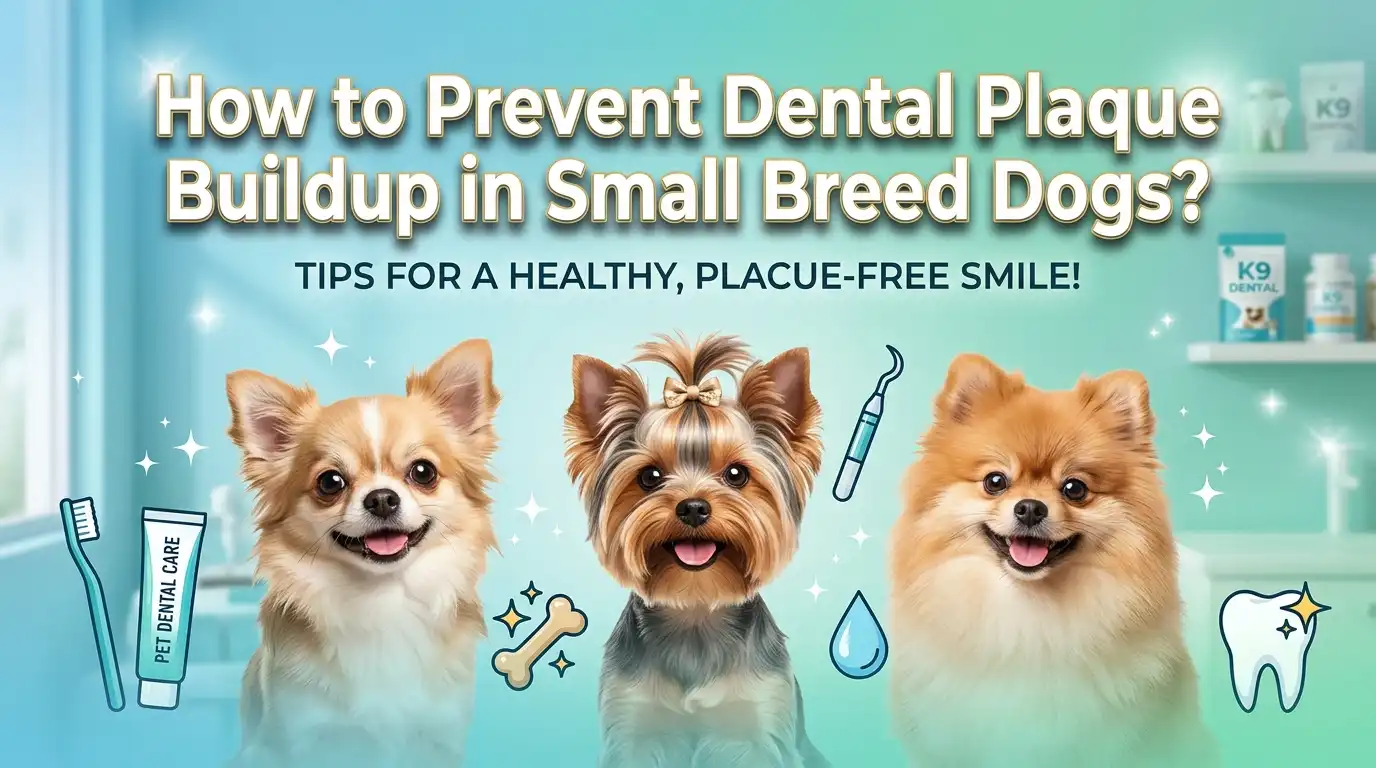
How to Prevent Dental Plaque Buildup in Small Breed Dogs?
Does your small dog have bad breath that could clear a room? That smell is often the first clue that dental plaque is building up fast. Small breed dogs are five times more likely to develop periodontal disease than large breeds, according to research published by the Waltham Institute.
The good news is that most dental problems in small dogs are completely preventable. You do not need to spend a fortune or stress your dog out to keep their teeth clean. With the right habits, the right tools, and a little consistency, you can dramatically reduce plaque buildup and protect your dog’s long-term health.
This guide walks you through every step, from understanding why your small dog is at risk to building a daily dental care routine that actually works.
In a Nutshell
- Small breed dogs face a much higher risk of dental plaque and gum disease because their teeth are crowded into small jaws, leaving narrow gaps where bacteria and food particles collect easily. Research confirms that extra-small breeds are up to five times more likely to be diagnosed with periodontal disease than giant breeds.
- Plaque hardens into tartar within just 24 hours if it is not removed. Once plaque becomes tartar, it bonds to the tooth surface and can only be removed by a veterinarian during a professional cleaning under anesthesia.
- Daily tooth brushing is the single most effective prevention method available to dog owners. Even brushing two to three times per week makes a significant difference in reducing plaque accumulation and the risk of gum disease.
- A combination approach works best. Brushing alone is helpful, but combining it with dental chews, water additives, dental-friendly diet choices, and regular vet checkups creates a much stronger defense against plaque buildup.
- Early signs of dental disease in small dogs are easy to miss. Bad breath, yellow or brown deposits near the gumline, reluctance to chew, and pawing at the mouth are all warning signs that dental plaque may already be causing damage.
- Professional dental cleanings every six to nine months are recommended for small breeds, compared to once a year for larger dogs, because of their elevated risk and faster rate of plaque accumulation.
Why Small Breed Dogs Are More Prone to Dental Plaque?
Before you can prevent the problem, it helps to understand exactly why small dogs are so vulnerable to dental plaque. The answer starts with anatomy. All dogs, regardless of size, grow a full set of 42 adult teeth. A Chihuahua, a Maltese, and a German Shepherd all have the same number of teeth. The difference is that a Chihuahua has to fit those 42 teeth into a jaw that is a fraction of the size of a Shepherd’s jaw.
This crowding creates tight, overlapping spaces between teeth that are nearly impossible to clean thoroughly. Food particles and saliva get trapped in those gaps, and the bacteria already present in every dog’s mouth begin feeding on those particles. The result is a sticky, colorless film called plaque that coats the tooth surfaces and the gumline.
Plaque itself is soft and relatively easy to remove through brushing. The problem is timing. If plaque sits on the tooth surface for more than 24 hours, it begins to absorb minerals from saliva and hardens into a substance called tartar, also known as dental calculus. Tartar is rough, porous, and yellow to brown in color. It clings tightly to teeth and creates an even rougher surface where more bacteria can thrive.
Beyond the crowding issue, small breeds also tend to live longer than large breeds. A Toy Poodle may live 14 to 16 years or more. That is many more years of plaque accumulation, which is another reason their lifetime dental care matters so much.
Understanding the Difference Between Plaque and Tartar
Many dog owners use the words plaque and tartar interchangeably, but they are very different things. Understanding the difference is key to choosing the right prevention strategy.
Plaque is a soft, sticky, colorless bacterial biofilm that forms on the surface of your dog’s teeth every single day. It starts forming within hours of eating as food debris, bacteria, and saliva mix together on the tooth surface. At this stage, plaque can be physically disrupted and removed through brushing, chewing, or dental wipes.
Tartar is what plaque becomes when it is not removed. Within 24 hours, plaque begins combining with calcium and phosphate salts naturally found in saliva. Over the next few days, it mineralizes and hardens into tartar. Tartar is yellow or brown, rough to the touch, and firmly bonded to the tooth surface. Unlike plaque, tartar cannot be removed by brushing at home. It requires professional dental instruments.
Tartar is harmful in two major ways. First, it creates a rough surface that makes it even easier for new plaque to accumulate. Second, it traps bacteria along the gumline, which causes inflammation, bleeding gums, and eventually periodontal disease. In small dogs, this process happens faster and with more intensity due to crowded teeth.
The takeaway is simple: prevent plaque daily, and you automatically prevent tartar. Prevention costs far less than treatment and causes far less discomfort for your dog.
Recognizing the Early Warning Signs of Dental Problems
One of the biggest challenges with dental disease in small dogs is that it often develops silently. Dogs are instinctively wired to hide pain, so your dog may be experiencing significant oral discomfort without showing obvious signs. Knowing what to look for helps you catch problems early, when they are easiest to address.
Bad breath is usually the first and most obvious sign. While a dog’s breath is never going to smell minty fresh, a strong, persistent foul odor that smells distinctly rotten or sulfurous is not normal. It signals a high bacterial load in the mouth, which typically means plaque and tartar are building up.
Watch for visual changes around the teeth and gums. A healthy dog’s gums should be pink, firm, and tight against the teeth. Red, swollen, or puffy gums indicate gingivitis, which is the earliest stage of gum disease. You may also notice yellow or brown deposits accumulating near the gumline, especially on the back upper teeth.
Other warning signs include:
- Dropping food while eating or showing reluctance to chew hard kibble
- Excessive drooling or one-sided chewing
- Pawing at the mouth or rubbing the face against furniture
- Loose teeth or visible tooth loss
- Swelling around the jaw or below the eyes
If you notice any of these signs in your small dog, schedule a veterinary appointment promptly. Early intervention prevents minor gum inflammation from progressing into painful tooth loss and bone damage.
Starting a Daily Tooth Brushing Routine
Tooth brushing is the most evidence-based, most effective home care strategy for preventing dental plaque in dogs. Every major veterinary organization, including the American Veterinary Medical Association and VCA Animal Hospitals, confirms that daily brushing is the gold standard in canine dental care.
The biggest obstacle most dog owners face is getting their dog comfortable with the process. The good news is that with patience and the right approach, most small dogs can learn to tolerate and even enjoy tooth brushing. Here is a step-by-step process for introducing brushing:
Step 1: Choose the right tools. Use a soft-bristled toothbrush sized for small dogs, or a finger brush that fits over your index finger. Never use human toothpaste. Human toothpaste contains xylitol and fluoride, both of which are toxic to dogs. Use only dog-safe enzymatic toothpaste, which comes in flavors like chicken, beef, or peanut butter to make the experience more appealing.
Step 2: Start with taste. Let your dog lick the toothpaste off your finger for several days before introducing any brushing motion. This helps your dog associate the process with something positive and tasty.
Step 3: Touch the teeth and gums. Once your dog is comfortable with the toothpaste, begin rubbing your finger along the outer surfaces of the teeth and gumline. Do this gently for a few seconds at a time and reward your dog immediately afterward.
Step 4: Introduce the toothbrush. Place a small amount of toothpaste on the brush. Focus on the outer surfaces of the teeth, particularly the upper back teeth where tartar tends to accumulate fastest. Use small circular motions along the gumline.
Step 5: Build up gradually. Begin with just 30 seconds per session and gradually increase the duration as your dog becomes more comfortable. Aim for a full two-minute brushing session once you are both in the routine.
Reward your dog generously with praise and a small treat after every session. Consistency matters more than perfection. Brushing three to four times per week will meaningfully reduce plaque compared to doing nothing at all.
Choosing the Right Toothbrush and Toothpaste for Small Dogs
The tools you use matter as much as the technique. Not all toothbrushes and toothpastes are equal, and choosing the right ones for a small dog makes the process safer and more effective.
For small breed dogs, a finger brush often works better than a traditional toothbrush. A finger brush is a small silicone cap that fits over your fingertip and has soft rubber bristles. It gives you much better control and allows you to feel what you are doing, which is especially useful in a tiny mouth. Some owners prefer a small-headed dog toothbrush with angled bristles that make it easier to reach the back teeth.
When selecting toothpaste, always look for enzymatic formulas. Enzymatic toothpaste contains glucose oxidase and other enzymes that actively break down bacterial biofilm, even in areas the brush does not fully reach. These enzymes keep working after you finish brushing, providing continued plaque-fighting action through saliva.
Common safe ingredients to look for in dog toothpaste include poultry flavor, mint-free flavor options for sensitive dogs, and antibacterial agents like chlorhexidine. Avoid any toothpaste containing xylitol, sodium fluoride, or artificial sweeteners.
Look for products that carry the Veterinary Oral Health Council (VOHC) seal of acceptance. The VOHC is the dental equivalent of the American Dental Association for pets. Products bearing the VOHC seal have been independently tested and proven to reduce plaque or tartar in clinical trials. This seal takes the guesswork out of choosing effective dental care products.
Using Dental Chews Effectively
Dental chews are a popular and practical supplement to brushing, especially for dogs who resist toothbrush contact. They work through a simple mechanical action: as your dog gnaws and chews, the texture of the chew physically scrubs the tooth surface and disrupts plaque.
However, not all dental chews are equally effective, and some are not appropriate for small dogs at all. Here is how to use them the right way:
Always choose a chew sized specifically for small or toy breeds. A chew that is too large can cause jaw strain or become a choking hazard. Many brands offer size-specific options labeled for dogs under 10 pounds, under 25 pounds, and so on. Always match the chew to your dog’s weight range.
Look for the VOHC seal when choosing dental chews. The VOHC independently verifies that a product actually reduces plaque or tartar in controlled studies. Many popular dental chew brands carry this seal, which means they have been scientifically proven to work. Without this seal, a chew may still be safe and enjoyable for your dog, but there is no verified evidence of its plaque-fighting effectiveness.
Some dental chews contain enzymes or active ingredients like green tea extract, seaweed-derived compounds, or chlorophyll that further help reduce bacterial populations in the mouth. Enzymatic dental chews are generally considered more effective than plain texture-based chews because they work on a chemical level, not just a mechanical one.
Give your dog one dental chew per day, ideally after a meal when plaque has already begun forming. Supervise your dog while they chew, particularly if they tend to gulp large pieces quickly. While dental chews help, they are most effective when used alongside brushing, not instead of it.
Adding Dental Water Additives to Their Drinking Water
Dental water additives are one of the easiest plaque prevention tools available because they require almost no effort once they are set up. You simply add the recommended amount to your dog’s fresh drinking water each day, and the formula goes to work as your dog drinks normally.
Research published in scientific journals, including a study from PMC, has shown that certain water additives can meaningfully reduce dental plaque and improve gingival health in dogs. One study specifically found that a water additive containing pomegranate extract reduced dental deposit accumulation and improved gum health in dogs over a testing period.
How water additives work: Most formulas contain antibacterial agents, enzymes, or pH-altering compounds. Some work by changing the saliva’s pH level, making the oral environment less hospitable for plaque-forming bacteria. Others contain chlorhexidine, cetylpyridinium chloride, or zinc compounds that directly target bacterial populations.
Water additives should be odorless and tasteless so that they do not deter your dog from drinking. If you notice your small dog drinking less water after adding a dental additive, stop using that formula and try a different brand. Staying hydrated is always more important than any dental supplement.
Look for VOHC-accepted water additives for the best results. Change the water and add a fresh dose each day. Do not mix the additive into flavored drinks or broth, as some additives may interact with food ingredients. Water additives work best as a complement to brushing, providing an additional layer of antibacterial action throughout the day.
Feeding a Dental Health-Supportive Diet
What your small dog eats directly influences how quickly plaque forms and how aggressively it accumulates. Diet plays a surprisingly important role in dental health, and making smart food choices can reduce plaque significantly over time.
Dry kibble is generally better for dental health than wet food. The mechanical chewing required to break down dry kibble creates a mild abrasive effect on the tooth surface. Wet food, on the other hand, is soft and sticky. It clings to the teeth and gumline and provides an ideal environment for bacteria to feed and multiply. This does not mean you cannot feed wet food, but if your small dog eats primarily wet food, you need to be especially consistent with brushing.
Specialized dental diet dog foods take this a step further. Several veterinary dental diets, including those from Hills Science Diet and Royal Canin, are clinically formulated to reduce plaque and tartar accumulation. These kibble pieces are designed with a specific fiber matrix that does not shatter immediately on biting. Instead, the tooth sinks into the kibble, which wraps around the tooth and scrubs plaque off as the dog chews.
Foods rich in certain natural compounds may also support oral health. Kelp and seaweed-derived products, for example, have been shown to contain compounds that inhibit bacterial enzymes involved in plaque formation.
Avoid feeding your dog excessive amounts of starchy, sticky, or sugary treats. These foods leave residue on teeth that bacteria rapidly ferment into acids, accelerating plaque growth. When giving treats, choose firm, crunchy options rather than soft, chewy ones.
Exploring Natural and Complementary Dental Care Options
Some dog owners prefer to supplement conventional dental care with natural remedies, and there are a few with genuine evidence behind them.
Coconut oil is one of the most commonly discussed natural dental care options for dogs. Coconut oil contains lauric acid, which has documented antibacterial properties. Applying a small amount of coconut oil to your finger or toothbrush and rubbing it along your dog’s teeth and gums may help reduce the bacterial load responsible for plaque formation. It will not replace brushing, but it can be a helpful addition, particularly for dogs who resist toothpaste.
Seaweed-based supplements, particularly those derived from Ascophyllum nodosum, have shown real promise in research. These naturally-occurring sea vegetables contain compounds that break down a specific enzyme bacteria use to adhere to tooth surfaces. When given daily as a food sprinkle, these supplements can reduce plaque and tartar accumulation over time.
Some owners also use dental sprays, which are applied directly to the teeth and gums. According to Cornell University’s College of Veterinary Medicine, dental sprays can help disrupt plaque buildup, though they work best when the formula reaches all tooth surfaces. Sprays are a good option for dogs who will not tolerate brushing, as they require minimal cooperation from the dog.
Fresh, raw carrots can serve as natural dental chews for some small dogs. The fibrous texture provides mild mechanical scrubbing, and carrots are low in calories. However, always supervise your dog with any raw vegetable, and cut carrots into small pieces appropriate for a tiny mouth to avoid choking.
Scheduling and Preparing for Professional Dental Cleanings
Home care is essential, but it has limits. Even the most dedicated owner cannot replicate what a veterinarian can do during a professional dental cleaning. Professional cleanings remove tartar that has already hardened onto tooth surfaces, probe for pockets of infection beneath the gumline, and allow the vet to thoroughly examine each tooth for cracks, decay, or signs of root disease.
For small breed dogs, veterinarians typically recommend professional dental cleanings every six to nine months. This is more frequent than the once-a-year recommendation for larger breeds. According to guidance from multiple veterinary sources, small breeds accumulate tartar faster and develop periodontal disease earlier in life, making more frequent professional care important.
Professional dental cleanings for dogs require general anesthesia. This is non-negotiable for a thorough and safe procedure. Anesthesia allows the vet to examine every surface of every tooth, probe the gumline, and use ultrasonic scaling equipment without causing stress or injury to the dog. While anesthesia always carries some risk, modern veterinary protocols make it very safe for healthy dogs.
Here is what you can do to prepare your dog for a dental cleaning visit:
- Schedule a pre-anesthetic blood panel before the procedure, especially for older small dogs, to check organ function.
- Follow your vet’s fasting instructions precisely, usually no food after midnight the night before.
- Let your vet know about any medications or supplements your dog is currently taking.
- Ask about post-procedure pain management options if extractions or deep cleaning are needed.
After the cleaning, continue your home care routine the next day to slow the return of plaque. Consistent home care between professional cleanings significantly extends the benefits of each procedure.
Building a Consistent Daily Dental Care Routine
The most effective dental care plan is one you can realistically stick to every day. Sporadic brushing and occasional dental treats will not keep plaque at bay in a small dog with crowded teeth. Consistency is what turns these individual strategies into real, lasting protection.
Here is a practical daily routine you can build around your existing schedule:
Morning: Add the recommended dose of dental water additive to your dog’s fresh water bowl. This takes about five seconds and works passively throughout the entire day as your dog drinks.
After meals: If your vet has confirmed that dental chews are appropriate for your dog’s size and health, give one VOHC-accepted dental chew after the largest meal of the day. This is when plaque is actively forming from meal residue, so a mechanical chew at this time is especially effective.
Evening: This is the best time for brushing. Your dog has finished eating for the day, and brushing before bedtime means plaque has less time to sit undisturbed on the teeth overnight. Keep the toothbrush and toothpaste in a visible, accessible spot so the routine becomes automatic.
Weekly: Do a quick visual inspection of your dog’s teeth and gums in good lighting. Look for any new yellow or brown discoloration, redness along the gumline, or areas your dog seems sensitive about.
Monthly: Note any changes in your dog’s eating habits, breath, or behavior that might suggest oral discomfort.
Keep a simple dental care log if you find it helpful. Write down when you brushed, what products you used, and any observations you made. This gives you valuable information to share at your vet visits and helps you track the effectiveness of your routine over time.
Common Mistakes Dog Owners Make with Dental Care
Even well-meaning dog owners make some common mistakes that accidentally undermine their dental care efforts. Knowing these pitfalls helps you avoid them.
Using human toothpaste is one of the most dangerous mistakes. Xylitol, an artificial sweetener found in many human toothpastes, is highly toxic to dogs and can cause rapid blood sugar drops and liver failure even in small amounts. Always use toothpaste formulated specifically for dogs.
Waiting too long to start dental care is another very common issue. Many owners assume dental care only becomes necessary when a dog is older or when problems are visible. In reality, plaque begins accumulating in puppyhood, and starting a dental care routine early makes the process much easier because young dogs are more adaptable. The Waltham Institute research recommends that small and medium-sized dogs have their first veterinary dental check at one year of age.
Relying solely on dental treats and chews without any brushing is also insufficient. Chews help, but they do not clean every surface of every tooth. The plaque that accumulates on the inside surfaces of teeth and deep along the gumline can only be disrupted by direct brushing or dental wiping.
Skipping professional cleanings due to cost or anesthesia concerns allows tartar and infection to progress silently. If cost is a barrier, discuss payment plans or pet dental insurance options with your vet. Many clinics offer wellness plans that spread the cost of routine care across the year.
Stopping home care after a professional cleaning is a mistake because plaque begins forming again immediately after the procedure. A professional cleaning gives you a fresh, clean slate. What you do at home after that cleaning determines how long those clean teeth stay clean.
Monitoring Progress and Adjusting Your Approach
Preventing dental plaque is not a one-and-done task. It is an ongoing process that you will refine over time based on what is working for your individual dog. Every small dog is different, and what works perfectly for a Chihuahua may need adjustment for a Dachshund or a Shih Tzu.
At each veterinary visit, ask your vet to assess your dog’s dental health and score the level of plaque and tartar present. Many vets use a standardized grading scale from zero to four to rate the severity of dental disease. If your dog’s score is improving or staying stable, your current routine is working well. If it is worsening despite consistent home care, your vet may recommend a change in products or an adjustment in professional cleaning frequency.
Take photos of your dog’s teeth monthly in good lighting to track visual changes over time. This gives you a useful baseline for comparison and can help you notice subtle changes that might otherwise go undetected until they become more serious.
Be willing to adapt. If your dog despises the toothbrush no matter how gradually you introduce it, try a finger brush instead, or move to dental wipes combined with water additives and chews. A combination of tools that your dog tolerates will always outperform a perfect tool that causes so much stress that you give up after a week.
Talk openly with your vet about your dog’s specific breed, age, and health history. Some small breeds, like Yorkies, Maltese, and Toy Poodles, have particularly high rates of early periodontal disease and may need more frequent cleanings or additional prescription dental care products.
When to See a Vet Immediately
While a good prevention routine handles most dental health needs, some situations require prompt veterinary attention. Knowing when to act quickly can prevent serious complications.
Seek veterinary care immediately if you notice:
- A loose or visibly broken tooth
- Swelling on the face, jaw, or below the eyes (which can indicate a tooth root abscess)
- Bleeding from the mouth that is not linked to a minor scratch
- Sudden refusal to eat or extreme difficulty chewing
- A foul, very strong odor from the mouth that has changed suddenly
A tooth root abscess is particularly dangerous in small dogs. The roots of the upper premolars and molars sit very close to the nasal passages and the eye socket. An untreated abscess in these teeth can cause a draining wound to appear just below the eye, and in severe cases, the infection can spread to surrounding bone and tissue. These cases require immediate veterinary treatment including antibiotics and tooth extraction.
Do not attempt to chip or scrape tartar off your dog’s teeth at home using metal tools. This can cause deep scratches in the tooth enamel that actually accelerate future plaque accumulation, and it can injure your dog’s gums. Professional scaling with appropriate ultrasonic instruments is the only safe way to remove tartar.
Regular vet visits, ideally every six months for small breeds, give your veterinarian the opportunity to catch developing problems before they become emergencies. Dental disease is progressive, meaning it gets worse over time if left unaddressed. Early intervention is always less invasive, less expensive, and less painful for your dog.
FAQs
How often should I brush my small dog’s teeth?
Daily brushing is the ideal standard recommended by veterinary organizations. If daily brushing is not realistic for your schedule, aim for a minimum of three to four times per week. Even this reduced frequency provides significant protection against plaque accumulation compared to not brushing at all. The key is establishing a consistent routine and sticking to it long-term.
At what age should I start brushing my small dog’s teeth?
You can begin introducing dental care habits as early as eight to twelve weeks of age, as soon as you bring your puppy home. Puppies are generally more receptive to new experiences, making it much easier to build comfort with tooth brushing early on. However, use puppy-safe toothpaste and very gentle pressure until all adult teeth have fully emerged, usually around six months of age.
Can dental disease in small dogs really affect overall health?
Yes, absolutely. Dental disease in dogs is not just a mouth problem. The bacteria that accumulate in an infected mouth can enter the bloodstream through inflamed gum tissue. Research has linked severe periodontal disease in dogs to increased risk of heart, liver, and kidney disease. In small dogs, who are already more prone to heart conditions, this systemic connection makes dental care even more critical.
Are dental sprays effective for small dogs?
Dental sprays can be a useful supplementary tool, particularly for dogs who resist brushing. According to Cornell University’s College of Veterinary Medicine, dental sprays can help prevent or break down plaque when they reach all tooth surfaces. They work best when applied directly to the teeth and gumline and are most effective when combined with other strategies like chews and water additives rather than used alone.
Is it safe to give bones to small dogs for dental health?
This is a topic where veterinary opinions are divided. Some research shows that raw beef bones can reduce dental tartar in dogs. However, PetMD and many veterinary dentists advise against giving bones of any kind due to the risk of tooth fractures, choking, intestinal blockages, and bacterial contamination from raw meat. For small dogs in particular, the choking and fracture risk is significant. Safer alternatives include VOHC-accepted dental chews, which provide a similar mechanical chewing benefit without the same risks.
What is the VOHC seal and why does it matter?
The VOHC, or Veterinary Oral Health Council, is an independent body that evaluates dental care products for pets using controlled scientific trials. Products that earn the VOHC seal of acceptance have been proven in independent studies to reduce plaque, tartar, or both. When you choose a dental product carrying this seal, you can be confident that it has real, evidence-backed effectiveness rather than just good marketing. It is the most reliable way to identify products that will genuinely help protect your small dog’s teeth.
How do I know if my small dog already has periodontal disease?
The most reliable way to know is through a veterinary examination. At home, warning signs include persistent bad breath, visible yellow or brown deposits on the teeth, red or swollen gums, bleeding when you touch the gumline, loose teeth, and changes in eating behavior. However, early-stage periodontal disease often has no obvious symptoms that untrained eyes can detect. Regular veterinary dental checkups every six months allow professionals to identify disease at the earliest, most treatable stage.