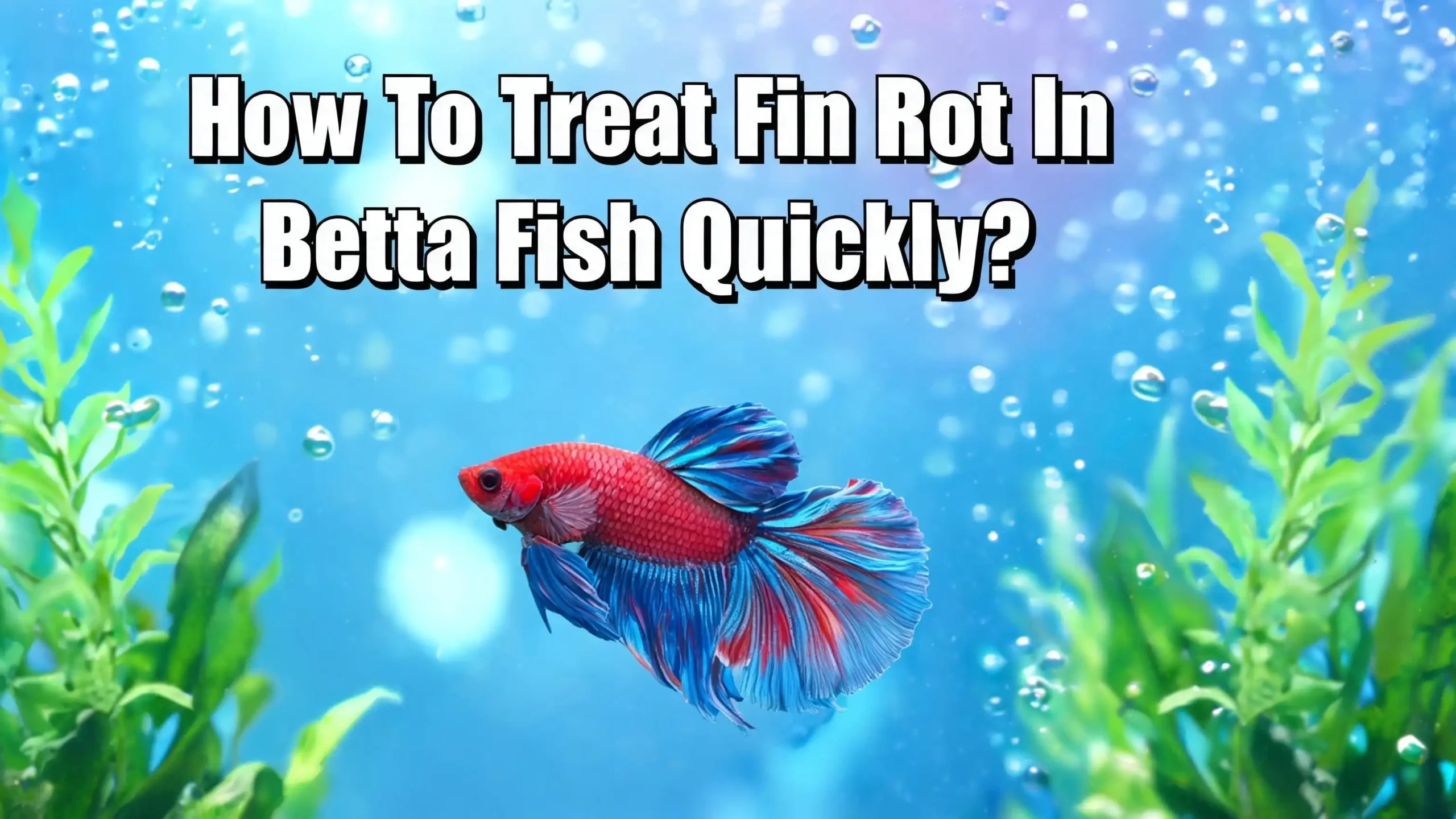
How To Treat Fin Rot In Betta Fish Quickly?
Your betta fish once flaunted long flowing fins. Now those fins look torn, ragged, and discolored. You feel worried, and you want answers fast. Fin rot is one of the most common illnesses in betta fish, and the good news is that you can treat it at home with the right steps.
This guide walks you through every stage of recovery, from spotting the first signs to restoring those beautiful fins.
Fin rot spreads quickly when ignored. A mild case can turn into severe body rot within days. That is why early action matters. You do not need expensive equipment or a vet visit to save your betta in most cases.
You just need clean water, the right treatment, and patience. Let us walk through the full plan together.
In a Nutshell
- Water quality is the number one cause. Dirty water with high ammonia or nitrites burns the fins. Daily or every other day water changes during treatment will speed up healing more than any medication.
- Identify the stage first. Mild fin rot shows fraying edges. Moderate fin rot eats into the fin tissue. Severe fin rot reaches the body and needs strong antibiotics right away.
- Aquarium salt works for mild cases. Use 1 teaspoon per gallon, dissolved first in a separate cup. Never use table salt or Epsom salt for fin rot.
- Use broad spectrum antibiotics for severe cases. Products with erythromycin, kanamycin, or nitrofurazone treat bacterial fin rot effectively. Add a fungal treatment if you see white fuzz.
- Keep the water warm and stable. A steady temperature between 78°F and 80°F supports the immune system and speeds fin regrowth.
- Prevention beats treatment. Once your betta recovers, weekly water changes, a cycled tank, and stress free conditions stop fin rot from coming back.
What Is Fin Rot In Betta Fish
Fin rot is a fin and tail disease caused by bacteria, fungi, or a mix of both. It eats away at the soft tissue of your betta’s fins. The infection starts at the edges and works inward. If left untreated, it reaches the body and becomes deadly.
Bacterial fin rot is the most common form. Gram negative bacteria like Aeromonas and Pseudomonas cause most cases. These bacteria live in every aquarium. They only attack when your betta’s immune system is weak.
Fungal fin rot looks different. It shows white cottony patches on the fins. Sometimes both bacteria and fungus attack at the same time. This is called a secondary infection and needs combined treatment.
Bettas are prone to fin rot because of their long flowing fins. The extra tissue gives bacteria more surface to attack. Halfmoon, crowntail, and rosetail bettas face the highest risk. Their genetic fin shape makes circulation harder.
You can recognize fin rot by the way it spreads. It does not happen overnight. It progresses slowly from the tips of the fins down to the base. This slow progression gives you time to act if you watch your fish daily.
How To Spot The Early Signs Of Fin Rot
Catching fin rot early makes treatment fast and simple. Most owners miss the first signs because they look minor. But minor signs are exactly what you need to spot.
Look at the edges of the fins first. Healthy fin edges are smooth and uniform in color. Early fin rot shows tiny black, brown, or white discoloration along these edges. The color change is subtle at first.
Next, check for fraying. Small splits or tears in the fins that were not there yesterday signal trouble. Bettas can tear their fins on sharp decor, but the tear heals cleanly. Fin rot tears get worse instead of better.
Watch your betta’s behavior too. A fish with early fin rot may hide more, eat less, or rest at the bottom of the tank. Clamped fins, where the fish holds his fins close to the body, is another warning sign.
Take a clear photo of your betta every week. Compare photos side by side. You will see fin loss that is too slow to notice day by day. This habit helps you catch fin rot in its mildest stage when treatment takes only a week.
Understanding The Three Stages Of Fin Rot
Knowing the stage tells you which treatment to use. Treating mild fin rot with strong antibiotics is overkill. Treating severe fin rot with only salt is too weak.
Stage one is mild fin rot. The fin edges look ragged or slightly discolored. The fish still acts normal, eats well, and swims actively. At this stage, clean water and aquarium salt usually fix the problem in a week.
Stage two is moderate fin rot. The damage moves past the fin edges and eats into the fin tissue. You see clear chunks missing from the fins. The edges may turn black, red, or milky white. Your betta may seem less active. This stage needs an antibacterial treatment along with water changes.
Stage three is severe fin rot or body rot. The infection reaches the fin base and starts attacking the body. You may see open sores, red streaks, or exposed fin rays. The betta looks lethargic and may stop eating. This stage needs strong antibiotics fast, or the fish will die.
Body rot is the final and most dangerous stage. Once bacteria reach the body, internal organs become targets. A betta with body rot has only days to live without aggressive treatment.
Why Your Betta Got Fin Rot In The First Place
Finding the cause prevents the disease from coming back. Treating fin rot without fixing the cause is like mopping the floor while the faucet still leaks.
Poor water quality tops the list of causes. Ammonia and nitrite from fish waste burn fin tissue. The damaged tissue becomes an open door for bacteria. Even a small tank with no filter builds up toxins fast.
Cold water weakens the betta immune system. Bettas need temperatures between 78°F and 80°F. Tanks without heaters often sit at room temperature, which is too cold. A cold betta cannot fight off infection.
Stress is another major cause. Bullying tankmates, loud noises, bright lights, and frequent tank moves all raise stress levels. A stressed betta has a weak immune system, and a weak immune system invites fin rot.
Overcrowded tanks spread bacteria faster. Tank decor with sharp edges tears fins, creating wounds where bacteria settle. Dirty filters that have not been rinsed in months pump bacteria back into the tank.
Even diet plays a role. A betta fed only one type of food misses key nutrients. Without proper nutrition, fin tissue cannot repair itself. Look at all these factors together to find your specific cause.
Step One: Test And Fix Your Water Parameters
Before adding any medication, test your water. Most fin rot cases clear up with water quality fixes alone. Skip this step and treatment will fail.
Buy a liquid test kit, not test strips. Strips are less accurate. Test for ammonia, nitrite, nitrate, and pH. Write down the results so you can track changes.
Ammonia and nitrite should both read zero. Any reading above zero is toxic to bettas. Nitrate should stay below 20 ppm. pH for bettas should sit between 6.5 and 7.5, with stability mattering more than the exact number.
If ammonia or nitrite shows above zero, do a 50 percent water change immediately. Use a water conditioner to remove chlorine. Match the new water temperature to the tank temperature within two degrees.
Repeat 25 to 50 percent water changes daily during the first week of treatment. This keeps the water clean and removes bacteria from the tank. Use a gravel vacuum to pull out waste trapped in the substrate.
Check your tank size next. A betta needs at least 5 gallons of water. Smaller tanks build up waste too fast for daily changes to keep up. If your tank is too small, this is the time to upgrade.
Step Two: Adjust The Temperature For Faster Healing
Temperature has a huge effect on healing speed. A heater is not optional for bettas. It is essential equipment.
Set your heater between 78°F and 80°F. This range matches the warm waters of Southeast Asia where bettas evolved. Warm water boosts the immune system and speeds up cell repair.
Use a thermometer to confirm the actual temperature. Some heaters run a few degrees off the dial setting. Place the thermometer on the opposite side of the tank from the heater for the most accurate reading.
Avoid sudden temperature jumps. Raise or lower the temperature by no more than two degrees per day. Quick changes shock the fish and make fin rot worse. Stability matters more than hitting an exact number.
If your room gets cold at night, the tank temperature may drop several degrees. A thermometer that tracks high and low temperatures helps you spot this problem. An adjustable heater with a thermostat solves temperature swings.
For severe fin rot cases, some keepers raise the temperature to 82°F to speed bacterial die off and immune response. Do not go above 82°F. Higher temperatures hold less oxygen and stress the fish.
Step Three: Use Aquarium Salt For Mild Cases
Aquarium salt is the first line of defense for mild fin rot. It is cheap, gentle, and effective. Only use true aquarium salt, never table salt or Epsom salt. Table salt contains iodine and anti caking agents that harm fish.
The standard dose is 1 teaspoon of aquarium salt per gallon of water. For mild cases, this dose works well. For moderate cases, you can go up to 2 teaspoons per gallon. Never exceed 3 teaspoons per gallon.
Dissolve the salt in a cup of tank water before adding it. Pour the dissolved salt slowly into the tank, ideally near the filter output. This spreads it evenly and prevents salt shock.
When you do a water change, add salt only for the new water you add. Salt does not evaporate, so do not add more during top offs. Track how much water you replace and dose only that amount.
Treat with salt for 7 to 10 days. After that, do regular water changes without adding more salt. This slowly removes salt from the tank. Long term salt use can stress bettas and harm live plants if you have any.
Salt creates an environment where bacteria struggle to survive. It also helps fish absorb electrolytes, which speeds healing. Many mild fin rot cases clear up with salt and clean water alone, no medication needed.
Step Four: Choose The Right Medication For Moderate To Severe Cases
When salt and water changes are not enough, medication becomes necessary. Choosing the wrong one wastes time and money. Bacterial fin rot needs antibiotics, not antifungals.
For moderate cases, broad spectrum antibacterial treatments work well. Erythromycin treats gram positive bacteria. Kanamycin and nitrofurazone treat gram negative bacteria, which cause most fin rot. Combination products that cover both work even better.
For severe cases or body rot, you need stronger options. Look for medications containing kanamycin sulfate or a combination of nitrofurazone and methylene blue. These penetrate deeper tissue and stop body rot from killing the fish.
If you see white fuzzy patches along with fin damage, you have a fungal infection too. Add a fungal medication like one containing methylene blue or malachite green. Treating only bacteria when fungus is present leaves the fish sick.
Always remove activated carbon from your filter before adding medication. Carbon absorbs medicine and makes it useless. Put the carbon back in only after you finish treatment and do a water change.
Follow dosing instructions exactly. More medicine does not mean faster healing. Overdosing damages the gills and can kill the fish. Complete the full course even if your betta looks better after a few days. Stopping early lets the strongest bacteria survive and come back stronger.
Step Five: Set Up A Quarantine Tank If Needed
A quarantine tank is helpful when your betta lives with tankmates or when the main tank cannot be medicated safely. It also lets you treat the fish without harming beneficial bacteria in your main tank.
A simple quarantine setup needs little equipment. Use a 2 to 5 gallon container, a small heater, an air stone, and a sponge filter. No substrate or decor is needed. Bare tanks are easier to clean and monitor.
Match the water parameters of the quarantine tank to your main tank. Temperature, pH, and hardness should be similar. Sudden parameter changes add stress and make fin rot worse.
Add a small hiding spot like a smooth ceramic cave or a clean plastic plant. Bettas feel safer with a place to retreat. A stressed fish heals slower than a calm one.
Keep the quarantine tank dimly lit. Bright light stresses sick bettas. Cover three sides of the tank with paper if needed. A calm, quiet location away from foot traffic helps the fish rest and recover.
Do daily water changes in the quarantine tank. Without a cycled filter, waste builds up fast. A 50 percent change every day keeps water clean enough for healing. Test water daily to catch ammonia spikes early.
Step Six: Feed A Healing Diet During Recovery
Food is medicine during recovery. The right diet gives your betta the building blocks to grow new fin tissue. Protein and vitamins lead the list of recovery nutrients.
Feed high quality betta pellets as the base of the diet. Look for pellets where fish or shrimp meal is the first ingredient. Avoid pellets that list wheat or fillers first. Cheap pellets lack the nutrition needed for healing.
Add live or frozen foods two or three times a week. Bloodworms, daphnia, and brine shrimp provide extra protein and natural variety. Daphnia also acts as a gentle laxative, which helps if your betta has digestion issues.
Feed small amounts twice a day. A betta’s stomach is the size of his eye. Two to four pellets per meal is enough. Overfeeding pollutes the water and worsens fin rot.
Soak pellets in a drop of garlic juice once a week. Garlic boosts the immune system and tempts sick fish to eat. A betta that refuses food has a much harder time fighting infection.
Skip feeding for one day each week. This fasting day lets the digestive system clear out and prevents bloating. A clean gut means a stronger immune system, and a stronger immune system means faster fin rot recovery.
How To Know If Treatment Is Working
You started treatment, but how do you know it is working? Watch for signs of healing, not just the absence of damage.
The first sign of recovery is the color of the fin edges. Black, brown, or milky edges turn clear or take on a slightly bluish tint. This clear edge is new growth starting to form. Take a photo to compare later.
Behavior improves before the fins do. A fish that hid in corners starts swimming again. Appetite returns. He may flare at his reflection or build a bubble nest. These are all good signs.
Watch the rate of damage. Fin rot should stop progressing within two to three days of starting treatment. If the damage keeps spreading after three days, your treatment is not strong enough. Switch to a stronger medication or check water parameters again.
New fin growth looks thin and clear. It is fragile and can tear easily. Do not panic if new growth looks different from the original fins. Color and pattern fill in over weeks.
Full recovery takes time. Small fin rot heals in one to two weeks. Severe fin rot recovery can take one to two months for full regrowth. Be patient and keep up clean water even after symptoms disappear.
Preventing Fin Rot From Coming Back
Beating fin rot once is great. Beating it forever is the real goal. Prevention comes down to a few simple habits.
Do a 25 percent water change every week, even if the water looks clean. Test water at least once a month. Catching ammonia or nitrite spikes early stops fin rot before it starts.
Keep your tank cycled. A cycled tank has beneficial bacteria that turn ammonia into nitrate. Never wash your filter media in tap water. Chlorine kills the good bacteria. Rinse it in old tank water during water changes instead.
Choose tank decor carefully. Run pantyhose over decor to check for snags. Anything that catches the fabric will catch fins too. Smooth ceramic, silk plants, and live plants are safe choices for bettas.
Maintain stable temperature year round. A heater with a thermostat protects against seasonal swings. Add a backup thermometer to catch heater failures before the fish suffers.
Feed a varied diet, keep stress low, and observe your fish every day. Two minutes of daily observation catches problems weeks earlier than a casual glance. Healthy bettas with strong immune systems rarely get fin rot, even when bacteria are present.
Common Mistakes To Avoid During Treatment
Some well meaning actions actually make fin rot worse. Avoiding these mistakes speeds recovery and saves your fish.
Mistake one is changing all the water at once. A 100 percent water change shocks the fish and removes beneficial bacteria. Stick to 25 to 50 percent changes, even when the tank looks bad.
Mistake two is mixing too many medications. Each medicine stresses the fish. Combining several at once can be toxic. Use one treatment at a time and give it time to work.
Mistake three is stopping treatment too early. The fish looks better after three days, so you stop. The remaining bacteria multiply and come back stronger. Finish the full course every time.
Mistake four is ignoring tank size. Treating fin rot in a 1 gallon bowl is nearly impossible. The water fouls too fast. Upgrade to at least 5 gallons before you start treatment.
Mistake five is adding new fish during treatment. New fish bring new bacteria into a sick tank. Wait until your betta has fully healed and lived two more weeks healthy before adding any tankmates.
Mistake six is using tap water without conditioner. Chlorine and chloramine in tap water harm fish and kill good bacteria. Always use a water conditioner with every water change, no exceptions.
Frequently Asked Questions
How long does it take to cure fin rot in betta fish?
Mild fin rot clears up in 7 to 10 days with clean water and aquarium salt. Moderate cases take 2 to 3 weeks with antibacterial treatment. Severe fin rot or body rot can take 4 to 8 weeks of treatment, and full fin regrowth may take 2 to 3 months. Recovery time depends on water quality, treatment choice, and how quickly you start.
Can fin rot kill a betta fish?
Yes, untreated fin rot can kill a betta. Mild fin rot is not fatal, but it spreads to body rot if ignored. Once bacteria reach the body, internal organs become targets and the fish can die within days. Quick action at the first signs stops fin rot from becoming life threatening.
Will my betta’s fins grow back after fin rot?
In most cases, yes. New fin growth starts as thin clear tissue and slowly fills in with color. However, if fin rot damaged the fin rays at the base, the new fins may look uneven or shorter than before. Full regrowth takes weeks to months depending on the original fin length and severity of damage.
Is fin rot contagious to other fish?
Fin rot bacteria live in every tank, so it is not contagious in the usual sense. However, the conditions that cause fin rot in one fish, like dirty water or low temperature, affect all fish in the tank. If one fish has fin rot, check the others closely and fix the underlying cause for everyone.
Can I use aquarium salt and medication together?
In most cases, yes, but check the medication label first. Some treatments warn against using salt at the same time. When in doubt, use one treatment for a few days, do a water change, then switch to the other. Avoid combining strong medications with high salt doses to prevent stress on the fish.
What does the early stage of fin rot look like?
Early fin rot shows up as tiny dark, white, or milky discoloration on the edges of the fins. The fin edges may look slightly fuzzy or ragged. Small tears that get worse instead of healing are another early sign. Behavior changes like hiding, clamped fins, or reduced appetite often happen at the same time.