
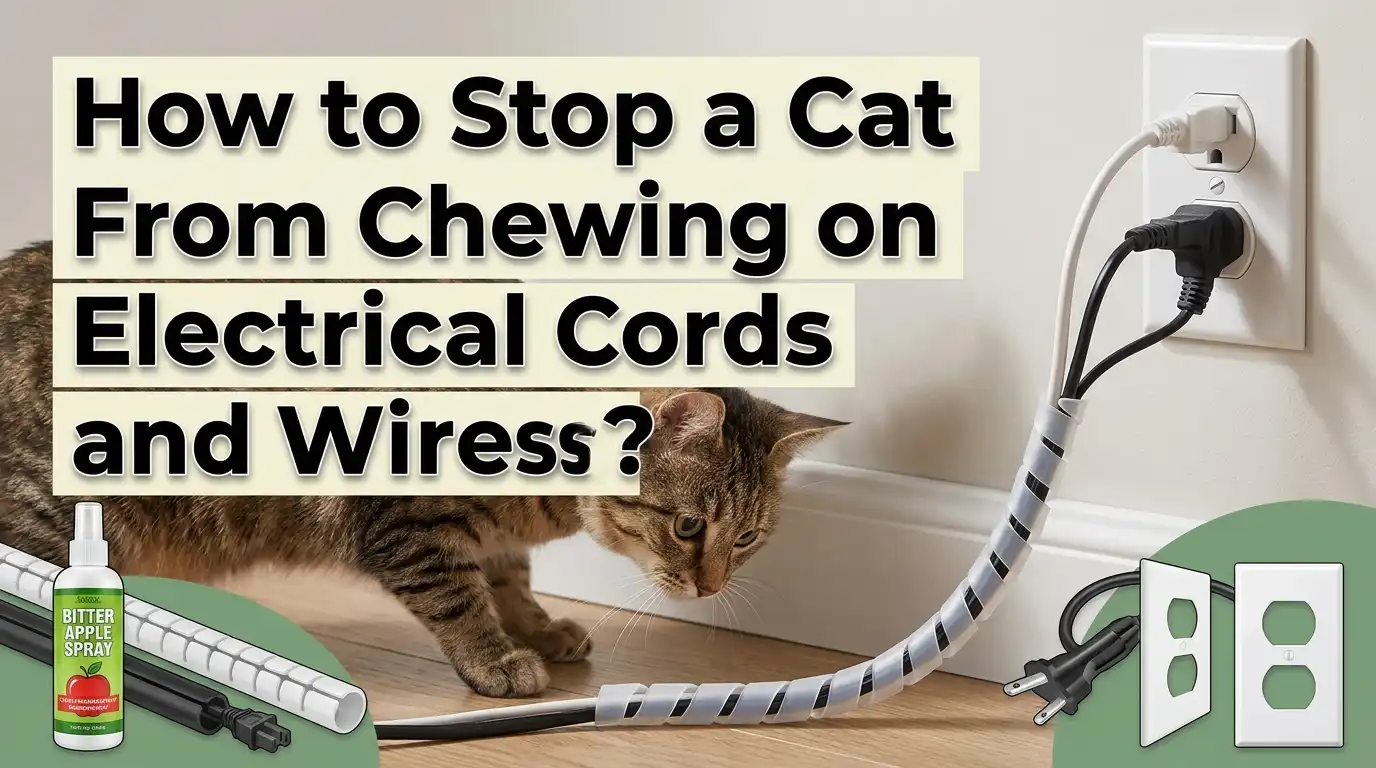
How to Stop a Cat From Chewing on Electrical Cords and Wires?
Does your cat treat every cord like a chew toy? You are not alone.
Many cats find electrical cords fascinating. The texture, the movement, and even the taste can attract curious paws and teeth.
But this habit is dangerous. Chewing on live wires can cause burns, shocks, or even electrocution. In rare cases, it can be fatal.
The good news? You can stop this behavior before it becomes a serious problem.
This guide will show you practical ways to protect your cat and your cords. You will learn how to restrict access to dangerous wires using simple barriers.
In a Nutshell
- Block access first: Hide cords behind furniture or use cord protectors. This step matters most for safety.
- Try cordless options: Switch to battery powered devices when you can. Fewer cords mean fewer risks.
- Use smart deterrents: Cats often avoid citrus scents, foil textures, and bitter tasting sprays. These add an extra layer of protection.
- Cover exposed wires: Wrap cords in tubing or tape. This makes them less appealing to curious teeth.
- Act fast in emergencies: If your cat bites a live cord, unplug the power first. Never touch your cat while it is still connected.
- Combine methods for success: Deterrents alone rarely work. Pairing them with physical barriers gives the best long term results.
Why Cats Chew on Electrical Cords
Cats chew on electrical cords for several reasons, and understanding why helps you fix the problem. Curiosity drives much of this behavior. Kittens and young cats explore their world with their mouths, just like human babies do. Cords move and wiggle, which triggers a cat’s hunting instinct.
Teething is another common cause. Young cats experience sore gums and chewing relieves the discomfort. They seek out anything firm enough to bite down on, and electrical cords fit perfectly.
Boredom plays a significant role too. Cats need mental and physical stimulation. When they lack toys, play time, or activities, they turn to household items like cords for entertainment. This is especially true for indoor cats with limited environmental enrichment.
Stress and anxiety can also trigger cord chewing. Some cats resort to this behavior when they feel anxious or overwhelmed. Changes in their environment, new pets, or loud noises may push them toward destructive chewing.
Texture preference matters as well. Some cats are attracted to the smooth, rubbery feel of cords. The texture satisfies their desire to chew in ways that other objects do not.
Nutritional deficiencies occasionally contribute to unusual chewing habits. A diet lacking certain minerals or vitamins might drive cats to chew non food items. This is less common but worth considering if your cat seems obsessed with cords.
The danger cannot be overstated. Electrocution poses a serious risk to your cat’s life. Chewing through cord insulation exposes them to electrical current, which can cause burns, heart problems, or death. Understanding these reasons helps you address the root cause while protecting your pet from harm.
The Dangers of Cord Chewing for Your Cat
Electrical cord chewing poses serious health risks to your cat. The primary danger is electrocution, which can cause severe burns inside your cat’s mouth and throat. If your cat bites through the outer coating of a live cord, electricity can flow through their body.
This contact can stop your cat’s heart or damage vital organs. Burns may not show immediately. Internal injuries from electrical current can develop over hours or days. Some cats experience respiratory problems after electrocution. Others suffer from fluid buildup in the lungs.
Beyond electrocution, cord chewing creates additional hazards. Your cat may ingest plastic coating or wire material. This can cause intestinal blockages, which require emergency surgery. Blockages prevent food from moving through your cat’s digestive system properly.
Swallowed plastic pieces can perforate the intestines. This leads to life threatening infections inside your cat’s belly. Veterinary treatment for blockages is expensive and traumatic for your pet.
Cord chewing also risks chemical poisoning. Many cords contain toxic materials in their insulation. Cats that chew these materials absorb harmful substances. Symptoms include vomiting, diarrhea, and neurological problems.
Burns from electrical contact can be severe and disfiguring. Your cat may lose sensation in their mouth. Scarring can make eating difficult for the rest of their life.
The stakes are high. One documented case resulted in a cat’s death from cord chewing. This was preventable. Your cat cannot understand that cords are dangerous. They do not know electricity can kill them.
This is why prevention matters so much. Stopping cord chewing before it happens protects your cat’s life. Physical barriers and deterrents work together to keep your pet safe from these serious injuries.
Restricting Access: The Most Effective Prevention Method
Physical barriers are your best defense against cord chewing. This method stops the problem before it starts, unlike deterrents that only discourage behavior.
Start by identifying where your cat spends the most time. Look for cords near favorite lounging spots, play areas, and sleeping zones. These are high risk areas that need immediate attention.
Hide cords behind furniture whenever possible. Push electrical wires to the back of shelves, desks, and entertainment centers. Your cat cannot chew what it cannot reach. This simple step eliminates most temptation.
Use cord covers and protective tubing for wires you cannot hide. Hollow plastic tubing slides over cords and makes them less appealing. You can also wrap cords with plastic sleeves designed for this purpose. These barriers work because they change the texture your cat encounters.
Consider switching to cordless devices. Battery powered tools, wireless chargers, and cordless vacuums remove the problem entirely. This is especially helpful for frequently used items your cat targets repeatedly.
Close off access to problem areas using baby gates or room dividers. If your cat cannot enter a space, it cannot chew the cords there. This works well for home offices, entertainment centers, and workshops.
Check your setup regularly. Cats are persistent and clever. They may find new routes to cords or knock barriers aside. Weekly inspections catch new hazards before they become dangerous.
Combining multiple barriers is more effective than using just one method. Hide cords, add protective covers, and restrict access to high risk rooms. This layered approach makes cord chewing extremely difficult for your cat, significantly reducing the risk of electrical injury or ingestion of harmful materials.
Using Deterrents to Discourage Chewing
Deterrents work best when you combine them with physical barriers. They discourage your cat from chewing but rarely stop the behavior on their own.
Aluminum foil is one of the simplest options. Cats dislike the texture and crinkly sound. Wrap foil around cords in areas where your cat frequently explores. The tactile sensation makes chewing uncomfortable. Replace the foil when it becomes worn or damaged.
Bitter Apple spray creates an unpleasant taste. Apply it directly to cord covers or wrapping. Reapply the spray every few days since it fades over time. Your cat will learn to associate the cord with something distasteful.
Double-sided adhesive tape works on a similar principle. Cats hate the sticky feeling on their paws and mouth. Place tape around cord wraps in high-risk areas. This method combines texture and taste deterrents effectively.
Diluted apple vinegar offers a natural alternative. Mix it with water and spray it on protective wrapping around cords. The strong smell and taste discourage most cats. Test this on a small area first to ensure your cat tolerates it.
Paper towel backing provides extra texture when placed behind wrapped wires. This adds another sensory layer that discourages chewing attempts.
The key point: deterrents supplement your prevention strategy. Use them alongside cord covers, restricted access, and cordless alternatives. Your cat may test the deterrent once or twice before moving on to approved toys.
Consistency matters most. Reapply deterrents regularly and monitor which methods work best for your specific cat. Every cat responds differently to various tastes and textures.
Step-by-Step Guide to Cord-Proofing Your Home
Start by walking through your home and locating every electrical cord. Pay special attention to areas where your cat spends time playing, sleeping, or exploring. Cords near cat trees, beds, and favorite lounging spots need immediate attention.
Next, gather your supplies. You’ll need cord covers or protective tubing that you can slip over exposed wires. Collect aluminum foil, bitter deterrent sprays, or double-sided tape. Have paper towels ready as well.
Begin hiding cords behind furniture and appliances. Move cords away from your cat’s reach whenever possible. If a cord must stay visible, run it along the wall and secure it with clips or tape. This keeps wires off the floor where curious cats explore.
Install cord covers over any wires you cannot hide completely. Split hollow tubing works well because you can wrap it around multiple cords at once. Secure the covers so they don’t slip or create choking hazards.
Wrap problem cords with aluminum foil or apply bitter deterrent spray. Many cats dislike the texture and taste. Layer paper towel backing behind wrapped wires for added texture resistance.
Consider switching to cordless alternatives where practical. Wireless chargers and battery powered devices eliminate the cord problem entirely.
Close off rooms or areas with excessive cords using baby gates or room dividers. This restricts your cat’s access to high risk zones.
Check your setup weekly. Cords shift, cats find new routes, and deterrents wear off. Reapply sprays regularly and replace worn covers.
The most important step is combining multiple methods. Physical barriers work best when you add deterrents on top. This layered approach stops most cats from chewing on electrical wires.
Common Mistakes to Avoid When Cord-Proofing
Many cat owners make critical mistakes when trying to stop cord chewing. Understanding these errors helps you protect your cat more effectively.
The biggest mistake is relying only on deterrents without blocking access. Sprays, foils, and tapes feel unpleasant to cats, but they don’t stop a determined chewer. Your cat may simply find a different cord or push through the unpleasant texture. Deterrents work best as a backup tool, not your main defense.
Another common error is leaving cords exposed in multiple locations. You might protect cords in your bedroom but forget about the kitchen, living room, or home office. Cats explore every area of your home. Check every room systematically for exposed wires and cables.
Some owners worry that aluminum foil wrapping will harm their cats if ingested. While aluminum foil itself isn’t toxic, cats can choke on small pieces or experience digestive issues. Use foil as a deterrent texture, not as a complete wrap. Combine it with cord covers or protective tubing for better results.
Inconsistency creates another problem. You might cord proof your space one week but forget to maintain it. New cords appear from phone chargers, holiday decorations, or new appliances. Stay vigilant by checking your setup weekly.
Many people also underestimate how creative cats are. Your cat may find ways around your barriers or discover new cords you didn’t notice. Keep observing your cat’s behavior. If chewing continues in one area, add more layers of protection there.
The solution requires combining multiple methods. Use physical barriers first, then add deterrents on top. This combination approach gives you the best protection for your cat’s safety.
What to Do in an Emergency: Immediate Response Tips
Your cat may accidentally bite or chew on an electrical cord. Knowing how to respond quickly can save your pet’s life.
First, stay calm. Panic makes the situation worse. Your quick thinking will help your cat survive this dangerous moment.
If your cat is still chewing or in contact with a live cord, do not touch your cat directly. Electricity can pass through your pet’s body to you. Instead, turn off the power at your breaker box or unplug the cord immediately. This stops the electrical current.
Once the power is off, gently remove the cord from your cat’s mouth. Look for signs of injury. Check the mouth, tongue, and lips for burns or bleeding. Burned areas may appear white, black, or red.
Watch for delayed symptoms. Electrical injuries sometimes cause problems hours or days later. Monitor your cat closely for the next 24 to 48 hours. Watch for difficulty breathing, drooling, weakness, or loss of appetite.
Call your veterinarian or emergency animal clinic right away, even if your cat seems fine. Internal injuries may not be obvious. A vet can check your cat’s heart and lungs with special equipment.
While waiting for help, keep your cat calm and warm. Do not apply ice or ointment to burned areas. Let the veterinarian handle all wound care.
Prevention stops emergencies before they start. After this incident, remove all access to exposed cords. Use cord covers, move wires behind furniture, or switch to cordless devices. Your cat’s curiosity will return, so make sure your home stays safe.
Long-Term Habits to Keep Your Cat Safe
Building long term habits keeps your cat safe from electrical hazards permanently. The key is consistency. You must enforce the same rules every single day without exception.
Start by making cord safety a household routine. Everyone in your home needs to understand why cords stay protected and inaccessible. When all family members follow the same approach, your cat learns faster and stays safer.
Create a weekly inspection habit. Walk through your home and check every cord location. Look for new hazards you may have missed. Notice if your cat has found ways around your barriers. Make adjustments immediately when you spot problems.
Reward your cat for ignoring cords. When you catch your cat walking past a protected cord without chewing, offer praise or a treat. Positive reinforcement builds better habits than punishment alone. Your cat learns that leaving cords alone brings good things.
Rotate your cat’s toys and enrichment items regularly. Boredom drives cord chewing behavior. Fresh toys keep your cat mentally stimulated and less interested in dangerous wires.
Monitor your cat’s chewing urges closely. Some cats chew more during teething or stress. If you notice increased cord interest, add more appropriate chewing toys to your environment.
Document what works best for your specific cat. Some cats respond better to certain deterrents than others. Keep notes about which barriers and methods your cat respects most.
Consistency transforms temporary fixes into permanent safety. Your cat’s long term wellbeing depends on habits you establish now. These daily routines become automatic over time, keeping electrical hazards out of reach permanently.
Final Thoughts
Keeping your cat safe from electrical cords takes patience and consistency. There is no single trick that works overnight. You need a mix of prevention, deterrents, and daily habits.
Physical barriers remain your strongest tool. Cords that stay hidden or covered simply cannot be chewed. This one step prevents most accidents before they happen.
Deterrents like bitter sprays or foil add an extra layer of protection. They work best when your cat still has some access to a cord. Think of them as backup, not the main plan.
Remember that every cat is different. Some cats stop chewing after one bad taste experience. Others need weeks of consistent redirection and training.
Stay observant during this process. Watch which cords attract your cat’s attention most. This helps you focus your efforts where they matter.
If an accident does happen, act fast and stay calm. Turn off power immediately and check your cat carefully. Quick action can prevent serious injury or worse.
Your home will keep changing over time. New chargers, lamps, and gadgets bring new cords into your space. Make cord safety part of every new purchase or setup.
Small efforts add up over time. A quick cord check each week takes just minutes. This tiny habit protects your cat for years to come.
Cats are curious by nature, and that curiosity is not going away. Your job is to guide that curiosity toward safer outlets. Toys, scratching posts, and play sessions help redirect their energy.
With the right combination of barriers, deterrents, and attention, your home can be both safe and cat friendly. Your cat gets to explore freely. You get peace of mind every single day.
Frequently Asked Questions
Why does my cat chew on electrical cords?
Cats chew cords for several reasons. Teething kittens explore their world with their mouths. Adult cats may chew out of boredom, stress, or curiosity. Some cats have pica, a condition where they crave non food items.
Electrical cords move and wiggle. This motion triggers your cat’s hunting instinct. The texture also appeals to some cats. Understanding why your cat chews helps you find the right solution.
Is cord chewing dangerous for cats?
Yes, cord chewing poses serious risks. Your cat can suffer electrical burns inside and outside the mouth. Electrocution can cause heart problems or stop breathing.
Even non fatal shocks cause pain and injury. Some cats experience delayed symptoms hours after contact. This is why immediate veterinary care matters after any electrical incident.
What’s the best way to stop this behavior?
Physical barriers work best. Move cords out of reach or cover them with plastic tubing. Keep cords behind furniture when possible. Switch to cordless devices where you can.
Deterrents add extra protection. Bitter sprays, aluminum foil wrapping, and double sided tape discourage chewing. These methods work best when combined with access restriction. Never rely on deterrents alone.
Can I use aluminum foil to protect cords?
Yes, aluminum foil works well. Cats dislike the texture and sound. Wrap foil around exposed cords or place it behind wrapped wires.
Some owners worry cats will ingest foil. In practice, cats avoid swallowing it because they dislike the sensation. Still, supervise your cat during the adjustment period.
How long does it take to break this habit?
Breaking the habit takes weeks or months. Consistency matters more than speed. Every cat responds differently to prevention methods.
Stay patient and keep barriers in place. Reward your cat for ignoring cords. With steady effort, your cat will learn to avoid electrical wires.