How to Stop a Dog From Destroying Plush Toys Within Minutes?
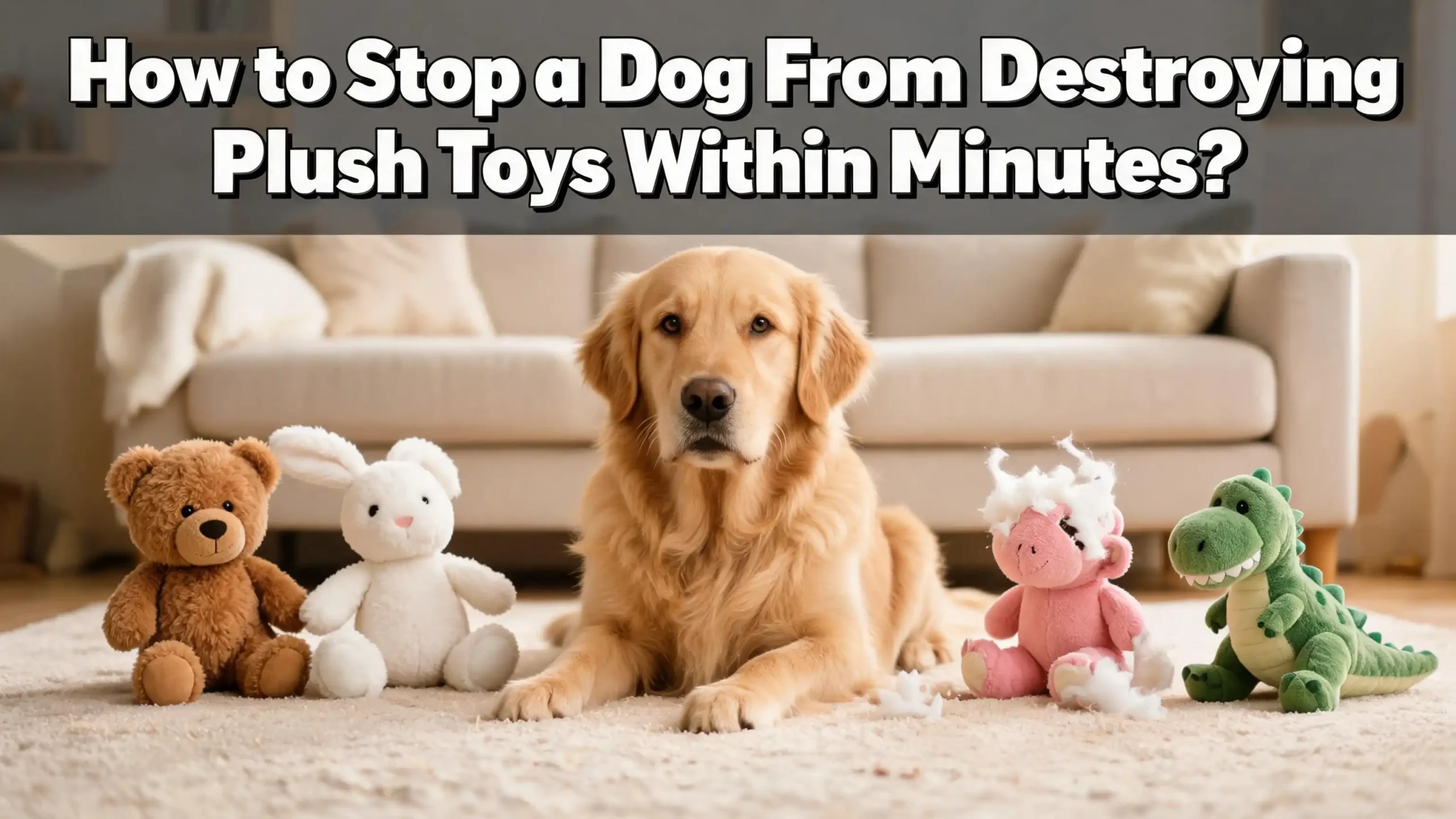
You just bought a brand new plush toy for your dog. You peeled off the tag, tossed it across the room, and turned around for a glass of water. By the time you looked back, white fluffy stuffing covered the floor like a tiny snowstorm. The squeaker was missing. Your dog sat there, proud and satisfied, as if a great mission had been accomplished. Sound familiar? You are not alone.
Millions of dog owners deal with this exact problem every single week. The average dog owner spends hundreds of dollars a year replacing destroyed toys. Some dogs can shred a plush toy in under sixty seconds. Beyond the cost, there is a real safety risk. Swallowed stuffing, loose squeakers, and torn fabric can cause choking or intestinal blockages.
This post gives you real, actionable steps to stop the destruction cycle for good. You will learn why your dog does this, how to redirect the behavior, and which strategies trainers and behaviorists actually recommend. Every solution here is practical, tested, and free of gimmicks. Keep reading because the answer is simpler than you think.
Key Takeaways
- Dogs destroy plush toys because of natural instincts, boredom, excess energy, or anxiety, not because they are being “bad.” Understanding the root cause is the first step to solving the problem. Once you identify the trigger, you can match the right solution to the right behavior.
- Supervised play sessions are essential for teaching your dog how to interact with plush toys without tearing them apart. Remove the toy the moment destructive chewing begins, and reward gentle play with treats and praise.
- A toy rotation system keeps toys feeling fresh and exciting, which reduces the urge to destroy them out of boredom. Store most toys in a bin and swap out two or three every few days. This simple habit can double or triple the lifespan of your dog’s toy collection.
- Mental stimulation is just as important as physical exercise. Puzzle feeders, snuffle mats, and training games tire your dog’s brain and lower the drive to shred plush toys. A mentally satisfied dog is far less likely to turn a stuffed animal into confetti.
- Teaching a “gentle” or “leave it” command using positive reinforcement gives you a reliable way to interrupt destructive behavior before it starts. Consistency and patience with these commands produce lasting results.
- Choosing the right toy matters. Look for double stitched seams, minimal loose parts, and stuffing free designs for unsupervised play. Save the delicate plush toys for supervised, interactive sessions with you.
Why Dogs Destroy Plush Toys So Quickly
Dogs are natural predators. Even the sweetest lap dog carries instincts passed down from wolves. Plush toys trigger what animal behaviorists call prey drive. The soft body, the squeaky sound, and the way the toy “gives” under pressure all mimic the experience of catching small prey. Your dog grabs, shakes, tears, and pulls stuffing out because the behavior feels deeply rewarding on a biological level.
Puppies also learn about the world through their mouths. Chewing is how young dogs explore textures, relieve teething pain, and burn energy. If a puppy never learns boundaries around plush toys, the destruction habit carries into adulthood. Adult dogs continue to chew for stress relief, entertainment, and self soothing.
Some breeds are more prone to toy destruction than others. Terriers, retrievers, and herding breeds often have stronger prey drive and more jaw strength. However, any dog of any breed can develop this habit if the conditions are right. The toy itself often plays a role too. Thin fabric, single stitch seams, and small dangling parts practically invite destruction. Most plush dog toys are designed to look cute on the shelf rather than survive real play.
The Hidden Dangers of Plush Toy Destruction
A shredded plush toy is more than an annoyance. It is a potential health hazard. Dogs frequently swallow pieces of fabric, stuffing, and squeakers during the destruction process. Polyester stuffing can cause gastrointestinal blockages that require emergency surgery. Small squeaker devices can lodge in a dog’s throat and block the airway. Plastic eyes and noses can crack into sharp fragments.
Veterinarians report that foreign body ingestion is one of the most common emergency room visits for dogs. The cost of surgical removal can range from $1,000 to $7,000 depending on severity and location. Many of these cases involve swallowed toy parts. If your dog tends to eat what it destroys rather than simply tearing it apart, the urgency to address this behavior increases significantly.
Watch for warning signs like vomiting, loss of appetite, lethargy, or difficulty passing stool after toy destruction. These symptoms can signal a blockage. Prevention is always better than treatment. This is one of the strongest reasons to teach your dog proper toy manners and to supervise all plush toy play sessions closely.
Understanding the Root Cause Behind the Behavior
Not all toy destruction comes from the same place. Identifying the specific cause helps you choose the most effective solution. A dog that destroys toys out of boredom needs a different approach than one acting on anxiety. Here are the most common root causes.
Boredom is the number one reason dogs shred toys. A dog left alone for hours with nothing to do will find entertainment. Plush toys are soft, accessible, and satisfying to tear. If your dog only destroys toys when left alone or during quiet periods, boredom is likely the driver.
Excess energy is closely related to boredom. A dog that has not had enough physical exercise will channel that energy into destructive behavior. High energy breeds need significant daily activity. A quick walk around the block may not be enough.
Separation anxiety can cause intense destruction. Dogs with anxiety often target specific items that smell like their owner. The chewing provides comfort and stress relief. If destruction happens only when you leave the house, anxiety may be the underlying issue. Consult a veterinarian or certified animal behaviorist for a proper assessment.
How to Use Supervised Play Sessions Effectively
Supervised play is one of the most powerful tools for changing your dog’s relationship with plush toys. The goal is simple: plush toys only come out when you are actively watching. This gives you the chance to redirect destructive behavior the instant it starts.
Begin by sitting near your dog with a plush toy and a handful of small, high value treats. Toss the toy and let your dog engage with it. As long as the dog is carrying, squeaking, tossing, or gently mouthing the toy, praise and reward that behavior. Say “good” or “nice” in a warm, calm voice. Toss a treat nearby. This teaches your dog that gentle interaction with the toy earns rewards.
The moment you see your dog settle in and begin gnawing, pulling at seams, or shaking the toy aggressively, calmly remove the toy. Do not scold or punish. Simply take the toy, wait ten to fifteen seconds, and return it. If your dog goes back to gentle play, reward again. If the destruction starts immediately, end the session and try again later.
Repeat this pattern daily. Most dogs begin to understand the connection within one to two weeks. The key is consistency. Every session reinforces the same message: gentle play means the toy stays, rough play means the toy leaves. Over time, your dog will choose gentle play to keep the fun going.
Teaching the “Gentle” and “Leave It” Commands
Verbal cues give you a reliable way to interrupt destruction before it gains momentum. Two commands are especially useful: “gentle” and “leave it.” Both can be trained using positive reinforcement methods that build trust rather than fear.
To teach “gentle,” hold a plush toy in one hand and treats in the other. Offer the toy to your dog. If the dog sniffs or lightly mouths the toy, say “gentle” and immediately reward with a treat. If the dog bites down hard or begins shaking the toy, pull the toy away without a word. Wait a moment and try again. Over many short sessions, your dog will connect soft mouth contact with the word “gentle” and the treat that follows.
“Leave it” works differently. Place a plush toy on the ground. When your dog moves toward it, say “leave it” in a clear, firm tone. The moment your dog pauses, looks at you, or steps back, reward with a treat from your hand. The dog learns that ignoring the toy on command produces something better. Practice this in short five to ten minute sessions, two to three times per day. Gradually increase the difficulty by placing the toy closer or using more exciting toys. These commands become powerful tools that protect toys and keep your dog safe in many situations beyond playtime.
The Power of Toy Rotation
A toy that sits in the same spot every day loses its appeal. Toy rotation is a simple strategy that makes old toys feel new again. It reduces boredom, increases engagement, and significantly extends the life of your dog’s toy collection.
Here is how to set it up. Gather all of your dog’s toys and divide them into groups of three or four. Put one group out and store the rest in a closed bin or closet. Every two to three days, swap the current group for a different one. When a previously stored toy reappears, your dog will greet it with renewed excitement and curiosity.
This works because dogs are naturally attracted to novelty. A familiar toy triggers less dopamine than something that feels new. Rotation creates the illusion of a constantly refreshed collection without buying anything new. Dogs that feel stimulated and engaged are far less likely to tear toys apart. Many dog trainers and behaviorists recommend toy rotation as a first step for any toy destruction problem. The effort takes less than one minute per swap. The payoff in preserved toys and happier dogs is enormous.
Mental Stimulation: The Missing Piece
Physical exercise alone does not solve toy destruction. A tired body with a bored mind will still find ways to create chaos. Mental stimulation is the missing piece that many dog owners overlook. When your dog’s brain gets a workout, the need to shred plush toys drops dramatically.
Puzzle feeders are an excellent starting point. These devices require your dog to push, slide, lift, or lick to access food. The problem solving process engages the brain and produces a calm, satisfied feeling. Snuffle mats work on a similar principle. Scatter kibble or small treats across the mat and let your dog use its nose to find each piece. Fifteen minutes of nose work can tire a dog as much as a thirty minute walk.
Training sessions also count as mental exercise. Teach a new trick, practice obedience commands, or play a quick game of “find it” by hiding treats around the house. Short, frequent sessions of five to ten minutes produce the best results. A dog that solves puzzles, learns commands, and uses its nose throughout the day has a full and satisfied mind. That dog is far less likely to channel leftover mental energy into destroying a plush toy.
Increasing Physical Exercise to Reduce Destruction
An under exercised dog is a destructive dog. Physical activity burns excess energy that would otherwise fuel toy shredding. The amount of exercise needed varies by breed, age, and individual temperament, but most healthy adult dogs need at least 30 to 60 minutes of active movement each day. High energy breeds may need 90 minutes or more.
Walking is a good foundation, but it is often not enough on its own. Add variety with games of fetch, tug of war, swimming, or off leash play at a dog park. These activities engage more muscle groups and burn energy faster than a leash walk. A game of fetch for twenty minutes in the backyard can accomplish what a forty minute stroll cannot.
Timing also matters. If your dog tends to destroy toys in the evening, schedule a vigorous play session in the late afternoon. If destruction happens while you are at work, a morning exercise routine can make a big difference. A dog that has burned off physical energy before the day’s quiet hours is far more likely to nap with a plush toy than destroy it. Track what works by noting when destruction happens and adjusting exercise times accordingly.
Addressing Separation Anxiety and Stress
Some dogs destroy plush toys specifically because they are anxious. Separation anxiety is a clinical condition that goes beyond simple boredom. Dogs with this condition experience genuine distress when left alone. Destruction, barking, pacing, and house soiling are common symptoms.
If your dog only destroys toys when you are away and shows other signs of distress like excessive drooling, whining at the door, or frantic behavior when you pick up your keys, separation anxiety may be the cause. Addressing the anxiety is essential before any toy training will stick.
Start with short absences. Leave the room for thirty seconds, return calmly, and reward your dog for staying relaxed. Gradually increase the duration over days and weeks. Keep departures and arrivals low key. Avoid dramatic goodbyes or excited greetings. Provide a high value chew or frozen food puzzle right before you leave to create a positive association with your departure.
For moderate to severe cases, consult a veterinarian. Medication combined with behavior modification produces the best outcomes for true separation anxiety. Once the anxiety level drops, your dog’s relationship with toys often improves naturally. The destruction was never about the toy. It was about the emotional state.
Choosing the Right Plush Toys for Your Dog
Not all plush toys are created equal. The construction of the toy plays a major role in how quickly it gets destroyed. Choosing wisely can buy you significantly more time and reduce safety risks.
Look for plush toys with double or triple stitched seams. Single stitch construction is the first point of failure for most toys. Reinforced seams resist pulling and tugging far longer. Toys without loose stuffing are another smart choice. Some plush toys use flat construction or crinkle material instead of polyester fill. These designs give dogs the soft texture they enjoy without the dangerous stuffing inside.
Avoid toys with small plastic parts like sewn on eyes, buttons, or hard noses. These pieces pop off easily and become choking hazards. Choose toys with embroidered features instead. Size matters too. A toy that is too small encourages a dog to fit the whole thing in its mouth and apply full bite force. Choose a size that your dog can carry but not completely compress between its jaws.
Save the most delicate plush toys for supervised play sessions only. For unsupervised time, use sturdier options made from thick rubber, braided rope, or layered fabric. Matching the right toy to the right situation keeps your dog happy and safe.
The “Be Nice to Your Toy” Training Method
One highly effective approach comes from professional trainers who use a positive interrupter combined with a specific verbal cue. This method teaches your dog that gentle play earns continuous access to the toy, while rough play causes a brief, calm interruption.
Start by practicing a reliable recall or “stop” command outside of toy play. Your dog needs to respond to this cue consistently before you add toys to the picture. Once the foundation is solid, introduce plush toys in a controlled setting. Scatter several toys around the room. Let your dog explore, carry, and squeak them freely. Reward gentle interaction with treats and praise.
The moment your dog settles into destructive gnawing, use your interrupt cue. When your dog stops and comes to you, deliver a generous treat reward. Then release your dog back to the toy. Repeat this pattern every time the destructive behavior begins. After several sessions, introduce a new cue like “be nice” or “easy.” Say this phrase whenever your dog picks up a toy and plays gently, then follow with a treat.
Over time, the “be nice” cue becomes a reminder that gentle play keeps the game going. Most dogs begin responding within one to three weeks of consistent practice. The beauty of this method is that it preserves your dog’s love of plush toys while eliminating the destructive pattern.
Creating an Enrichment Routine That Prevents Destruction
A structured daily routine removes the conditions that lead to toy destruction. Dogs thrive on predictability and purpose. When each part of the day includes some form of engagement, the urge to create entertainment through destruction fades.
A strong morning routine might include a brisk walk or play session followed by breakfast served in a puzzle feeder. This burns physical energy and gives the brain a challenge right at the start of the day. Midday, offer a frozen treat or a snuffle mat to break up the quiet hours. In the afternoon, schedule a training session or a game of fetch.
Evening is often the peak destruction time. Counter this with a final exercise session and a calm chew toy for winding down. Rotate the specific activities and toys every few days to keep things interesting. The routine does not need to be complicated or time consuming. Even five to ten minutes of purposeful engagement at each transition point in the day makes a measurable difference.
Write down your dog’s routine for the first week. Track which activities seem to produce the best results. Adjust as needed. Within a month, you will have a personalized enrichment plan that fits your schedule and keeps your dog satisfied, calm, and far less interested in tearing plush toys apart.
What to Do If Your Dog Eats Toy Parts
Despite your best efforts, accidents happen. If your dog swallows a piece of a plush toy, act quickly and stay calm. Remove the remaining toy immediately to prevent further ingestion. Check your dog’s mouth for any lodged pieces of fabric or plastic.
Monitor your dog closely for the next 24 to 48 hours. Watch for vomiting, loss of appetite, lethargy, abdominal pain, straining to defecate, or any change in behavior. Small pieces of fabric may pass through the digestive system without issue. However, larger pieces, squeakers, or accumulated stuffing can cause blockages.
Contact your veterinarian immediately if you notice any concerning symptoms. Do not wait to see if the problem resolves on its own. Intestinal blockages can become life threatening within hours. Your vet may recommend an X ray or ultrasound to determine whether the object is moving through the digestive tract or stuck. Early intervention almost always produces better outcomes and lower veterinary costs. Keep your vet’s emergency number saved in your phone at all times.
Common Mistakes That Make Toy Destruction Worse
Several well meaning habits actually reinforce the destruction cycle. Avoiding these mistakes can accelerate your progress significantly.
Scolding or punishing your dog after the fact does not work. If you find a destroyed toy hours later and scold your dog, the dog connects the punishment with your return, not with the destruction. This creates anxiety, which often increases destructive behavior. Punishment must occur within one to two seconds of the behavior to be understood, and even then, positive methods are far more effective.
Giving your dog too many toys at once can also backfire. A mountain of available toys reduces the perceived value of each one. Your dog is more likely to casually shred something that feels disposable. Limit access to two or three toys at a time and rotate regularly.
Replacing destroyed toys immediately sends an unintentional message. If your dog learns that destroying a toy results in a brand new one appearing, the behavior is being rewarded. Wait before introducing a replacement and use the gap to work on training. Finally, skipping exercise and mental stimulation on busy days creates a surplus of energy that has to go somewhere. Consistency in your dog’s daily routine is the backbone of lasting behavior change.
When to Seek Professional Help
Most toy destruction problems respond well to the strategies in this post. However, some cases require professional guidance. If your dog’s destruction is severe, happens alongside other behavioral issues, or does not improve after several weeks of consistent training, it is time to call in an expert.
A certified professional dog trainer (CPDT) can observe your dog’s behavior firsthand and create a customized training plan. For cases involving anxiety, compulsive behavior, or aggression, a veterinary behaviorist (DACVB) has the medical training to evaluate whether medication or a specialized behavior modification protocol is needed.
Red flags that signal professional help include: destruction that causes injury to the dog, destruction of household items beyond toys, extreme distress during separation, or any behavior that is escalating despite your efforts. Do not feel discouraged if you need help. Seeking professional guidance is a sign of responsible dog ownership. The right trainer or behaviorist can often resolve in a few sessions what months of independent effort could not.
Building a Long Term Plan for Success
Stopping toy destruction is not a one time fix. It is an ongoing commitment to meeting your dog’s physical, mental, and emotional needs. The strategies in this post work best when combined into a consistent, long term approach.
Start by identifying the root cause. Address any medical or anxiety issues first. Build a daily routine that includes exercise, mental stimulation, and structured play. Implement toy rotation and supervised plush toy sessions. Teach the “gentle” and “leave it” commands and use them consistently. Choose toys that match your dog’s chew strength and play style.
Track your progress. Note how many toys survive each week. Record which activities seem to calm your dog the most. Celebrate small wins. If a plush toy that used to last three minutes now lasts thirty, that is real progress. Adjust your approach as your dog ages and its needs change.
The ultimate reward goes beyond saving money on toys. A dog that plays gently, solves puzzles, and engages with you during playtime is a happier, healthier, and more bonded companion. The stuffing stays inside the toy. The squeaker survives another day. And you finally get to enjoy watching your dog play without holding your breath.
Frequently Asked Questions
Why does my dog destroy plush toys but not other types of toys?
Plush toys are soft, easy to grip, and produce satisfying sounds when squeezed or torn. These qualities trigger your dog’s natural prey drive more than hard rubber or plastic toys do. The soft texture mimics the feeling of catching and dismantling prey, which is deeply rewarding for dogs on an instinctual level. Hard toys resist destruction, so dogs naturally engage with them differently. If your dog only targets plush toys, this is a normal behavioral pattern rather than a sign of a larger problem.
How long does it take to train a dog to stop destroying plush toys?
Most dogs show noticeable improvement within two to four weeks of consistent training. Some dogs respond faster, especially if the primary issue is boredom rather than anxiety or deeply ingrained habit. Puppies under one year old may take longer because their impulse control is still developing. The most important factor is consistency. Daily training sessions, even if they are only five to ten minutes long, produce better results than occasional longer sessions.
Is it safe to let my dog play with plush toys unsupervised?
For dogs that actively destroy plush toys, unsupervised play is not recommended. Swallowed stuffing, squeakers, and fabric can cause choking or intestinal blockages. Once your dog has been reliably trained to play gently and has demonstrated this behavior consistently over several weeks, you can gradually introduce short periods of unsupervised play. Start with five minutes and check the toy afterward for damage. Increase the time slowly as trust builds.
Should I stop buying plush toys altogether for my dog?
Eliminating plush toys entirely is not necessary for most dogs and can actually be unfair to a dog that genuinely enjoys them. A better approach is to change how and when your dog accesses plush toys. Use supervised sessions, teach gentle play commands, and choose durable plush designs. Many dogs can learn to enjoy plush toys without destroying them when given proper training and structure. Reserve the most delicate toys for interactive play with you and use sturdier options for solo time.
Can certain breeds ever learn to be gentle with plush toys?
Yes, every breed can learn gentler toy habits with the right training approach. While breeds like terriers, pit bulls, and retrievers may have stronger natural chewing instincts, they are also highly trainable. Breed tendencies influence the starting point but do not determine the outcome. Consistent positive reinforcement, adequate exercise, and mental stimulation work across all breeds. Some dogs may always be rougher than others, but significant improvement is achievable for virtually any dog.
What is the best alternative to plush toys for aggressive chewers?
Dense rubber toys, braided rope toys, and puzzle feeders are excellent alternatives for dogs that destroy plush toys quickly. Rubber toys made from natural or heavy duty compounds resist strong jaws while still providing satisfying chewing. Puzzle feeders redirect the chewing urge into problem solving, which tires the brain and reduces destructive impulses. Frozen food stuffed inside a durable rubber toy provides long lasting entertainment and a positive chewing outlet that does not end in shredded fabric on the floor.