How to Reduce Dog Anxiety Using Calming Treats and Pheromone Diffusers?
Does your dog pace, whine, or hide during storms? Does she panic when you leave the house? Anxiety affects many dogs. The good news is you can help her feel calm again.
Two simple tools can make a big difference. Calming treats and pheromone diffusers both work in different ways. Together, they create a powerful team against stress.
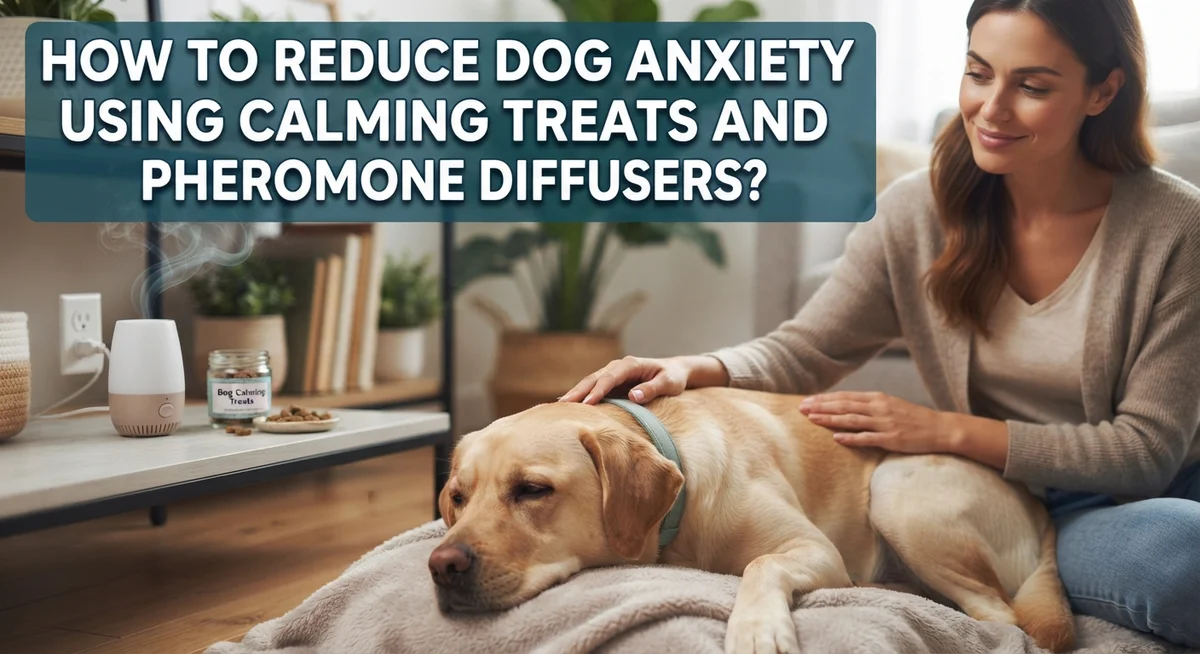
Calming treats often contain L-theanine, melatonin, or alpha-casozepine. These ingredients help soothe your dog’s nervous system. Pheromone diffusers release synthetic scents that mimic a mother dog’s natural calming signals.
This guide walks you through everything you need to know. You will learn how to use treats and diffusers correctly. You will discover the best ingredients to look for. We will also cover common mistakes that stop these tools from working.
In a Nutshell
- Pheromone diffusers plug into the wall and release calming scents. Place them in the room your dog uses most.
- Calming treats work best when given daily. Follow the product instructions for correct dosing.
- Consistency matters most. Both tools need regular use to show real results over time.
- Keep your dog’s daily routine steady. Sudden changes can undo the calming effects.
- Add exercise and positive training to your plan. These treatments work better alongside good habits.
- Avoid relying only on treats or diffusers. They support behavior work, but they don’t replace it.
- Watch diffuser placement closely. The wrong spot can weaken its calming effect.
- Give the process time. Anxiety relief builds gradually, not overnight.
Understanding Dog Anxiety: Signs and Triggers
Dog anxiety shows up in many ways. Some dogs shake or pant heavily. Others whine, pace, or hide in corners. A few dogs become destructive or have accidents indoors. These signs tell you your dog feels stressed or scared.
Common triggers include thunderstorms, fireworks, and loud noises. Separation anxiety happens when your dog panics after you leave. New environments, car rides, and visits to the vet also cause stress. Some dogs react badly to changes in their home or routine.
Your dog’s age matters too. Puppies and senior dogs often feel more anxious than adults. Past trauma or lack of early socialization can increase fear responses. Even genetics play a role—some breeds tend toward nervousness.
Understanding your dog’s specific triggers helps you plan better. Keep a simple log of when anxiety happens and what’s going on around your dog. Does she panic at certain times of day? Does she react to specific sounds? This information guides your next steps.
Anxiety affects your dog’s health and happiness. Stressed dogs have weaker immune systems and may develop behavior problems. Long term anxiety can lead to aggression or obsessive habits. Early intervention prevents these issues from getting worse.
The good news: anxiety is manageable. Many dogs respond well to calming support combined with a stable routine. Pheromone diffusers and calming treats work alongside each other to reduce stress signals your dog’s body sends. These tools work best when you use them consistently and pair them with a calm home environment.
Your veterinarian can rule out medical problems first. Sometimes physical illness causes anxiety symptoms. Once you know your dog is healthy, you can focus on behavioral and environmental support to help her feel secure and relaxed every day.
How Pheromone Diffusers Work to Calm Dogs
Pheromone diffusers work by releasing a synthetic copy of a natural calming chemical that mother dogs produce. This chemical is called Dog Appeasing Pheromone, or DAP. Your dog’s nose detects this scent, and her brain receives a “safe” signal.
The diffuser itself looks like a wall plug. You insert it into an outlet in the room where your dog spends the most time. The device gently warms a liquid cartridge inside, which releases the pheromone into the air. The scent spreads slowly and steadily throughout the space.
How the scent affects your dog’s brain is fascinating. When your dog inhales the pheromone, it travels to a special sensory area in her nose. This area connects directly to the part of her brain that controls emotions and stress responses. The pheromone essentially tells her nervous system to relax.
Research supports this approach. Studies show that DAP reduces separation anxiety, fear responses, and general stress in dogs. The effect builds over time with consistent use. You won’t see results after just one day. Instead, expect gradual improvement over one to two weeks.
The diffuser works best in enclosed or semi enclosed spaces. A bedroom, den, or crate area is ideal. Avoid placing it near windows, fans, or air vents, since airflow can scatter the scent unevenly.
Important to remember: pheromone diffusers work alongside other calming methods, not instead of them. Your dog still needs a calm environment, a steady routine, and regular exercise. Think of the diffuser as one tool in your anxiety management toolkit.
The scent is undetectable to humans, so you won’t smell anything. Your dog will notice it, though. Many dog owners report that their pets seem more settled and less reactive when a diffuser runs in their home.
How Calming Treats Support Relaxation
Calming treats work by delivering active ingredients directly into your dog’s system. These treats contain compounds like L-theanine, which helps reduce nervous energy without making your dog drowsy. Your dog’s brain receives signals to relax naturally.
Melatonin is another common ingredient found in these treats. It helps regulate your dog’s sleep and wake cycle, which becomes important during stressful situations. When your dog feels calmer, better sleep often follows.
Alpha-casozepine mimics a natural substance that nursing mother dogs produce. This ingredient sends calming signals to your dog’s nervous system. Studies show this compound helps reduce stress responses in anxious dogs.
Probiotics in calming treats support gut health. Your dog’s digestive system connects directly to mood and anxiety levels. A healthy gut often means a calmer dog overall.
The key to success is consistency. Give your dog the treats at the same time each day, following the product instructions carefully. Skipping doses reduces their effectiveness, so build this into your daily routine.
Calming treats work best when combined with other strategies. Exercise helps burn nervous energy your anxious dog carries. A tired dog is typically a calmer dog.
Environmental changes matter too. Create a quiet space where your dog can retreat during stressful moments. Soft bedding and minimal noise help these treats do their job more effectively.
Timing matters when giving these treats. Some dogs benefit from treats given before expected stressful events like thunderstorms or travel. Others need daily doses to maintain steady calm.
Results don’t happen overnight. Most dogs show improvement after two to three weeks of consistent use. Your patience during this period helps the treats work as intended.
Think of calming treats as one tool in your anxiety management plan. They support relaxation but cannot replace basic care, exercise, and positive training. Combined together, these approaches create real, lasting results for your anxious dog.
Step-by-Step: Setting Up Your Calming Routine
Start by choosing the right location for your pheromone diffuser. Pick the room where your dog spends the most time, such as the bedroom or living room. This location matters because the diffuser needs to warm and release the calming pheromone into the air where your dog actually rests.
Plug the diffuser into a standard wall outlet. Make sure the outlet is away from drafts, fans, or air conditioning vents. These air currents can push the pheromone away from your dog’s breathing space.
Next, establish a schedule for giving calming treats. Read the product instructions carefully to understand the recommended daily amount. Most treats work best when given at consistent times each day, such as morning and evening.
Create a calm space for your dog to relax. This area should be quiet, comfortable, and away from loud noises. Add a soft bed or blanket to make it inviting.
Combine your calming products with other helpful practices. Take your dog for regular walks and play sessions. Exercise helps burn nervous energy and improves overall mood.
Stick to a predictable daily schedule. Dogs feel safer when they know what happens next. Feed them at the same times, take walks at similar hours, and keep bedtime consistent.
Monitor your dog’s response over the first two to three weeks. Some dogs show improvement quickly, while others need more time. Keep notes about your dog’s behavior to track progress.
Remember that these tools work best together. The diffuser and treats support your dog’s calm state, but your consistent routine and peaceful home environment do the real work. Think of this as a complete system where every piece matters.
Best Practices for Maximizing Results
Best practices for maximizing results require a strategic approach. You need to understand that consistency matters more than intensity. Use your calming treats and pheromone diffuser every single day without skipping doses or forgetting to refill your diffuser.
Place your pheromone diffuser in the room where your dog spends the most time. This is typically a bedroom, living room, or den. The device works best in spaces that are enclosed or semi enclosed. Avoid placing it near windows, doors, or air vents where the scent disperses too quickly.
Time your calming treats strategically. Give them during moments when your dog typically feels anxious. If your dog struggles with afternoon restlessness, administer treats in the early afternoon. If nighttime causes problems, offer treats before bedtime. Follow the dosage instructions on your product carefully.
Combine these tools with behavioral support. Exercise your dog daily through walks, play sessions, or training activities. A tired dog is a calmer dog. Mental stimulation through puzzle toys or training games also reduces anxiety significantly.
Maintain a predictable daily routine. Dogs thrive on consistency. Feed them at the same times each day. Take walks at consistent hours. Create a designated calm space with a comfortable bed or crate where your dog can retreat.
Monitor your dog’s behavior closely during the first few weeks. Track which situations improve and which don’t. Some dogs show noticeable changes within days. Others need three to four weeks of consistent use before you see real progress.
Avoid the mistake of relying solely on these products. They work best as part of a complete anxiety management plan. Environmental management, positive training, and veterinary guidance create the foundation. Your calming treats and diffuser enhance these efforts rather than replace them.
Common Mistakes That Reduce Effectiveness
Many dog owners make simple mistakes that prevent calming treats and pheromone diffusers from working effectively. Understanding these errors helps you get better results for your anxious dog.
Skipping the diffuser placement step is a common problem. Some people plug diffusers into outlets in hallways or less-used rooms. Your dog spends time where the pheromone concentration matters most. Place your diffuser in the room where your dog actually stays during anxious moments like thunderstorms or when you leave home.
Another mistake involves giving up too quickly. Dog owners sometimes expect instant results after one or two doses of treats. Anxiety relief builds gradually over days and weeks of consistent use. Your dog’s nervous system needs time to respond to the calming ingredients.
Inconsistent treat schedules also reduce effectiveness. If you skip days or forget doses, your dog doesn’t receive steady support. The active ingredients work best when given regularly as directed. Mark your calendar or set phone reminders to stay on track.
Some people ignore environmental factors while using these products. A calm space matters just as much as the treats and diffuser. If your dog lives in a chaotic, loud environment with unpredictable routines, even the best products struggle to help. Combine your calming tools with a peaceful setting and stable daily schedule.
Mixing products without reading instructions causes problems too. Different treats and diffusers have different strengths and usage guidelines. Always follow the specific directions for each product you choose.
Finally, owners sometimes expect these tools to work alone. Calming treats and diffusers work best alongside other support like exercise, training, and behavioral techniques. Think of them as helpful additions to your overall anxiety management plan, not complete solutions by themselves.
Troubleshooting: When Calming Methods Aren’t Working
Your dog might not show improvement for several reasons. First, check if you’re using the products correctly. Many owners place diffusers in the wrong location or forget to refill them regularly. A diffuser only works when it’s actively releasing pheromones into the air.
Timing also matters with calming treats. Some dogs need treats given 30 to 60 minutes before a stressful event. If you give them randomly, your dog won’t build the calming response you want.
Your dog’s anxiety might stem from a deeper issue. Calming treats and diffusers help manage symptoms, but they don’t fix underlying problems. If your dog has severe separation anxiety or trauma, these tools alone won’t solve it. You may need professional help from a veterinary behaviorist.
Environmental stress can also block progress. If your home is chaotic with loud noises or frequent changes, calming products won’t be as effective. Create a quiet, safe space where your dog can relax while using these tools.
Consider your dog’s individual needs too. Some dogs respond better to certain ingredients than others. If one type of calming treat isn’t working after three weeks of consistent use, try a different formula with different active ingredients.
Watch for signs that your approach needs adjustment. Is your dog still panting, pacing, or whining? Does the diffuser need refilling? Are you maintaining a consistent routine?
Sometimes you need to combine these products with additional strategies. Training exercises, increased exercise, and behavior modification work alongside calming treatments. Your veterinarian can recommend other options if these methods aren’t helping.
Document what you observe. Track when anxiety happens, what you tried, and how your dog responded. This information helps your vet identify the real problem and suggest better solutions for your specific dog.
Final Thoughts
Reducing your dog’s anxiety takes patience and consistency. Calming treats and pheromone diffusers offer real, research backed support. But they work best as part of a bigger plan.
Think of these tools as building blocks. They calm your dog’s nervous system. This makes new habits and training easier to teach.
Dog appeasing pheromone has strong scientific backing. Studies show it reduces fear and distress in many dogs. Calming treats with ingredients like L-theanine and melatonin add another layer of support.
Every dog responds differently. Your neighbor’s dog might improve fast. Yours might need more time. This is completely normal.
Stay patient during the process. Give each product enough time to work. Sudden changes rarely happen overnight.
Keep watching your dog’s behavior. Small improvements often signal bigger changes ahead. Write down what helps and what doesn’t.
Your daily involvement matters most. No treat or diffuser replaces your presence and care. Your calm energy teaches your dog to feel safe too.
Talk to your vet if anxiety persists. Some dogs need extra support beyond treats and diffusers. A professional can guide you toward the right next steps.
Remember that anxiety management is a journey, not a quick fix. Some days will look better than others. That is completely okay.
Small, steady efforts add up over time. Your dog learns to trust the process just as you do. Celebrate every small win along the way.
With the right combination of tools, patience, and love, most dogs find real relief. Calmer days are possible. Your dedication makes all the difference in your dog’s comfort and happiness.
Frequently Asked Questions
How long does it take to see results from calming treats and pheromone diffusers?
Results vary from dog to dog. Some dogs show improvement within a few days, while others need two to four weeks of consistent use. The key is steady application without skipping doses or diffuser operation.
Think of these tools like building blocks. Each day of use adds to the calming effect. Your dog’s body needs time to adjust to the ingredients and pheromone signals.
Can I use calming treats and pheromone diffusers together?
Yes, you can absolutely use both at the same time. Many dog owners find that combining them works better than using just one method. The treats work internally while the diffuser creates a calm environment around your dog.
Just make sure you follow the instructions for each product separately. Never mix or overdose on either option.
What ingredients should I look for in calming treats?
The most effective ingredients include L-theanine, melatonin, alpha-casozepine, and probiotics. L-theanine promotes relaxation without drowsiness. Melatonin helps with sleep and overall calm. Alpha-casozepine comes from milk proteins and has research support.
Probiotics support gut health, which connects to mood and anxiety levels. Check the ingredient list before choosing any product.
Do these products work for all types of dog anxiety?
Calming treats and diffusers help with many anxiety types. They work well for separation anxiety, thunderstorm fear, and general stress. However, they manage symptoms rather than solve underlying behavioral issues.
If your dog has severe anxiety, talk to your vet. You may need additional training or professional behavior support alongside these tools.
Where should I place the pheromone diffuser for best results?
Place the diffuser in the room where your dog spends the most time. Bedrooms and living areas work well. Make sure nothing blocks the diffuser outlet, so the pheromone scent spreads freely through the space.
Avoid placing it near air vents or fans that might push the scent away too quickly.