
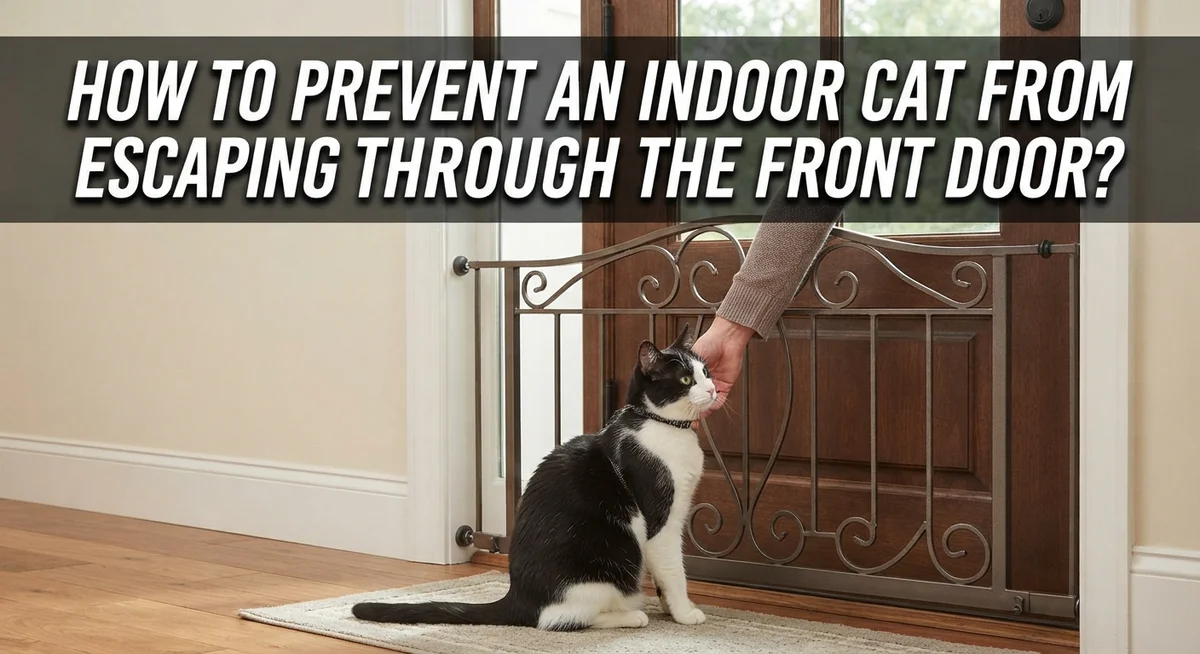
How to Prevent an Indoor Cat From Escaping Through the Front Door?
Does your cat dash toward the front door every time it opens? You are not alone.
Many indoor cats treat the front door like an exciting escape route. This habit can feel stressful for any pet owner.
The good news is that you can teach your cat to stay calm near the door. Training works better than relying on physical barriers alone.
Your cat’s history matters too. Cats with outdoor experience often have a stronger urge to bolt outside.
This guide will show you simple, effective steps to stop door dashing for good. You will learn why positive reinforcement beats scare tactics every time.
We will cover common mistakes many owners make without realizing it. Things like eye contact, verbal cues, or affection near the door can actually encourage escape behavior.
By the end, you will have practical tools to keep your cat safe indoors. No more heart racing moments when someone opens the front door.
Let’s get started on building better habits together.
In a Nutshell
- Training beats barriers. Physical blocks can help, but teaching your cat to stay calm works better long term.
- Stay neutral near the door. Skip the affection, eye contact, and chatty greetings when you walk in or out.
- Set an invisible line. Picture a boundary around your door area. Your cat should learn not to cross it without permission.
- Reward calm behavior. Praise your cat only when they stay relaxed and away from the door zone.
- Know your cat’s past. Former outdoor cats often have a stronger urge to escape than lifelong indoor pets.
- Be consistent every single day. Mixed signals confuse your cat and slow down progress.
Why Cats Bolt for the Door: Understanding the Behavior
Your cat’s urge to bolt through the front door stems from natural instincts and curiosity. Understanding why this happens helps you address the behavior effectively.
Curiosity drives most door dashing. Cats are naturally inquisitive animals. The door represents a boundary between their known indoor space and an unknown world full of sounds, smells, and movement. Every time the door opens, your cat gets a sensory rush that feels irresistible.
The outdoor environment calls to them. Even cats raised entirely indoors respond to stimuli beyond the door. They hear birds chirping, smell other animals passing by, and sense activity happening outside. These triggers activate their hunting instincts and exploration drive.
Social factors play a role too. Some cats bolt because they associate the door with your departure. They may want to follow you or fear being left alone. Others dash out during moments of excitement or stress, using escape as a way to cope with emotions.
Previous outdoor experience intensifies the urge. If your cat lived outside before becoming an indoor pet, the desire to escape runs deeper. They remember the freedom, the hunting opportunities, and the sensations of outdoor life. This memory makes them more motivated to slip through any open door.
Age and personality matter. Younger, more energetic cats tend to bolt more frequently than older, calmer pets. Highly social or anxious cats may also show stronger door dashing behavior.
Boredom amplifies the problem. A cat without enough mental or physical stimulation indoors becomes more obsessed with what lies beyond the door. The outside world seems like an exciting escape from routine.
Recognizing these motivations helps you create targeted solutions that address the root cause rather than just the symptom.
Training vs. Physical Barriers: Which Works Better
Training and physical barriers serve different purposes, and the research shows that training works better long term. However, the best approach combines both methods for maximum safety.
Physical barriers like baby gates, door guards, or vestibules stop your cat immediately. They create a literal wall between your pet and freedom. These tools work well as a backup plan, especially during moments when you’re distracted or in a rush.
Behavioral training, however, addresses the root cause. When you teach your cat to stay calm near the door, you’re changing how they respond to that space. This skill stays with them forever, even if barriers fail or you move to a new home.
Training takes longer than installing a gate. You need consistency over weeks, not days. But once your cat learns the behavior, you gain true peace of mind. Your pet won’t panic or bolt if a guest forgets to close the door carefully.
The key difference is this: barriers prevent escapes in the moment. Training prevents the urge to escape altogether.
Many owners find success using barriers first while they train. The gate keeps your cat safe while you build new habits together. Once training sticks, you can rely less on physical obstacles.
Your cat’s individual personality matters too. Some pets respond quickly to training within two to three weeks. Others need more time and patience. Younger, more energetic cats often require longer training periods than older, calmer companions.
Start with training immediately, even if you install barriers today. This dual approach gives your cat the best chance of staying safe and content indoors.
Step-by-Step: Teaching Your Cat to Stay Calm at the Door
Teaching your cat to stay calm at the door takes patience and consistency. Start by avoiding all affection near the entrance. When you arrive home or leave, don’t pet your cat, make eye contact, or speak to them in that zone. This removes the reward they get from being near the door.
Your cat learns quickly through repetition. Every time you open the door, your cat should see the same calm response from you. No excitement, no talking, no sudden movements. Treat it like any other part of your home.
Create an invisible boundary about three feet from the door. Your cat should learn that staying beyond this line means good things happen. When they relax away from the entrance, that’s when you offer praise and attention. Reward calm behavior immediately so they connect staying back with positive outcomes.
Practice opening and closing the door multiple times daily. Start when your cat is already relaxed in another room. Open the door for just a few seconds, then close it. Gradually increase the time as your cat remains calm. This desensitizes them to the door opening.
Consistency matters more than intensity. Training for five minutes every day works better than an occasional intense session. Your cat needs to understand that the rule never changes, no matter what time of day it is.
Watch for signs your cat is getting stressed or overstimulated. Heavy panting, dilated pupils, or constant pacing means it’s time to take a break. Training should feel natural and low pressure for both of you. Progress happens slowly, but it creates lasting results that barriers alone cannot achieve.
Using Neutral Behavior and the Imaginary Perimeter Technique
Your cat needs to learn that the door area is not a place for excitement or interaction. This approach uses your own behavior as the training tool. When you practice neutral behavior, your cat stops associating the door with attention or playtime.
Start by removing all emotional responses near the door. Do not make eye contact with your cat when you approach the entrance. Stay silent. Avoid speaking to your cat, even to say hello. Your goal is to make the door boring and unremarkable.
The imaginary perimeter technique creates a mental boundary your cat respects. Establish an invisible line about three feet away from your door. Your cat should learn that crossing this line brings no reward. More importantly, staying behind the line becomes the expected behavior.
Practice this daily by opening and closing your door without acknowledging your cat’s presence. Do this multiple times each session. Your cat will gradually understand that door activity does not involve them.
Never reward your cat with attention when they approach the door. If your cat sits calmly behind the imaginary perimeter, do not pet them or talk to them at that moment. Wait until you move away from the door area to offer praise or interaction.
This training works because cats repeat behaviors that get results. When the door area produces zero attention and zero excitement, your cat’s motivation to dash decreases significantly.
Consistency is critical here. Every family member must follow the same neutral approach. Mixed signals confuse your cat and slow progress dramatically. Stick with this method for at least two weeks before expecting noticeable changes in your cat’s behavior.
Positive Reinforcement vs. Scare Tactics: Choosing Your Approach
Positive reinforcement and scare tactics represent two very different approaches to stopping door escapes. Understanding which method works best helps you choose the right strategy for your cat.
Positive reinforcement rewards your cat for good behavior near the door. When your cat stays calm and doesn’t rush toward the entrance, you give treats, praise, or playtime. This teaches your cat that staying back from the door brings good things. Your cat learns to associate the door area with relaxation instead of excitement.
Scare tactics use loud noises, sprays, or sudden movements to discourage door approach. The goal is to make your cat afraid of the door zone. However, this method creates anxiety and stress around the entrance.
Research shows positive reinforcement works better long term. Cats trained with rewards develop genuine calmness at the door. They don’t escape because they’ve learned that staying inside brings happiness. This addresses the root cause of the escape behavior.
Scare tactics often backfire. Your cat may become anxious or fearful whenever the door opens. Stressed cats sometimes bolt harder because they’re panicked. They also may develop other behavioral problems from the fear.
The key difference is motivation. Positive reinforcement teaches your cat what you want them to do. Scare tactics only teach what to avoid through fear.
Most experts recommend positive reinforcement as your primary method. This approach is humane, effective, and creates a calm, happy cat. Start rewarding your cat immediately for staying away from the door. Use treats they absolutely love. Make the reward bigger than any desire to escape.
Consistency matters most. Practice daily with small rewards for calm behavior. Your cat will quickly learn that the door area means good things happen when they stay relaxed and in place.
How a Cat’s History (Indoor vs. Outdoor) Affects Escape Drive
A cat’s background shapes how badly they want to escape through your front door. This matters because understanding your cat’s history helps you pick the right prevention strategy.
Cats raised entirely indoors have never experienced the outdoor world. They feel less pull toward the door because they don’t know what’s beyond it. These cats typically respond well to basic training and behavioral redirects. Their escape drive exists, but it’s usually weaker and easier to manage.
Previously outdoor cats have tasted freedom. They remember smells, sounds, and the thrill of exploring. These cats often have a stronger urge to slip outside. They recognize the door as a gateway to their old life. Training takes longer with this group, and you may need more patience and consistency.
Some cats spent time outdoors and then moved indoors. They struggle the most with door escapes because they know exactly what they’re missing. The pull feels almost irresistible to them. Your training approach needs extra reinforcement and repetition.
A cat’s age also plays a role. Younger cats have more energy and curiosity. Older indoor cats usually care less about escaping. However, any cat can develop escape habits if given the chance.
The key insight is this: your cat’s history predicts their motivation level. An indoor only cat might stop trying after a few weeks of training. A former outdoor cat might test the door for months. This doesn’t mean training fails. It means you need realistic expectations and staying power. Adjust your timeline based on your cat’s background, and you’ll see better results faster.
Common Mistakes That Undermine Door Training
Many cat owners accidentally train their cats to escape by making common mistakes during door training. Understanding these errors helps you avoid reinforcing the exact behavior you want to stop.
The biggest mistake is showing affection near the door. When you pet, talk to, or make eye contact with your cat by the entrance, you reward door interest. Your cat learns that the door area brings positive attention. This backfires completely. Instead, maintain a completely neutral demeanor whenever you approach or open the door. No talking, no eye contact, no touching.
Another critical error is relying only on physical barriers. Many owners install gates or use furniture to block the door. Physical obstacles alone don’t work long term. Your cat simply waits for the barrier to move or finds another way to escape. Behavioral training must happen alongside any physical prevention.
Inconsistency destroys your progress faster than anything else. If you enforce the imaginary perimeter one day but ignore door behavior the next day, your cat gets confused. They don’t understand which behavior earns rewards. Training requires the same response every single time.
Some owners also punish escape attempts with fear tactics. Yelling, spraying water, or using noise makers often backfire. Your cat becomes anxious about the door itself, not about escaping. This increases stress and can worsen escape attempts.
Finally, many people underestimate how much their cat’s history matters. Cats with outdoor experience have stronger escape drives. They remember freedom. This means they need longer, more patient training than indoor only cats.
Avoid these mistakes by staying consistent, maintaining neutrality, and combining training with understanding your cat’s background. Success takes time but works reliably.
Troubleshooting: When Your Cat Still Tries to Escape
Your cat still tries to escape despite your training efforts. This happens more often than you think, and it doesn’t mean you failed. Let’s figure out what’s going wrong and fix it.
Check your training consistency first. Did you maintain neutral behavior every single time you open the door? Even one slip up where you make eye contact or speak to your cat can reset your progress. Your cat notices everything. They remember the one time you acknowledged them at the door more than the fifty times you ignored them.
Evaluate your cat’s motivation level. Some cats have a stronger escape drive than others. If your cat was outdoor before, they may need longer training periods. Indoor only cats typically respond faster to behavioral training. The drive to escape isn’t the same for every cat.
Look at your imaginary perimeter. Is it actually working? Your cat should stay several feet away from the door zone. If they’re still creeping closer, you need to expand the perimeter and restart training from a greater distance.
Watch for hidden rewards. Are you accidentally rewarding escape attempts? Sometimes owners give attention after failed escapes like “Oh no, kitty almost got out!” Your cat interprets this as engagement. Stay completely silent and emotionless during these moments.
Consider environmental changes. Did something new happen near your door? New smells, sounds, or sights outside can trigger escape attempts. Your training works, but external stimulation might override it temporarily.
Be patient with progress. Behavioral training takes weeks, not days. Some cats need two to three months of consistent work before the escape drive truly fades.
Final Thoughts
Keeping your cat safely indoors takes patience. Training works better than barriers alone. Your cat learns to stay calm near the door instead of just being blocked by it.
Remember to stay neutral every time you open the door. No eye contact. No talking. No excitement.
This consistency teaches your cat that the door area is boring. Boring means your cat has no reason to rush toward it.
Your cat’s past matters too. Indoor only cats usually adjust faster. Cats who once lived outside need more time and patience.
Don’t get discouraged if progress feels slow. Every cat learns at their own pace. Some cats master this in weeks. Others take months.
Small daily efforts add up over time. Each calm moment near the door builds a stronger habit. Your cat starts to see the door as unremarkable.
Avoid falling back into old habits. Even one slip up with affection near the door can confuse your cat. Stay firm and stay consistent.
Combine training with smart environmental setup. A quiet imaginary perimeter around the door helps reinforce your training. This gives your cat a clear boundary to respect.
Watch your cat’s behavior closely. Notice small wins like sitting calmly when the door opens. These moments show your training works.
Trust the process even when results feel slow. Your cat’s safety depends on your consistency, not perfection.
With time, patience, and steady practice, your cat will learn to stay calm near the front door. This keeps them safe indoors and gives you peace of mind every single day.
Frequently Asked Questions
Why does my cat want to escape through the front door?
Cats escape for several reasons. Some want to explore the outdoor environment. Others hear or smell something outside that triggers their curiosity. Indoor cats may also feel bored or understimulated inside your home.
Your cat’s history matters too. Cats with outdoor experience often have a stronger escape drive than cats raised entirely indoors. Understanding your cat’s motivation helps you address the root cause more effectively.
Is training better than using physical barriers?
Yes. Behavioral training works better than physical barriers alone. Barriers like baby gates or door locks help, but they don’t teach your cat what to do instead.
Training teaches your cat to stay calm and remain away from the door. This creates a lasting solution because your cat learns the correct behavior. Physical barriers only work when they’re in place. Training works everywhere, every time.
What’s the fastest way to train my cat?
Consistency is the fastest path. Stay neutral every single time you open the door. No eye contact, no talking, no affection near the door area.
Avoid rewarding door zone behavior with attention. Keep your cat several feet away from the entrance. Practice this daily without exception. Speed depends on your cat’s personality and history, but most cats show progress within 2 to 4 weeks with consistent training.
Can a cat who lived outdoors ever learn to stay inside safely?
Yes, but it takes longer. Previously outdoor cats have stronger escape instincts. They remember outdoor experiences and may try harder to get back outside.
These cats need extra patience and consistency. The same training methods work, but you may need more time. Some cats adjust within a few weeks. Others need several months of steady practice before they stop trying to escape.