How to Calm a Puppy Who Gets Car Sickness and Vomits?
Does your puppy drool, whine, or throw up during car rides? You are not alone. Many puppies feel sick in cars because their inner ear is still sensitive to motion.
The good news is that car sickness is very treatable. With patience and the right steps, your puppy can learn to enjoy rides instead of fearing them.
This guide will show you simple ways to calm a puppy who gets car sick. You will learn how to prepare before a trip, including food timing and secure seating.
By the end, you will have a clear plan to help your puppy feel safe and relaxed on every car ride. Let’s get started on making travel stress free for your furry friend.
In a Nutshell
Never punish your puppy for vomiting. This only adds stress and makes the sickness worse over time.
Start with short trips. Back the car out of the driveway and return. This helps train the inner ear slowly.
Skip meals before travel. An empty stomach travels much better than a full one. Restrict food a few hours before any ride.
Keep the car cool and fresh. Crack a window slightly. Cool air helps settle a queasy tummy quickly.
Use comfort items. A familiar blanket or toy can ease anxiety. It makes the car feel like a safe space.
Secure your puppy properly. Use an approved harness or seat belt. Face them forward to reduce visual motion triggers.
Talk to your vet if needed. Medication and gradual desensitization work well together for severe cases.
Why Puppies Get Carsick: Understanding the Root Causes
Your puppy’s stomach gets upset in the car for clear, biological reasons. The main culprit is inner ear sensitivity. Your puppy’s inner ear controls balance and motion detection. When the car moves, this sensitive system sends confusing signals to the brain.
Young puppies have developing inner ears that are extra reactive to movement. This sensitivity naturally decreases as puppies grow older. However, without proper exposure and training, some puppies never fully adjust.
Anxiety plays a huge role too. If your puppy associates the car with scary experiences, stress hormones kick in. This stress makes nausea worse. A nervous puppy is more likely to vomit than a calm one.
The combination of motion plus anxiety creates the perfect storm for car sickness. Your puppy’s body responds by producing excess saliva and stomach acid. Vomiting follows shortly after.
Environmental factors matter significantly. A hot car makes nausea worse. Poor air circulation increases discomfort. Loud noises and sudden movements trigger panic, which triggers vomiting.
Feeding your puppy right before travel adds another problem. A full stomach combined with motion equals guaranteed sickness. The digestive system cannot handle movement while processing food.
Improper restraint also causes stress. If your puppy slides around the car, bounces between seats, or feels unsafe, anxiety spikes. This physical instability makes the inner ear even more confused.
Understanding these root causes helps you fix the problem. You are not dealing with a stubborn or weak puppy. Your puppy has a real physical and emotional response to car travel. The good news is that all these causes are manageable with the right approach. Desensitization, environmental control, and comfort work together to solve car sickness naturally.
Recognizing the Signs of Car Sickness Before It Escalates
Your puppy gives you clear signals before vomiting happens. Learning to spot these signs helps you stop car sickness before it escalates into a messy situation.
Drooling is often the first warning sign. If your puppy suddenly drools more than usual during a car ride, nausea is building. You may notice your puppy swallowing repeatedly or licking lips constantly. These mouth movements show your puppy’s stomach is upset.
Whining and restlessness come next. Your puppy may pace around the car, shift positions frequently, or seem unable to settle down. Some puppies pant heavily or breathe faster than normal. Your puppy might also try to hide or curl into a tight ball.
Yawning excessively is another red flag. Puppies yawn when anxious or experiencing motion discomfort. This differs from normal tiredness yawning. Watch for yawning that happens repeatedly over a short time period.
Your puppy’s body language tells you plenty too. Ears flatten against the head. Eyes may look glazed or unfocused. Your puppy’s tail drops or tucks between the legs. Some puppies stare out the window intensely or refuse to look around at all.
The key is acting fast when you see these signs. Stop the car safely and let your puppy get fresh air. Open a window or step outside for a few minutes. Let your puppy stand still and breathe. This pause often prevents actual vomiting.
Recognizing these early signals gives you time to help your puppy feel better. You can turn the car around, pull over, or slow down. The sooner you respond, the better you can manage your puppy’s discomfort and build positive car associations over time.
Preparing the Car and Puppy Before You Drive
Your puppy needs a calm, controlled environment before the car even starts moving. This preparation phase is where you build confidence and reduce anxiety from the ground up.
Start by letting your puppy sit inside the parked car with the engine off. Leave the doors open so your puppy feels safe and doesn’t sense being trapped. Spend 5 to 10 minutes here while your puppy explores the space. Bring a familiar blanket or toy to create comfort. This simple step teaches your puppy that the car is a safe place, not something to fear.
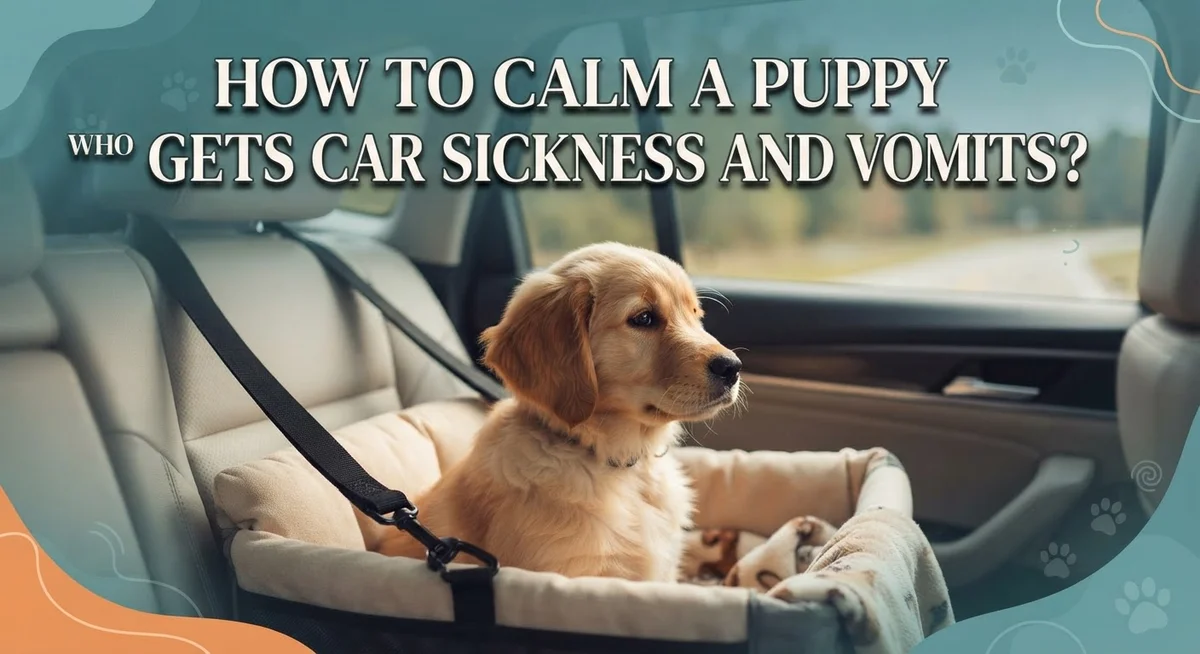
Next, secure your puppy properly using an approved harness or car seat belt designed for dogs. A loose puppy bounces around during movement, which increases nausea and anxiety. Position your puppy to face forward, as this aligns better with the inner ear’s motion sensors. Proper restraint prevents unnecessary stress before you even drive.
Check your car’s temperature settings. A cool car with fresh air flowing reduces nausea significantly. Crack a window slightly to allow air circulation without creating drafts that startle your puppy.
Feed your puppy at least 2 to 3 hours before any car ride. An empty stomach travels much better than a full one. Skip treats and large meals entirely on travel days.
Place towels or a washable mat under your puppy’s crate or seat area. Accidents happen during the desensitization process, and having protection makes cleanup easier and keeps your puppy from feeling embarrassed about the mess.
Never punish your puppy for vomiting. Scolding increases anxiety, which makes car sickness worse. Stay calm and supportive throughout this preparation phase.
Step-by-Step Desensitization Training for Car Rides
Start desensitization by sitting in the parked car with your puppy. Keep the engine off and doors open. Let your puppy explore the space freely. Sit together for 5 to 10 minutes daily for several days. This builds comfort without any movement or noise.
Next, sit in the car with the engine running but stay parked. Start the engine, let it idle for a minute, then turn it off. Do this once daily for 3 to 5 days. Your puppy learns that engine sounds don’t mean danger.
After your puppy relaxes with the engine running, take a very short drive. Back out of your driveway and return immediately. This first trip should last under one minute. Keep it calm and quiet inside the car. Praise your puppy gently when the ride ends.
Gradually increase drive length over the next week or two. Go from one minute to three minutes to five minutes. Never rush this process. Your puppy’s inner ear needs time to adjust to motion signals. Slow progress prevents setbacks and anxiety.
Stop the car if your puppy shows early warning signs like drooling or whining. Let your puppy walk and breathe fresh air for a few minutes. This pause often settles their stomach before vomiting happens.
Practice consistency above all else. Short daily sessions work better than occasional long trips. Your puppy’s body adapts to gentle, repeated exposure. Most puppies improve significantly within two to three weeks of steady desensitization work.
Keep car rides positive by offering praise and calm energy. Your relaxed attitude directly influences your puppy’s stress level. Patience during this training phase pays off with a confident, comfortable car companion.
Calming Techniques to Use During the Drive
During the drive itself, your focus shifts to keeping your puppy calm and comfortable. The moment you start the engine, your puppy’s anxiety can spike. Speak in a soft, steady voice throughout the ride. Your puppy picks up on your tension, so stay relaxed yourself.
Position your puppy to face forward in the car. This helps their inner ear adjust better than facing sideways or backward. Keep the temperature cool and crack a window slightly for fresh air. Stale, warm air makes nausea worse.
If your puppy starts showing early warning signs like drooling or whining, pull over safely and stop the car. Let your puppy walk around for a few minutes. This pause often settles their stomach before vomiting happens. Resume driving only when your puppy seems calm again.
Avoid sudden movements and sharp turns when possible. Smooth acceleration and gentle braking reduce motion discomfort. If you must make a longer drive, plan stops every 15 to 20 minutes for younger puppies.
Bring a familiar blanket or toy your puppy loves. Familiar scents provide comfort and distraction. Place this item near your puppy during the ride.
Never scold or punish your puppy if vomiting occurs. This only increases anxiety and makes the problem worse next time. Instead, stay calm and clean up gently once you’ve safely pulled over.
Play soft, calming music or maintain quiet silence. Loud noises startle puppies and trigger stress responses. Some puppies relax better with gentle background sounds.
Keep these drives short while your puppy builds tolerance. Consistency matters more than duration. Daily short trips help your puppy’s inner ear adapt faster than occasional long journeys.
Handling Vomiting Episodes Calmly and Cleanly
When your puppy vomits in the car, staying calm is your most important job. Your puppy picks up on your stress and anxiety. If you panic, your puppy will feel more scared and sick.
Keep cleaning supplies within arm’s reach. Store paper towels, washable cloths, and a small waste bag in your car at all times. This preparation helps you respond quickly without fumbling around.
If vomiting happens, pull over to a safe location as soon as possible. Turn off the engine and open the windows for fresh air. Your puppy needs to know this is not a punishment situation. Speak in a soft, reassuring voice while you clean up.
Use this moment to help your puppy feel safe. Offer water in small amounts once your puppy settles. Wait a few minutes before offering anything else. Some puppies feel better after a brief rest outside the car.
Clean the affected area thoroughly with appropriate cleaning supplies. Remove all traces of vomit so your puppy does not associate the car with that smell. Odor can trigger nausea on future rides.
After cleaning, give your puppy time to recover. You can resume driving if your puppy seems ready, or you can head home depending on the situation. Never rush back into the car immediately.
Praise your puppy for staying calm during the episode. Use a gentle tone and positive words. This teaches your puppy that accidents happen and everything is still okay.
Track when vomiting occurs during your desensitization process. Does it happen at certain speeds or road types? This information helps you adjust your training plan and identify specific triggers affecting your puppy’s comfort level.
Common Mistakes That Make Car Sickness Worse
Many owners accidentally make car sickness worse without realizing it. Understanding these mistakes helps you support your puppy better.
Punishing or scolding your puppy during vomiting is the biggest error. Your puppy doesn’t vomit on purpose. When you scold, your puppy becomes anxious. Anxiety increases nausea and makes the problem worse. Your puppy learns to fear car rides even more.
Feeding large meals before travel causes unnecessary vomiting. A full stomach makes motion sickness more likely. Feed your puppy a light meal at least two to three hours before the drive.
Rushing the desensitization process backfires quickly. Some owners skip the parked car steps and jump straight to long drives. Your puppy’s inner ear needs time to adjust. Fast progress leads to setbacks and increased anxiety.
Improper crate placement creates problems too. Placing the crate where your puppy can see out the side windows increases motion sickness. Position the crate so your puppy faces forward instead.
Not maintaining a cool, comfortable environment worsens symptoms. A hot, stuffy car increases nausea. Crack the windows slightly for fresh air circulation. Keep the temperature cool and comfortable.
Inconsistent training efforts slow improvement. Taking long drives one week and short drives the next confuses your puppy’s body. Short, daily sessions work far better than occasional long trips.
Ignoring early warning signs like drooling or whining means missing your chance to help. Pull over when you notice these signals. Your quick response prevents vomiting and builds your puppy’s confidence.
Avoiding these mistakes keeps your puppy calm and helps car sickness improve faster. Patience and consistency are your best tools.
When to Consult a Veterinarian for Additional Support
Your puppy’s car sickness might need professional help. A veterinarian can identify whether motion sickness is the real issue or if something else is causing the vomiting.
Schedule a vet visit if your puppy vomits during every car ride, even after weeks of gradual training. This pattern suggests your puppy needs medical support beyond environmental adjustments.
Visit your veterinarian if vomiting happens outside the car too. Your puppy might have an underlying digestive issue or ear problem that requires treatment.
Medication can help significantly. Your vet may prescribe anti nausea medication or anti anxiety medication before car trips. These options work well when combined with your desensitization efforts.
Discuss your puppy’s age during the appointment. Very young puppies sometimes outgrow car sickness naturally as their inner ear develops. Your vet can predict whether waiting or medication is best.
Tell your vet about your desensitization progress. Share which techniques you’ve tried and how your puppy responded. This information helps your vet choose the right treatment plan.
Ask about anxiety as a factor. Some puppies vomit from fear rather than motion sensitivity. Your vet can recommend calming strategies or medication specifically for anxiety.
Bring a symptom diary to your appointment. Note when vomiting occurs, what your puppy ate beforehand, car temperature, and trip duration. Patterns in this data help your vet diagnose accurately.
Request a follow up appointment after starting any medication. Your vet needs to monitor how your puppy responds and adjust treatment if needed.
Never assume car sickness will disappear on its own. Professional guidance speeds recovery and prevents your puppy from developing deeper anxiety about car rides. Your vet partnership ensures your puppy gets the right support quickly.
Final Thoughts
Car sickness in puppies feels stressful. But it does get better with time and patience.
Most puppies outgrow motion sickness as their inner ear matures. Your consistent effort speeds up this process.
Start small and stay consistent. Short trips build confidence faster than long drives ever will.
Your puppy watches how you react. Stay calm during every car ride, even if vomiting happens.
Never punish your puppy for getting sick. This only creates more fear around car rides.
Fresh air and cool temperatures help most puppies feel better. Simple adjustments make a real difference.
A familiar blanket or toy gives comfort during stressful moments. Small comforts matter more than you think.
Watch for early signs like drooling or whining. These signals give you time to act before vomiting starts.
Pull over when needed. A quick walk often settles your puppy’s stomach and nerves.
Track your progress in a simple diary. Notes on food, timing, and symptoms help spot patterns.
Talk to your vet if vomiting continues despite training. Medication can support your desensitization efforts.
Every puppy learns at a different pace. Some improve within weeks while others need more time.
Your patience makes the biggest impact here. Puppies sense stress, so calm energy helps them relax faster.
Celebrate small wins along the way. A shorter drive without vomiting is real progress worth noting.
With the right approach, most puppies learn to enjoy car rides. Consistency and kindness create lasting change.
Trust the process and adjust as needed. Your puppy’s comfort will grow with each passing week.
Frequently Asked Questions
How long does it take for a puppy to outgrow car sickness?
Most puppies outgrow motion sickness as their inner ear develops. This usually happens between 3 to 6 months old. Some puppies take longer depending on sensitivity levels. Consistent desensitization training speeds up the process. Start with short trips and gradually increase drive time. Your puppy’s age matters here. Younger puppies need more patience than older ones.
Should I feed my puppy before a car ride?
No. Feed your puppy at least 2 to 3 hours before traveling. An empty stomach reduces nausea and vomiting chances. Small snacks are okay if the ride is short. Avoid large meals right before any car trip. Water is fine to offer, but limit it 30 minutes before departure. This simple step prevents most vomiting incidents.
What does car sickness look like in puppies?
Watch for drooling, whining, or restlessness first. Your puppy may pace around or seem anxious. Yawning happens often too. Some puppies become very quiet and still. Vomiting comes last, not first. Pull over immediately when you see these early signs. Let your puppy walk around and breathe fresh air. Getting out of the car helps reset their system.
Can anxiety cause car sickness in puppies?
Yes. Anxiety and motion sickness often happen together. Some puppies fear the car itself, not just movement. Loud noises, unfamiliar spaces, or past bad experiences trigger anxiety. A familiar blanket or toy helps puppies feel secure. Calm your own energy too. Puppies sense stress from their owners. Speak in soft tones and move slowly during rides.
What if my puppy still vomits after training?
Schedule a vet appointment. Your puppy may need medication to help. Anti nausea or anti anxiety medication works well for some puppies. Bring a symptom diary showing when vomiting happens. Tell your vet about the desensitization work you’ve done. Discuss your puppy’s age and overall health. Your vet can rule out other health issues too.