
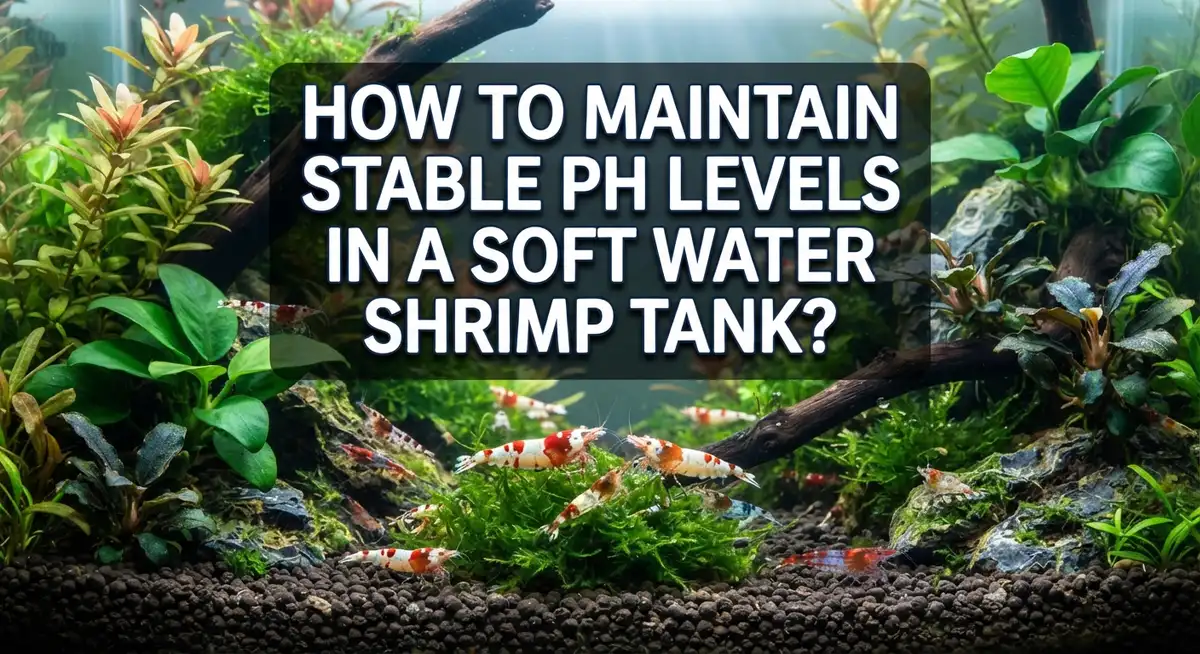
How to Maintain Stable pH Levels in a Soft Water Shrimp Tank?
Keeping shrimp happy in soft water sounds simple. But pH stability is often the hardest part. Soft water has low buffering capacity. This means pH can swing fast without warning.
Caridina shrimp need a stable pH between 5 and 6.5. Even small changes can stress them out.
The good news? You can control these factors with simple steps.
This article will show you how KH and pH work together in soft water tanks. You will learn how to spot common mistakes before they harm your shrimp.
By the end, you will know how to build a soft water tank that stays balanced. Your shrimp will thank you with better health and more visible activity.
In a Nutshell
Stability beats perfection. Your shrimp care more about a steady pH than hitting an exact number.
Watch your KH levels. Low carbonate hardness means your water buffers poorly, so pH can crash fast without warning.
Use crushed coral wisely. Place it in a mesh bag to slowly raise and stabilize pH without causing sudden spikes.
Cap your substrate with sand. This simple step blocks harsh pH swings and keeps conditions calm for your shrimp.
Check driftwood carefully. It releases tannins that lower pH, so remove or monitor it if levels drop too much.
Test often, not occasionally. Regular pH checks catch problems early, before they stress or harm your shrimp colony.
Adjust with dechlorinated tap water. This is often the cheapest and easiest way to nudge pH back into range.
Why pH Stability Matters for Caridina Shrimp
Caridina shrimp live in soft water environments where pH swings happen fast. Your tank’s pH can drop or spike within hours because soft water lacks buffering power. This instability stresses your shrimp and weakens their immune systems.
Why does pH matter so much? Caridina shrimp have adapted to specific water conditions over thousands of years. Their bodies function best within a narrow pH range. When pH bounces around, their gills struggle to absorb oxygen properly.
Low pH (too acidic) causes shell problems and stunts growth in young shrimp. High pH (too alkaline) damages their exoskeleton and can trigger molting issues. Shrimp in unstable tanks often hide, stop eating, and develop dark patches on their bodies.
The real problem isn’t hitting one exact number. Many keepers obsess over achieving pH 6.0 or 6.2 precisely. What actually matters is keeping that number consistent day after day. A tank at pH 6.5 that never changes beats a tank swinging between 5.8 and 6.8.
Stable pH also supports beneficial bacteria in your substrate and filter. These bacteria process waste and keep ammonia levels safe. When pH fluctuates, bacterial colonies crash, and your tank’s biological balance collapses.
Your shrimp also reproduce better in stable conditions. Females need predictable water chemistry to develop eggs properly. Unstable tanks produce fewer shrimplets and higher failure rates during breeding.
Think of pH stability like a steady heartbeat for your tank. It’s the foundation that lets everything else work correctly. Once you master stability, your shrimp thrive, colors brighten, and breeding becomes reliable.
Understanding the Link Between pH and KH
KH stands for carbonate hardness. It measures the amount of dissolved minerals that buffer your tank water. Think of KH as your tank’s shock absorber. When KH is high, pH stays steady. When KH is low, pH swings wildly.
Soft water has very low KH. This means your tank has almost no buffering power. A small change—like decaying food or fish waste—can crash your pH in hours. This is why soft water tanks feel unstable compared to hard water setups.
pH measures how acidic or basic your water is. The scale runs from 0 to 14. Lower numbers mean more acidic. Your Caridina shrimp need pH between 5 and 6.5. But here’s the key: they need stability more than precision.
Low KH creates low pH naturally. Soft water is acidic by design. Acidic materials like driftwood and decaying plants push pH down further. Without KH to fight back, your pH drops fast.
The connection is simple. KH prevents pH crashes. Without enough KH, even tiny tank changes cause big pH swings. Your shrimp stress when pH bounces around. They may stop eating. Their shells weaken. Breeding stops.
You cannot ignore KH when managing soft water tanks. Test your KH regularly, not just pH. If KH is too low (below 2 degrees), your pH will be unreliable. Adding small amounts of crushed coral or other buffering materials helps raise KH slightly. This gives your tank more stability.
The goal is balance. You want enough KH to prevent crashes but not so much that you raise pH too high for your shrimp. This balance takes practice and regular testing.
Setting Up Your Tank for Stable pH from the Start
Building a stable pH foundation starts before you add your first shrimp. The materials you choose during setup will either help or hurt your tank’s balance.
Start by selecting your substrate carefully. Sand works best for soft water tanks because it allows water to flow through without trapping acidic compounds. Avoid fine substrates that compact and create dead zones where pH crashes happen. Cap your sand layer with a thin top layer to prevent disturbance. This simple step stops pH swings before they start.
Next, examine every piece of driftwood you plan to use. Driftwood naturally lowers pH as it breaks down. In soft water, this effect is dramatic. If you want to keep driftwood, soak it in a separate bucket for weeks before adding it to your tank. This releases tannins gradually so they don’t shock your system later. Boil it if you want faster results. Better yet, use hardscape materials like rocks instead if you want easier pH control.
Consider your water source carefully. Soft tap water already has low buffering capacity. Test your tap water’s pH and KH before you fill your tank. If your tap water is naturally soft and slightly acidic, this works in your favor. You’ll need less adjustment overall.
Add crushed coral to a mesh bag and place it in your filter. This material slowly raises and stabilizes pH by increasing KH. Start with a small amount. You can always add more, but removing it takes time. This method gives you gradual, steady control rather than sudden shifts.
Monitor your pH daily for the first two weeks after setup. This reveals your tank’s natural tendencies and tells you what adjustments you actually need.
Step-by-Step: Using Crushed Coral and Substrate Capping
Crushed coral works by releasing minerals into your water that increase KH and stabilize pH. The process happens slowly, which is exactly what soft water tanks need. Place your crushed coral inside a mesh bag rather than loose in the tank, so you can control how much material contacts the water.
Position the mesh bag in your filter where water flows through it constantly. This steady flow ensures even distribution of pH buffering compounds. You can adjust the effect by moving the bag closer to or further from the filter intake. Start with a small amount and observe your pH readings over several days before adding more.
Substrate capping means placing a layer of sand over your base substrate. This technique prevents acidic materials in lower layers from destabilizing your pH. Sand acts as a barrier that slows down acid release into the water column. The capping layer should be 1 to 2 inches thick for maximum effectiveness.
When you cap your substrate, your pH swings become much smaller because fewer acidic compounds escape into the water. This is especially important in soft water tanks where buffering capacity is already weak. The sand layer also gives beneficial bacteria a stable home.
Check your pH every morning for the first month after adding crushed coral and capping your substrate. Write down the readings to spot trends. If pH still drops too quickly, you may need slightly more crushed coral. If it rises too high, reduce the amount or remove some material from the mesh bag.
Managing Water Changes and Tap Water Adjustments
Water changes are your most powerful tool for pH control in soft water shrimp tanks. Since soft water has low buffering capacity, the water you add directly affects your tank’s stability.
Start by testing your tap water before adding it to your tank. Softer local tap water naturally lowers pH, which works well if your tank tends to climb too high. Harder tap water raises pH, so knowing your source helps you predict what happens after each change.
Always dechlorinate your tap water first. Chlorine harms beneficial bacteria and shrimp, so let tap water sit for 24 hours or use a dechlorination method. This is the cheapest way to adjust pH without buying extra materials.
Match your water temperature before pouring. Temperature swings stress shrimp and create temporary pH shifts. Warm water to room temperature, then add it slowly to your tank over several minutes.
Change 20 to 30 percent of your water weekly in established tanks. Smaller, frequent changes prevent sudden pH crashes better than one large change per month. Soft water tanks need this routine because they cannot bounce back from big swings like hard water tanks do.
Monitor pH right after your water change and again 24 hours later. This shows you how much your tap water actually impacts your system. If pH drops too fast after changes, your tap water is too soft or too acidic.
Keep a simple log of your tap water pH and your tank pH. This record helps you spot patterns and adjust your routine. Over time, you’ll understand exactly how your local water affects your shrimp tank, making adjustments easier and more predictable.
How to Monitor and Test pH Effectively
Testing your pH regularly keeps your shrimp tank stable and healthy. Start by choosing a reliable test method that fits your routine and budget.
Liquid test kits give you the most accurate readings for soft water tanks. You add drops to a water sample and compare the color to a chart. This method takes five minutes and costs very little. The accuracy helps you catch pH swings before they stress your shrimp.
Digital pH meters offer quick readings with a probe you dip into the water. They work fast and show exact numbers. However, they need regular calibration to stay accurate. If you use a digital meter, calibrate it every two weeks using calibration solutions.
Test your water at the same time each day. Morning testing works well because it shows overnight pH changes. Record every reading in a simple notebook or spreadsheet. This log reveals patterns you might miss otherwise.
Check pH right after your water change and again 24 hours later. This comparison shows how quickly your tank stabilizes. In soft water tanks, pH often drops within hours after a water change.
Test your tap water separately before adding it to your tank. This tells you what pH your water change will introduce. Soft tap water often has a lower pH than your tank, so knowing this helps you predict tank behavior.
Never rely on a single test. Take at least two readings on different days to confirm any changes. Soft water tanks swing quickly, so frequent testing protects your shrimp from dangerous pH crashes. Testing takes minutes but prevents hours of stress for your colony.
Common Mistakes That Cause pH Instability
Soft water shrimp tanks fail when you ignore the connection between pH and buffering power. Low KH (carbonate hardness) means your water cannot hold a stable pH. Without enough minerals, even small changes in your tank cause dramatic pH swings that stress or kill your shrimp.
Many aquarists leave acidic materials in their tanks without realizing the damage. Driftwood, peat moss, and certain substrate types slowly release acids into your water. Your pH drops gradually, then crashes suddenly when buffering capacity runs out. Check what materials you added during setup and remove anything that continuously lowers pH.
Ignoring KH is the biggest mistake. You can have perfect pH readings today and a crash tomorrow if your water lacks minerals to resist change. Soft water needs active management because it has no natural defense against pH swings. This is not optional in low hardness conditions.
Another common error is testing pH only once per week or less. Soft water changes fast. You miss early warning signs of instability when you skip daily checks. A pH of 6.2 today might become 5.5 by tomorrow if something goes wrong.
New tank owners also forget that tap water quality matters. If your local tap water is already acidic, your tank starts unstable. Test your tap water separately before your first water change. This tells you whether your water source helps or hurts pH stability.
Finally, many people neglect substrate capping. Bare substrate releases acids constantly into soft water. Capping with sand blocks these compounds from escaping, keeping pH steadier. This simple step prevents half your pH problems before they start.
Troubleshooting Sudden pH Swings and Crashes
A sudden pH crash in soft water shrimp tanks happens because your water has almost no buffering power. When pH drops fast, acidic compounds are overwhelming your tank’s ability to stay stable. The first step is to identify what’s causing the crash.
Check your driftwood and decorations. Acidic materials release tannins constantly. If you have untreated wood in your tank, remove it immediately or soak it in a separate bucket for weeks before use. This single action stops many pH crashes.
Test your substrate next. If you haven’t capped your substrate with sand, acidic materials from your base layer escape into the water continuously. Add a sand cap right away to seal in these compounds. This prevents ongoing pH drops.
Measure your tap water pH separately. Sometimes your source water is already acidic. If your tap water reads below 6.5, you’re fighting an uphill battle. In this case, you need crushed coral or other buffering materials working full time in your tank.
Add crushed coral in a mesh bag to raise pH and build buffering capacity. Place it where water flows around it. Start with a small amount and monitor pH daily for one week.
Do a partial water change immediately if pH crashes below 5.0. Remove 30 percent of your tank water and replace it with dechlorinated tap water at the same temperature. This dilutes acidic compounds fast.
Test pH every 12 hours until readings stabilize. Once your pH stays steady for three days, you can return to daily testing. Keep a simple written log of all readings to spot patterns and adjust your approach accordingly.
Final Thoughts
Stable pH keeps your shrimp healthy and active. Soft water tanks need extra care because they lack natural buffering power. Small changes can turn into big problems fast.
Consistency matters more than hitting a perfect number. Your shrimp adapt better to a steady pH of 6.0 than one that swings between 5.5 and 6.8. Focus on stability first.
Crushed coral remains your best tool for building buffering capacity in soft water. A small mesh bag in your filter works quietly in the background. It prevents sudden crashes without demanding constant attention.
Substrate capping protects your tank long term. Sand or inert gravel stops acidic compounds from leaching upward. This simple step saves you from many pH headaches.
Regular monitoring catches problems early. Test your water often, especially after changes. Patterns in your logs tell you when to act before shrimp show stress.
Your tap water plays a bigger role than most people think. Soft tap water naturally lowers tank pH over time. Always test it before adding it to your tank.
Driftwood adds beauty but also risk. Watch for tannins that push pH lower than you want. Remove or treat wood if it causes ongoing instability.
Shrimp keeping rewards patience and routine. Small, steady actions protect your colony far better than reactive fixes. Build habits around testing, capping, and buffering.
Soft water tanks demand attention, but they are manageable. Once you understand the connection between pH and KH, maintenance becomes simple. Your shrimp will thrive in a calm, predictable environment.
Stay consistent, stay observant, and trust your data. Every soft water tank behaves differently. Your own testing history becomes your best guide for long term success.
Frequently Asked Questions
Why does my soft water shrimp tank have pH swings?
Soft water has almost no buffering power. This means pH changes happen fast and without warning. Acidic materials like driftwood release tannins constantly into your water. Uncapped substrate also leaks acidic compounds. Your tap water quality matters too—if your source water is already acidic, your tank will follow.
The real issue: soft water cannot resist pH changes. Monitor your tank every 12 hours to catch swings early.
Can I use tap water to adjust my tank pH?
Yes. Dechlorinated tap water is actually your cheapest method for pH adjustment. Test your tap water separately first to see its pH and hardness. If your local tap water is softer and less acidic than your tank, a partial water change will lower pH naturally.
If your tap water is harder, it may raise your pH slightly. Know your source water before making changes.
How do I stop my substrate from causing pH crashes?
Cap your substrate with sand. This simple step prevents acidic materials from your base layer from escaping into the water column. Sand acts as a barrier between the active substrate below and your water above.
Apply sand capping when you set up your tank. If your tank is already running, do it during a large water change to avoid disturbing your shrimp too much.
What’s the connection between KH and pH stability?
KH is carbonate hardness. It measures your water’s buffering capacity. Low KH means your water cannot resist pH changes. High KH keeps pH stable longer.
In soft water tanks, KH is typically very low. This is why pH crashes happen suddenly. Building buffering capacity with crushed coral helps KH rise and protects your tank from swings.